Aspiring author – Committed blogger – Inspired by nature
Author: Mr. Greenly
Hi,
I'm W. A. Greenly.
Environmental science geek, Earth lover, and opinionated writer. Well, at least now I am.
Just recently I completed my Bachelor's degree in Biodiversity & Conservation at Flinders University, South Australia. However, not too long ago (pre-2018) I was employed as a qualified Mechanic/Service Advisor and I spent most of my time in a dirty old workshop waiting for the next rattly old car to be towed in as I hoped to make my next big sale $$.
I had all the normal debt a 28-year-old was supposed to have, a mortgage, a car loan, and all the normal bills. Yep, I was well on my way to success. Or... so I thought.
Truthfully, I was trapped working a job I didn't enjoy, and would you believe I honestly thought that I was on my way to achieving endless happiness.
Well that happiness, it never came. I'd tell myself it was always just around the corner.
Oh, how wrong I was.
Thankfully I now realise what I was missing, the joy that comes with having fewer desires and enjoying what so many forget is all around us and free. The natural world.
Join me, follow and like my Facebook page, subscribe to my blog, and share with me all that is natural, magical and mesmerising.
Share knowledge, help nut out worldly issues, or just read, watch, and learn all you can about our Earth.
That is where I believe true happiness lies after all. Well, for some of us anyway.
Thank you and enjoy,
W. A. Greenly.
On the 10th of July 2022, I attended a work trip carrying out vegetation surveys in remote W.A at Mt Narryer Station. Our work was ended swiftly due to contracting COVID on the flight over (we assume) and I was left being paid to isolate and write. Here’s a poem I wrote to ensure I never forgot it. Enjoy.
The Shiver at Mount Narryer
If it weren’t for the flight, we’d have all been alright, we’d have never crossed paths with the covid carrier. Yep, If it weren’t for the flight, we’d have all been alright, but we’d have never got to Mt Narryer. It started out well, like dominos our sites fell, Robyn and Josh did six in one day all told. While it started so well, it quickly turned into hell, as three out of four of us came down with a curious cold. First Rick, then the rest, returned a positive test, we were sick and it was the dreaded covid. Robyn’s immunity was best, she continued with zest, never sick, not even for a moment. But that wasn’t where we stopped, we kept working round the clock, till the boss man rang with word from back in town, That was where we stopped, our dreams had all popped, as Liam had to call time and tools down. So Rick read, I wrote, Sarah danced, Robyn baked, and we ensured our time was not wasted. We walked, we ate, and despite being sick, you wouldn’t believe how good Robyn’s Acacia seed bread tasted. Sadly, we shedded tears, staring in the face of our fears, as we saw entrapped dingos needing the gun. We even tried rescuing an emu, that needed a vet’s seeing to, but despite its death we made our trip fun. Whether gawking huge goanna, hiking the base of Mt Narryer, or exploring the Murchison river together, Always laughter at the station, our sickness was no barrier, I’ll remember kicking the COVID shiver forever.
Once a month my local writing group sets a theme for a piece of writing each member will submit. This month’s topic was “The Unexpected”.
The Unexpected
At the Doc’s.
‘Good evening,’ said the Doc. ‘How have you both been?’ she asked cautiously as always.
We sat still, waiting. We’d all agreed long ago, me, Clay, and the Doc, that neither Clay nor I would talk until she addressed us by the proper name.
‘Clay, you first’ she said staring with her brown eyes into mine as she remembered our agreement.
‘Well, pretty good Doc,’ said Clay in his usual positive fashion.
She smiled softly, almost flirtatiously, and Clay smiled iridescently back at her.
‘And Hank, does ‘good’ resonate with you?’ she asked, staring deeper into my eyes again.
Anyone would have noticed her look quickly change to one much more serious when addressing me. Surprise, surprise I thought. ‘Pfft, talk about an overstatement’ I responded. ‘It’s all good for him, he does all the apologising, cleans everything up, while I just keep on Hank’ing things and stuffing everything up!’ I went silent as the day’s events ran through my mind.
That morning in the drive.
I can’t do it. I sat there in the drive breathing uncontrollably, my hand clutching the key which sat in the off position.
‘Every day is a new day!’ on call, Clay broke the silence.
Easy for him to say, goody-two-shoes.
‘Another day, another chance to prove yourself,’ he said in his usual encouraging manner.
I rolled my eyes. Another chance to cock-up more like it.
Work.
‘There you go, be sure to have a good day,’ I handed the lady her change. Well, things are going ok.
‘Oh, I’m sorry dear, but I gave you a twenty and you’ve only given me change for a ten,’ insisted the lady.
‘What are you implying?’ I quickly snapped back at the old duck. ‘I haven’t ripped you off, you’re senseless, you gave me a ten and you know it!’ She just stared back at me dazed. Damn. I squeezed my eyes shut and grasped the till drawer with both hands, pausing for a moment before taking a breath.
‘I’m sorry miss, that was very rude indeed,’ said Clay on cue. ‘If you say it was twenty then I believe you, we’ll get this sorted straight away,’ he insisted as he reached into the drawer.
‘Clay, I gave her a…’ I began to explain again as I grasped the till and breathed heavily but he quickly cut me off.
‘Nope, the customer is always right,’ he said. ‘Here is the other ten dollars,’ he smiled and handed it over.
Typical.
The manager’s office.
‘We’ve had a complaint,’ said the manager, leaning back in her chair, studying me.
She thinks I’m a looney. ‘It was an accident all right! The old duck’s crazy! Thought I short-changed her.’ I felt a weight had begun pressing down on me and darkness clouded the room.
‘Let’s just calm down,’ she insisted. ‘I wasn’t there, but what I do know is that she’s been coming here several years, and we’ve never had a problem,’ she explained. ‘If there’s ever a problem with change just call me, we’ll count back the till or check the cameras, make sure we sort it,’ she insisted. ‘But one thing, we never talk to our customers like that.’
No, here come the nauseating butterflies. I lowered my head towards my lap clenching my eyelids and breathing heavily.
‘I assure you it was an accident,’ said Clay, his eyes meeting the managers. ‘I sincerely apologise for Hank’s behaviour, and you can be sure this won’t happen again.’
I watched the manager. She looked slightly confused, but then appeared strangely satisfied. Clay thebrown noser.
The drug store.
‘No one there will remember you,’ I recalled Clay’s assuring words as I walked in. What a fruit. He’d convinced me everything would be fine, but when I walked in it was a vastly different story. Like an outlaw entering a small saloon, I felt everyone’s eyes glued to me. Watching.
‘Hello,’ said the attendant with a cloying smile. ‘How can I help you?’
‘The prescription,’ I replied hastily while gesturing toward the paper I’d already placed on the desk in front of him. Like he didn’t know why I was here. ‘You don’t have to pretend; I’m not an idiot,’ I couldn’t hold the peace. He just smiled back at me kindly.
‘I know you’re not an idiot, Hank. I’ll get right on it, ok?’
He thinks I’m crazy. The way he treated me made it obvious. Overly kind, but for no apparent reason. Searching the room again I saw them all staring like I’m some kind of circus attraction. They all think I’m crazy.
‘There you are sir,’ he said, handing me a small paper bag.
Clearly, he’d done his best to get me out of there quickly. ‘I SEE YOU ALL STARING YA KNOW!’ I threw my money down and left.
That night after seeing the Doc.
I stood in the bathroom brushing my teeth. Saddened once more by my lone reflection. As usual, I began to reminisce about the Doc and our time with her just hours earlier.
‘You know, you’d get much further with her if you just talked more,’ Clay couldn’t help but ruin the tranquillity with his pragmatic opinion.
I splashed my face. Just shut up. ‘And what, be more like you Clay? Is that what you want me to do?’ I said aloud, glancing into the mirror.
‘You know Hank, if you just did what she instructed, you may be able to communicate better.’
‘Oh, and then what Clay? You idiot! You think she’d have time for us once we’re cured?’
‘You know, I’ve got a good mind to tell her, Hank.’
‘You’ve been taking the medication? As prescribed?’ I remembered the Doc’s interrogating words.
‘ARGH!’ I reached for the wiry waste bin in the corner that overflowed with unopened packets of medication. I picked it up and hurled it against the glass. ‘Well go on then Clay! Mr nice guy! Tell her! tell her everything!’ I stared deeply into the broken mirror. I know you won’t. ‘You know Clay, she loves your smile.’
Clay’s sharpened smile became visible, broken only by the web of fractured glass.
You and I both know you like seeing her just as much as I do Clay.
I wrote this piece to enter it into the City of Port Adelaide Enfield Nature Writing Competition. The requirements were a short story that must relate to any land, water or marine environment in the City of Port Adelaide Enfield area. My piece, Blue, was heavily inspired by my uncle’s connection with the region. Unfortunately, it did not make it to the finals but hopefully, others can still enjoy it.
Blue
The subtle splash of his brittle paddle as it gently slapped the glass-like surface of North Arm Creek was all he could hear. Lining either side of the thinning tributary, thickets of grey mangroves strengthened the fragile banks. With every stroke, his weathered kayak was propelled further south as the dwindling creek’s neck tightened and grew ever shallower. Stopping to relax his tired arms, he rested the oar across his feeble legs, turning control of his vessel over to the ebb of the tide. He glanced down into the still jade water beside him, smiling as he saw the silhouettes of curious fingerlings making their ascent from the silty bottom. His hand rested gently on the tattered shoebox that sat on his lap.
“Stupid old fool,” he whispered to himself.
It would have never happened if he had not become complacent and cast his line so close to the bird in the first place. His foolishness, and his unweighted hook baited with a small fillet of pilchard, had already sealed the bird’s fate. The soft slap as it hit the water was enough to draw the bird’s attention and the glisten of sinking silver would prove too tempting. Thinking back, he saw the bird launch from its perch before diving into the water, though at that exact moment he’d thought nothing of it. Then he felt a strange weight on his line that resembled no fish he’d encountered before. He remembered the feeling of his heart sinking when he noticed the bird had not surfaced. Knowing the moments that followed would be crucial, he reeled slowly trying to be as careful as he possibly could. At one point, he even stopped, grasping the line with his hands and tugging gently in the hope the bird would pop free. They weren’t to be so lucky. He knew then that the only way to free the bird from his hook was to bring it in. Upon landing it, he took the bird in his hands and was surprised the barb came free so easily. At first, he thought perhaps their luck had turned, but with a second look, he could see the struggle had indeed left the bird vulnerable. He set it free immediately and watched as the bird tried, but gave up quickly. It squatted, huddled in one place looking back up at him fearfully. The bird could not fly. Left unattended the injury would have surely proven fatal.
His hand stroked the lid as he surveyed his surroundings. A lone ibis soared overhead. He watched it gliding through the air in a circular motion, descending with every turn before disappearing below the southern horizon. In the distance, a narrow shoal supported a pair of sooty oystercatchers who strolled leisurely, inquisitively probing the silt with their bills in their search for molluscs or worms. A sudden bursting breath of air interrupted the silence and a fine mist wet the back of his neck. He looked around to see two dolphins passing side by side. Each of their dorsal fins split the surface of the calm water before they twisted and turned, braiding themselves around one another and fading once more into the depths. Clutching his hands, he dipped them into the luring water scooping what he could to wet his face and arms. He breathed sharply.
“Things could be worse,” he directed his words toward the box.
For decades he’d lived here. Just like the bird he had migrated here, the only difference being the maritime industry had brought about his arrival, while the bird came and went seasonally as it wished. Early on, the threat of approaching southern storms had forced him here. His fishing crew and their vessel would often flee St. Vincent Gulf to lay low amongst the sheltered waters that the Port River system offered. Later, sailing on the ketch Falie had granted him the ability to continue navigating the waters he had grown to love while also allowing him to be home more often with his two young daughters. More recently, he had come to know the smaller and less accessible waterways of the region intimately. He’d now explored every branch of this inlet many times over and he was sure the bird on his lap had seen every nook and cranny too. But now his seafaring days were well behind him, and his daughters long moved on. Sadly, he knew this old kayak he’d salvaged from someone’s rubbish pile was all that offered him a taste of the freedom and connection he once knew. It was only his affection for nature and the draw of the water that kept him here and if anyone could relate, it was this bird in the box on his lap.
Opening the lid, he peered in. The bird sat still, looking up cautiously.
He’d spent the last few weeks rummaging through guides, doing all he could to care for it. He had sourced the appropriate feed and kept it restricted allowing it to rest. Never did he hand feed it; always he left its food amongst the soft dirt he had scattered on the floor of its temporary cage. He was strict on himself never to touch it, and when he did it was only to transport it between its cage and this shoebox. When he was certain the bird had healed enough, he’d left the cage door open allowing it to fly around his tiny, rented flat. He had observed it for hours upon hours, and then days on end until he was certain it had built up enough strength. Then, upon the first opportunity, he began attempts to release it, as he knew that with every day removed from the wild its chances of survival would diminish. Moving on is never easy, he thought to himself, but now it was time. A tear grew in his eye and his heart warmed to see the bird staring back at him.
“Don’t be a pushover,” he spurred himself on.
He lifted the lid of the shoebox right off and waited, not knowing what to expect. The bird looked up and around. Clear skies meant freedom and he knew they were unmistakable to a bird. But the bird sat still.
“Blue, it’s time,” he pleaded with the bird.
But still, Blue sat still.
This time would be different, he told himself, knowing he had come prepared. Gently, he placed the lid back on the box, picked up his paddle, and began moving toward the muddy banks. There, the branches of a grey mangrove offered a perch. Carefully, he grasped a snaggy branch to pull himself closer. While anchored in position, he removed a small round container from within his bag before popping the lid. He reached in grabbing hold of two sticky pieces of tentacle before dipping them in the salty water and laying them out in plain sight on the horizontal branch of the mangrove. Once he had readied himself, he lifted the lid on the shoe box once again. He tipped the box on an angle giving Blue no option but to hop onto the branch. Ensuring the bird safely found its footing, he watched for a brief moment as it immediately began poking the awaiting tentacles with its beak. This was his moment, he thought. Thrusting the oar against the trunk of the mangrove carefully, he pushed himself and his kayak away. It was done.
He sat for a moment, watching as Blue finished the feed. He chuckled adoringly as Blue turned to him and let loose an insistent call. He knew the bird was demanding more. Instinctively, he soothed it, whistling as they had done together countless times. Then the pair sat, watching each other as he drifted further away before taking his paddle and using it to turn his kayak northward.
He choked back tears.
“Best of luck, Blue,” he offered the parting words.
He would cherish their time together forever. But he dared not look back now. As he began to paddle away he immediately missed the bird, and his heart grew heavier and heavier. Despite paddling faster, with every stroke the sadness that consumed him seemed to weigh him further down in the water. Once at the ramp, he hurried to get moving, quickly fixing the kayak to his racks and taking off. He dared not look to the creek. As he drove he kept his eyes on the road and far from his mirrors. He was alone again. Tears streamed down his face and he wondered what Blue was doing. A bird could not forget the mangroves, he was sure, and he took some comfort knowing he’d put him back only metres from where they had met. But none of that seemed to matter. He couldn’t hold back. Drowning in loneliness he cried uncontrollably as he turned onto the cul-de-sac and into his driveway. There he sat for a while, with no need to leave the car. Inside, there was nothing for him.
The call of the bird played over in his mind as he remembered their time together.
“Silly old fool,” he belittled himself once more.
Get a hold of yourself, he thought scornfully. He looked in the mirror, grasping a handful of his shirt and using it to wipe his eyes. Blue’s calls still rang through his head, as if he was still there, right beside him. Finally, he forced himself from the car and began to walk up the drive and toward his front door.
Unexpectedly, he felt the hair on the back of his head flutter as something darted past him closely.
“It can’t be!” His heart pounded as he swung round.
Once a month my local writing group sets a theme for a piece of writing each member will submit. This month’s topic was “Being Yourself”.
Being Yourself
To everybody else who frequented Boutique Lane, Mr. Peabody seemed like just another ordinary gentleman. He’d commuted this way time and time again, never stopping, but using it only as a thoroughfare to where it was he was going. Even the shopkeepers who noticed Mr. Peabody had concluded he was just a regular man; someone they weren’t too interested in dealings with. Why even Mr. Peabody himself had come to terms with the fact that he was rather on the ordinary side of things.
Express yourself. Treat yourself. Know yourself. Love yourself.
Apart from noticing the peculiar theme amongst the names of the shops on Boutique Lane, Mr. Peabody had never really bothered to look twice at them, as someone as poor as him hadn’t the money to shop boutique anyway. He’d walked past the bay windows of the boutique shopfronts almost every day all the while assuming they were nothing more than fancy names for fancy retail outlets. But what Mr. Peabody didn’t know was that the many similarly named shops on Boutique Lane were in no way ordinary at all. They were actually a front for those of magic, and unbeknownst to anyone, including Mr. Peabody, he had magic in his veins.
One morning as he did most mornings, Mr. Peabody left his tiny apartment on his regular commute, and in no time at all, he’d turned onto Boutique Lane. He’d always adored the other people who commuted here, not because he knew them, but because their outfits and the items they had acquired from within the stores were strange beyond that of imagination. This morning it was no different. Up ahead Mr. Peabody watched a tall ordinarily dressed man enter a store named Express yourself only to appear moments later in the most bizarre futuristically inspired outfit he’d ever seen. Mr. Peabody couldn’t help but chuckle as even he knew this outfit was far from fashion and he couldn’t provide any possible explanation for why the tall man would want to wear such a thing. Across the street, he watched a lady as she stopped in front of the shop called Educate yourself before going in. Oddly, on this day Mr. Peabody was seemingly overcome with curiosity as he took a seat outside a store called Treat yourself while watching and waiting for the lady to reappear.
‘What’ll it be sir?’ A short bald man appeared over Mr. Peabody’s shoulder.
‘Ah…’ Mr. Peabody was surprised. He hadn’t intended on buying anything. ‘Just a cappuccino thanks, white with one sugar,’ replied Mr. Peabody while being sure to keep his eyes on the store across the road. Strangely, within seconds the man re-appeared with Mr. Peabody’s order and placed it on the table in front of him. Mr. Peabody took a sip and instinctively reached for his wallet. But the man was quick to stop him, pointing to a small screen above the doorway of the shop.
Mr. Peabody – Paid.
Mr. Peabody almost spat his coffee out in shock. How could he have paid? And how did the small electronic sign quote his name when he was sure he hadn’t given it?
‘Never seen a balance that big,’ said the short bald man as he turned and walked away.
Mr. Peabody wasn’t sure what the man meant exactly but looking at the sign once more he noticed something strange below his name.
6,534,793 Mag-Cred.
Mr. Peabody was now very curious. What on earth were ‘Mag-Cred’ and how did he get over six million of them?
As he sat and looked around observing once more the strangeness of Boutique Lane and rattling his brain for some kind of explanation of what was going on, the woman appeared from the store across the road. Mr. Peabody noticed she was no longer dressed in the clothes she was wearing before. Instead, she had some kind of oriental-type outfit on and carried a small paper umbrella that extended up and over her head. He also noticed what was on the small screen above the store’s door.
Ms. Durmonhousar – Paid.
20,345 Mag-Cred.
Mr. Peabody sat watching on as Ms. Durmonhousar crossed the street and looked to be heading right for him. He couldn’t help but feel awkward, he wasn’t sure if she had seen him watching or what he was going to say when she approached him. However, much to his relief, she sat at a lone chair and table beside him without saying a word.
‘Cappuccino please, white with one sugar,’ she said when the waiter approached.
Mr. Peabody chuckled aloud and both Ms. Durmonhousar and the waiter had clearly heard him as they turned and looked at him in disgust before the waiter headed off inside.
‘I’m sorry,’ announced Mr. Peabody with a smirk. ‘I just expected you to ask for a green tea,’ he added, and luckily for Mr. Peabody, Ms. Durmonhousar seemed to enjoy his sense of humor once explained.
‘Ā, kono furui koto o kinishinaide kudasai,’ she replied swiftly with a bow of her head. ‘I just spent three months in the Kamakura Period experiencing some of historical Japan,’ she explained with a smirk of her own. Then strangely, her mood quickly changed. ‘Suddenly today you’re good enough to sit and drink with us are you? I’ve seen you wander the street, eyeballing us, but never have you engaged. I’d assumed you weren’t one of us.’
Mr. Peabody swallowed his latest sip and wiped his lips. ‘One of us?’ he asked in confusion.
‘Yes us, magic folk,’ said Ms. Durmonhousar. ‘Oh, to be so ignorant, and from someone so obviously rich in magic credits,’ she said as she peered at the screen above the shop door beside them.
Mr. Peabody began to laugh hysterically as he was now sure Ms. Durmonhousar had lost her mind. ‘Magic folk! Rich!’ the words burst from his mouth.
‘You think I’m joking?’ Ms. Durmonhousar asked sternly. ‘Well, I say we test you. While it may be true that anyone could fool the magic accounting systems and use Mag-Cred to buy a coffee, the same is most certainly not true for using magic credit for actual magic.’
Mr. Peabody glanced over her again. She was dressed so ridiculously and making such farfetched claims that he couldn’t help but laugh some more. If it weren’t for the stern look of certainty that painted Ms. Durmonhousar’s face he’d have got up and walked away right there and then. But instead, Mr. Peabody had a strange draw to investigate further. Plus, he’d never been into any of the shops on Boutique Lane before and he didn’t see why he shouldn’t just look, no matter how crazy Ms. Durmonhousar may be. So, when Ms. Durmonhousar stood up and hurriedly walked toward a small shop called Being Yourself that was only one door down, Mr. Peabody followed.
He stopped at the door and pondered the sign for a moment. He wondered what a shop with such a name might sell. Then he heard Ms. Durmonhousar’s voice calling from within.
‘I haven’t got all day!’ she screamed.
As he stepped inside Mr. Peabody noticed that the shop’s items didn’t seem to fit any one theme at all. ‘A costume shop perhaps?’ he questioned aloud.
While searching the room he caught a glimpse of a small woman standing at the desk sorting some garments. She looked up and over at him and then shifted her gaze toward a screen on the opposite wall. Mr. Peabody followed her gaze and was still surprised at what he saw.
Mr. Peabody – Browsing.
6,534,793 Mag-Cred.
Mr. Peabody watched the small lady’s eyes light up like a child’s on Christmas morning before she immediately dropped what she was doing and approached him with a sense of urgency.
‘Hello, Mr. Peabody. What can I do for you today sir? Is there anything I can get for you, anything at all?’
Mr. Peabody was shocked at the lady’s sudden attentiveness. He peered over at Ms. Durmonhousar, not knowing what to do.
‘Oh, Vilancturous!’ scoffed Ms. Durmonhousar as she rolled her eyes and made her way over. ‘Your hunger for magic credits will scare your richest customer away if you’re not careful. Rest your greedy little mind. We will be buying, just go back to your desk and leave us to shop alone.’
Mr. Peabody watched in shock as the small woman bowed her head and returned to her desk. ‘Are we supposed to buy one of these?’ asked Mr. Peabody as he pulled at the outfits on the racks.
‘Oh no these are not for buying Mr. Peabody, they’re from the realm of magic. Left here by wasteful customers with no need for them after their experiences.’
Mr. Peabody was left even more confused, but without further ado, Ms. Durmonhousar grabbed him by the shoulders and directed him toward a small door in the back corner of the shop.
‘This is where you’ll be going,’ she said.
Mr. Peabody stared at the small wooden door before Ms. Durmonhousar reached passed him, grabbing its handle and pulling it open. Apart from a strange mist that crept out of the doorway and into the store, Mr. Peabody could only see the darkness within. ‘And what exactly will I do in there?’ he asked hesitantly.
‘Look closer Mr. Peabody, you’ll find the answer,’ assured Ms. Durmonhousar.
Mr. Peabody crouched down and leant closer while peering in. ‘You know I still can’t…’ Mr. Peabody had begun to speak but before he could finish Ms. Durmonhousar gave him an almighty shove and he went hurtling forward through the doorway and disappeared within.
‘JUST BE YOURSELF!’ yelled Ms. Durmonhousar as she laughed and slammed the door shut behind him. ‘VILANCTUROUS! Lock that door, conceal it, and open up another for new customers,’ she ordered immediately.
Abidingly, the small lady pulled a large ring filled with dangling keys from her waistbelt and locked the door swiftly before covering it with drapes and coat racks which she wheeled in front of it. ‘Ooh, you’ve done well this time Ms. He’s rich!’ approved the small lady. ‘How long will you keep him in there?’
‘Until he’s spent his Mag-Cred of course. All 6.5 million of them!’ hissed Ms. Durmonhousar.
Once a month my local writing group sets a theme for a piece of writing each member will submit. This month’s topic was “A Choice Worth Making”.
A Choice Worth Making
It was approaching midday, April 10, 1912. As our ship was not due to depart for another forty-five minutes, Olaf and I saw no harm in wetting the top lip with a stout or two. Once inside, the small port-side bar was hazy from the smoke of burning tobacco and lit dimly from the light that bounced in off the port’s waters. The room was abuzz with an obvious sense of excitement and the chatter of foreigners, Olaf and I included. Across from us sat a cocky young American and his Italian friend. They’d introduced themselves as Jack and Fabrizio, and I didn’t like the look of them one bit.
A couple of smug young lads who carried themselves as if not one ounce of their skit had ever stunk. Both were shabbily dressed in woollen tweed and corduroy leaving no doubt they’d picked their clothes up second hand just as Olaf and I had. Yet, the pair were obviously overflowing with self-admiration. The American one, Jack, reeked a kind of self-worth that scratched away at a man, me especially. Just moments earlier I’d lost my entire stout between the cracks of the hardwood floor after he crashed into me without any apparent care or apology. Instead, he offered only an ultimatum.
“Keep easy chap, next drinks on me.” Said the young yank as he collected my empty glass from the floor.
“Or, I could put up the initial stake for you and your friend in a round of five-card draw against me and my buddy here?”
“Afterall, we all look to be in a similar need of luck”
The gall, it was time to put the pair of cocky lads in their place.
Five hands and four stouts in, our concentration was broken briefly as the walls rattled from the blast of an awaiting ship’s horn. The stopwatch the young Italian had thrown down to match our raise of two boarding passes ticked away as it indicated time had flown by. Olaf and I were now due on board within a few minutes. A puzzled expression painted the young Italian’s face as he looked upon his cards, he had nothing. Surprisingly, I found the American harder to read. Peering down blank-faced he checked his cards several times over, glancing toward his pocketknife which sat amongst the kitty for the slightest moment. I could tell he wouldn’t be happy losing it. Coldly, I looked over my own hand. Two eights, two sixes and a queen to accompany them. Nothing to write home about but the American would need quite the hand to beat it.
“You stupid fish head!” cried Olaf.
The damned fool had caused me to jump, almost spilling my hand for all to see.
“I can’t believe you bet our tickets!”
“You lost our money!”
“I’m just trying to get it back!” I squashed his idiocy quickly. “Now shut up and take a card you drunken fool.”
The pair of cocky lads’ brains began ticking over as they tried to piece together what we had said, but we were sure neither of them spoke Swede. Though, they hardly needed to. Olaf the halfwit had been procrastinating for some time meaning even the most inexperienced player would have known his hand was weak. Facedown I burnt my lone queen before taking my next card and sliding it amongst my two pair. Nothing more than a lousy four. I was hoping for another eight, or a six, but I never let my disappointment show. Instead, I offered a seemingly accidental smile. Surely that’d fill the young American’s head with another unnecessary shot of confidence. Just the smallest gesture could cause a man to cock up foolishly chasing a better card than he needed.
“Hit me again, Sven,” said the American.
Perhaps it worked? I watched him closely, but I gained nothing from his actions.
“The moment of truth boys,” he announced with arrogance. “Somebody’s life’s about to change.”
I despised his commentary yet I held my nerve as he did all he could to control the situation.
“Let’s see.” He glanced around the table.
Placing his hand face-up, the Italian revealed nothing but a queen high. The kid was an easy tell and I’d read him correctly.
“Fabrizio’s got niente” said the American.
Yet he looked unphased, with no obvious dismay as if he wasn’t needing his friends’ cards to play.
“Olaf,” said the American.
Olaf revealed a pair of threes. I was also right to assume he had nothing. Neither the American nor his friend seemed surprised.
“Sven,” the American looked over toward me.
I didn’t waste a moment placing my cards down for all to see.
“Uh oh,” sang the American. “Two pair!”
Despite the story of surprise that his words had told, something seemed amiss. His sarcastic manner didn’t sit well. Up to this point, I was winning, that much I knew. I glanced over the pot once more. Despite not knowing how it was all about to play out, my mind took over. A pile of foreign coins, a stopwatch, a pocketknife, our boarding passes. How would Olaf and I get it all in our pockets if we were to win?
“mmm” murmured the American. “Sorry, Fabrizio.”
An apology? My heart began to swell. Within a few minutes, Olaf and I could be on our way to the Americas ten times better off than we were before walking in here.
“What sorry?” cried the Italian nervously. “What you got?”
“You lose my money?”
I braced Olaf’s hand awaiting the American’s reveal.
“Sorry you’re not going to see your mama again for a long time,” said the American.
“Cause you’re going to America!”
“Full house boys!”
He slapped his cards down revealing a full house, tens over aces.
I sank into my chair. Bamboozled, by a cocky young American and his Italian friend. Our money, tickets, and the chance at a new life, all gone just like that. All we had left was a few measly coins that’d no doubt be spent on another stout in an attempt to wash away our sorrows. I should have just let the lad fix me a beer and left it at that. I couldn’t stand to look at them any longer. They’d best stop prancing about like a couple of heroes, or any minute their ship would depart for its maiden journey to New York City without them.
Please subscribe to receive my latest posts about nature & science straight to your email inbox. 🌏👩🏽🔬😀
The Earth’s rocky terrain is where we live. Its soils provide the plants we eat, its atmosphere provides the air we breathe, and its hydrological cycle provides the water we must drink. However, our Earth did not always exist, and it did not (and probably will not) always contain the abundance of life many of us take for granted.
It is my opinion many of us fall into the trap of viewing ourselves as separate from our Earth, however, it is important to acknowledge our origins as well as our reliance on Earth as a species and as individuals. After all, it is the formation and then the evolution of our Earth, as well as a few thousand years of perfect weather (for lack of a better term), that we can ultimately thank for our existence.
To begin to understand our Earth we must first understand when it was formed, and how old it is.
Ernest Rutherford (1871-1937).
How can we tell how old the Earth is?
Importantly, before we go on to learn when the Solar System and our Earth was formed, we must pay tribute to the man above, New Zealand chemist and Nobel Prize laureate Ernest Rutherford (1871-1937). He is known amongst the scientific community as “the father of nuclear physics”.
In 1905 Ernest Rutherford invented radiometric dating. Radiometric dating compares the proportion of isotopes in materials. As these isotopes were noted to break down in a predictable amount of time, geologists can use radiometric dating as a tool to estimate the age of the material in question (1).
To estimate the age of the earth, scientists must turn to rocks. Rocks are the oldest components of our Earth that we can study. Techniques such as radiometric dating allow us to estimate the age of the rocks and therefore the age of our Earth (1). Since 1905 many other scientific advancements in the dating methods used for minerals and elements have been made which allow us to further understand our Earth and date it ever more accurately (2).
Interesting notes:
The “Solar System” is what we officially call our planetary system (the Sun and the planets which orbit it etc) (3). Our planetary system (the Solar System) is the only system called the Solar System, named after our sun, Sol (3). More than 3,200 other stars with planets orbiting them have been discovered by astronomers within our galaxy, the Milky Way (3). Although colloquially other planetary systems are often referred to as “solar systems” this is technically incorrect terminology and other planetary systems usually have their own unique names.
Earth.
How old is Earth?
The study of the oldest rocks, minerals and elements on Earth has led to the conclusion that our Earth was formed around 4.54 billion years ago (bya) plus or minus 50 million years (2). While 50 million years of possible error may seem like a considerable amount of time, this is only an allowance of around 1%. Therefore, considering what we are talking about here (the age of a planet), this date can be considered a fairly accurate estimate. This value was arrived at by F. Tera in 1980 who dated lead isotopic compositions from four ancient lead deposits to be 4.54 giga-annum (Ga) old (4).
Importantly it is not just the dating of Earth’s rocks that led to this conclusion. The dating of rocks collected during Moon landings, and the dating of meteorites that have crash-landed onto our Earth have also added support to this conclusion.
Now we know the best estimate of how old our Earth is, we can try to understand how our Earth formed. To do this we must start with the origins of the Solar System.
Interesting notes:
A giga-annum (Ga) and a giga-year (Gyr; Gy), are both common scientific terms derived from Greek ‘gigas’ meaning “giant”. The terms now mean one billion years (109 years). A billion years ago is also often abbreviated to bya, b.y.a or sometimes Byr. All these terms (gig-annum; giga-year; one billion years) and their corresponding abbreviations (Ga; Gyr: Gy; 109 years; bya; b.y.a; Byr) are commonly used throughout the sciences of geology, palaeontology, geophysics, astronomy, and physical cosmology.
The Curina Nebula.
How was our Sun formed?
If you were to observe the Solar System more than 4.6 billion years ago it would look unrecognisable. Earth, along with the rest of the Solar System did not exist, at least not in the current forms of a star, planets, and natural satellites (colloquially called moons). As far as we know, all that existed was an enormous cloud of dust and gasses (5).
However, due to an unknown disturbance, that all changed.
This unknown disturbance is thought to have caused our once enormous cloud of dust and gas to begin to spin and pull together forming what astronomers call a solar nebula (5). Once the cloud began to spin, the gasses and dust became concentrated within its centre, which created more momentum assisting the nebula to gain speed (5). After a significant amount of time, the intense forces of gravity now concentrated within the centre drove the faster and more volatile movement of hydrogen atoms (5). This resulted in the fusion of hydrogen protons which formed helium while dispersing mass amounts of energy (5). The ultimate result was the formation of a star (our Sun) around 4.6 billion years ago which now sits at the centre of the Solar System (5).
The Sun has a diameter of around 1.4 million kilometres (865,000 miles) and is the biggest object in the Solar System (6). It is the gravity of our Sun which works like glue holding our entire Solar System together including the planets and our Earth which all orbit around it (6).
But how were the planets and our Earth formed?
Interesting notes:
Our Sun (Sol) and all of the planets in our planetary system (the Solar System) were originally named after Greek and Roman gods and goddesses (7). However, Earth is unique as it is not derived from the same origins. The name Earth is English and derived from the German word ‘erde’ meaning ‘ground’ or ‘soil’ (8). For scientific purposes, when trying to distinguish our planet Earth from the soil or ground we stand on, Earth is often referred to as its other name ‘Terra’, which is derived from Latin. Earth’s natural satellite is called the Moon, and although other planets have natural satellites which are colloquially referred to as moons, officially, the name Moon refers to only the Earth’s natural satellite (9). In Latin the name Luna also means Moon. While for scientific purposes our moon is called ‘Luna’, our Sun ‘Sol’, and our Earth ‘Terra’, in common parlance we rarely use these names.
The order of planets orbiting the Sun in the Solar System (far left to right: the Sun, Mercury, Venus, Earth (and the Moon), Mars, Jupiter, Saturn, Uranus, Neptune).
How were the planets, our Earth, and the Moon formed?
While more than 99% of the matter in the nebula was consumed during the formation of our Sun, the matter that remained continued to orbit our Sun and began to collide creating various compactions located various distances from our Sun (5). Some of these compactions grew so large that they began to maintain their own gravitational pull (5).
That is how Earth is thought to have formed. From what scientists can tell, around 4.54 billion years ago gravity forced the matter that accumulated roughly on the path of Earth’s current orbit around the Sun to compact into a large spherical shaped mass (irregular shaped ellipsoid to be more accurate) (10). Due to the forces provided by gravity this mass collected more and more matter from within its path that it collided with until it grew even larger (10) and formed a planet (Earth), a process known as accretion.
Accretion is the process responsible for not only the planets and dwarf planets in the Solar System but many of those planets’ natural satellites too, including our Moon. Though, some natural satellites are actually “captured” objects which likely formed elsewhere before being drawn by the gravitational pull and falling into orbit around larger planets (11).
Our Earth has a radius of around 6,371 kilometres (3,959 miles) making it the biggest of the terrestrial planets in the Solar System and the fifth largest planet overall (12). Earth sits at an average distance of 150 million kilometres (90 million miles) from the Sun and it takes about eight minutes for the Sun’s light to reach Earth (12).
Now that we have briefly explained the formation of the Solar System, including the Sun, the planets and our Earth, and other natural satellites, this sadly completes our story of the Earth’s age and formation.
However, this is only part of the story, and I have not begun to describe the interesting occurrences, processes, and stochastic events which have helped our Earth evolve from the lump of rock and gasses it once was, into what it is today.
Look out for my next article “Evolution of Earth” which will delve into exactly this so we can understand how Earth came to be the hospitable planet that it is today. A place of rare beauty and home to an abundance of life. Simply subscribe below for notifications.
Interesting notes:
Earth-like planets with a hard surface and which consist of rocks and/or metals are called “terrestrial planets” (13). Commonly these planets contain a molten heavy-metal core, few moons, and recognizable topological features such as mountains, valleys, volcanoes and craters (13). There are four terrestrial planets in the Solar System and they are the four closest planets to the Sun: Mercury, Venus, Earth and Mars (13). It is likely that during the formation of the Solar System there were once more than four terrestrial planets that have since either merged with other planets or have been destroyed (13). The average distance between the Earth and the Sun (150 million kilometres or 90 million miles) is called an astronomical unit (AU) (12). Astronomical Units are used to calculate distances in space so they are easily comparable to the distance between Earth and the Sun (12).
Thoughts? Comments? Post them below and I will be sure to respond.
Dalrymple, G.B., 2001. The age of the Earth in the twentieth century: a problem (mostly) solved. Geological Society, London, Special Publications, 190(1), pp.205-221.
Please subscribe to receive my latest posts about nature & science straight to your email inbox. 🌏👩🏽🔬😀
Throughout my blog, I plan to write informative articles about our Earth, its environments and systems, and what we can do to enjoy them and protect them. However, anything I write will fall on deaf ears if a basic understanding of science is not obtained by my readers.
What is science? And how does it work?
Science, or Scientia in Latin, means knowledge.
Put simply, that’s what science is all about. Building a network of knowledge.
For a more specific definition of the word as it’s used today, a quick google search would result in a definition such as this:
“The intellectual and practical activity encompassing the systematic study of the structure and behaviour of the physical and natural world through observation and experiment” (Definition: Oxford Languages).
Now, the key to that definition lies within the words “systematic study”.
Science works because it relies on its age-old, refined method of systematic study, or as you may have heard it referred to as, the scientific method.
This method is what makes science a robust tool for understanding everything there is to know. Or at least, everything there is to know about that which can be tested.
What is the scientific method?
The scientific method is more or less a problem-solving approach. It relies on a series of steps that need to be addressed and by doing so we can come to a robust conclusion on the issue at hand.
The scientific method is simple by nature and incorporates these 7 steps:
Step 1. Make an observation.
Example: My plants die during long, dry periods.
Step 2. Ask a question.
Example: Why do my plants die during long, dry periods?
Step 3. Form a hypothesis.
Example: My plants require regular watering to live!
Step 4. Make a prediction based on the hypothesis.
Example: If I do not regularly water my plants they will die.
Step 5. Test this prediction.
Example: Set up an experiment exposing my different plants to different treatments of water including no water and then various amounts of water at regular temporal intervals and collect data that can be used to determine the health of the plants, including whether they survive or die.
Step 6. Analyse findings and draw conclusions.
Example: An experiment of this nature would likely reveal that plants don’t simply die from no water, they also die from too much water, and different plants require varying amounts at different temporal intervals to maintain their health and survive.
However, as simple as the above steps are, and although they fit just about any scenario, simply carrying them out does not fulfil the scientific method. The most important step is still to come.
What’s the most important step of the scientific method?
The above steps and example scenarios may be enough for the person or scientist carrying them out to say.
“It is likely that the amount of water and the frequency of watering affects a plant’s health”.
But a good experiment and a scientist who has reported unbiasedly on their results should also state.
“However, the degree to which water affects any plant’s health depends on the species of plant in question and other variables such as climate, weather, and soil type/nutrients are likely to play a role”.
As you can see the above statements offer no real, strong conclusion.
That’s because the most important steps of the scientific method are:
Repetition and follow on research.
Any robust scientific conclusion can only be drawn after repeat testing and scrutiny has taken place.
If a hypothesis is initially disproven, that hypothesis will be rejected. Importantly, even rejected hypotheses are then subject to ongoing scrutiny and testing and this ensures no hypothesis is widely accepted as rejected until a significant amount of evidence amounts to do so.
Basically, one stand-alone experiment or a couple of experiments, are not enough.
Once a hypothesis has been tested time and time again and has stood up against all scrutiny and testing while accumulating a significant amount of evidence to support it, then and only then will it be accepted by the scientific community as being a strongly supported hypothesis.
Strongly supported hypotheses, that have stood the test of time and continue to do so while providing a foundation for understanding, will likely go on to become scientific theory.
Importantly, rejected or supported hypotheses will always pave the way for follow on research. For instance, in our example study above, the results have paved the way for further research investigating more species-specific outcomes and controlling variables such as climate, weather, and soil type/nutrient availability.
All studies will close a door (while leaving it ajar) and in the same turn open a new one for further investigation.
It is commonly accepted within the scientific community that had it not been for the vast amounts of research compiled before ours, we would not be able to draw the conclusions we have come to today.
“If I have seen further it is by standing on the shoulders of giants” – Isaac Newton, 1675.
The above statement is now often used to symbolise scientific progress.
Two of science’s giants, left: Charles Darwin, right: Albert Einstein.
What’s the difference between a theory and a scientific theory?
The term “theory” when used in common language refers to:
“An idea used to account for a situation or justify a course of action” (Definition: Oxford Languages).
For example, if I were at school and I were to say that I was stressed out, a suitable theory offered by my peer, or a teacher may be that I have had a large workload and was simply struggling to keep up with it. Charles Darwin had a theory on the origin of species being by means of natural selection.
Now stand alone, these are both just theories and theories alone.
The difference between a theory and a scientific theory relies on the scientific method.
Charles Darwin had accumulated a strong amount of evidence from across the globe to support his theory of evolution. That theory has also been tested using the scientific method since 1859 (over 150 years) and has survived so much scepticism, scrutiny and testing to which it has never been disproved only supported. Therefore, it is now widely accepted within the scientific community as scientific theory.
I like to think of the term “scientific theory” as meaning the most likely explanation after significant amounts of scrutiny and testing, and therefore the closest explanation we have to the actual fact.
In summary.
Importantly, science, or the scientific method, is the best tool we currently have to understand our world, the universe, and the underlying processes.
As scientists and educated people, we must acknowledge that science does not and cannot prove things to be factual. It does however allow us to test things and exclude unlikely explanations through the processes of elimination and we can then strengthen conclusions by subjecting them to repeat, ongoing scrutiny. So, although we cannot prove “facts”, we can identify the best possible or likely explanation we have based on the tools, technology, and knowledge we have at the time of testing. This means that scientists themselves or at least the scientists with a good understanding of the scientific method will never refer to scientific fact; it is a fundamental driver of science that facts are impossible to prove.
A scientific theory is indeed the closest thing we have to a “fact” without being one. Examples such as Albert Einstein’s general theory of relativity, or Charles Darwin’s theory of evolution, are considered scientific theories as they are heavily supported by a large weight of evidence and, using the scientific method, all other possible explanations (hypotheses) that could be tested have been rejected. Quite simply, they have stood the test of time. Importantly, scientific theories provide us with the foundations we need to understand the world and its processes.
Lastly, science has been developing and utilised by us humans for more than 3,000 years now. To date, it is the best tool we have to make informed decisions that allow us to draw conclusions about our Earth, the universe, and its fundamental processes.
If you find a better way, I’m sure the world would love to hear it.
Thoughts? Comments? Post them below and I will be sure to respond.
Please subscribe to receive my latest posts about nature & science straight to your email inbox. 🌏👩🏽🔬😀
The year is 2019, and in just a few more days it will be 2020. The climate debate, in my opinion, was won and lost years ago. Yet, it seems that a vast majority of the climate change deniers who still dispute the facts and evidence simply don’t know the difference between the weather and the climate.
Some don’t seem to understand that when several towns or cities record a high temperature on the same day, the average national temperature on that same day can still be what is considered normal. To go one step further, the average yearly temperature that surrounded that one day could also be normal, or it may even be colder than usual. I refer to a December 18, 2019 post by Craig Kelly (Liberal Federal Member for Hughes in Sydney’s South) who also refers to a single day’s weather as the ‘climate’ (please continue reading Craig, I am more than happy to be educating you on the difference).
A screenshot of the post by Craig Kelly, December 18, 2019.
Others have labelled their article “50 degrees everywhere, right across Australia in the 1800’s” while presenting a figure that displays only six weather recordings from that century and 15 recordings that are actually from the 1900’s. Six of which are temperatures only in the high 40’s. I refer this time to Joanne Nova, who from what I can see, offers climate change sceptics loose information camouflaged under misleading titles that will surely receive a quick share or stir up an immediate frenzy. People like Joanne aim only to ‘sceptic-monger’.
Cutouts from an article by Joanne Nova, January 24, 2019.
So, what’s the difference between climate and weather?
Weather is the state of the atmosphere reported day-to-day (such as those temperatures in Craig Kelly’s and Joanne Nova’s posts). The weather reflects short term changes in atmospherical conditions over small temporal scales, often minutes to weeks. I add, weather is not limited to temperature either.
Climate is the average weather of a certain place over a much larger temporal scale, often 20-30 years. Climate is also not limited to temperature.
So, isolated weather reports (including temperatures) from 50, 100, 200, 1000 or heck, 4 billion years ago, have absolutely nothing to do with the climate what so ever.
When scientists refer to climate change, they refer to the climate in a location i.e. Australia, changing over large temporal periods. This means they may calculate averages of weather conditions such as temperature, humidity, cloudiness, visibility, precipitation and wind within a period of 20-30 years in Australia. Then they compare this 20-30 year block with the following 20-30 year blocks and if they notice ON AVERAGE that the temperature is growing hotter, or there is less precipitation, or perhaps the wind has altered… BAM! That is ‘climate change’.
Fortunately for us, such comparisons have taken place and the information is readily available to anyone. Australia’s climate (average temperature) has warmed by just over 1 °C since 1910, leading to an increase in the frequency of extreme heat events(1).
Figure 2: Number of days each year where the Australian area-averaged daily mean temperature is extreme. Extreme days are those above the 99th percentile of each month from the years 1910–2017. These extreme daily events typically occur over a large area, with generally more than 40 per cent of Australia experiencing temperatures in the warmest 10 per cent for that month (Source: https://www.csiro.au/en/Research/OandA/Areas/Assessing-our-climate/State-of-the-Climate-2018/Australias-changing-climate).
So, that’s it, an undeniable lesson on climate change. If, like me, you’re frustrated by the minority who still deny climate change and can’t tell the difference between climate and weather (as is the case with Craig Kelly and Joanne Nova), I suggest next time you come across a post or article like theirs, which appeals only to the sceptics, take the link of my article and post it in the comments and save yourself the time responding.
Thoughts? Comments? Post them below and I will be sure to respond.
Please subscribe to receive my latest posts about nature & science straight to your email inbox. 🌏👩🏽🔬😀
We all know that movies and TV shows come and go, and while many create quite a buzz, others stand the true test of time.
The movies or TV shows that have influenced my path and fostered a love for animals and the environment are, in my opinion, the best ones of all! Below I will share them with you in the hope that you are inspired to pass them on to your children, your family and your friends. At the very least, I hope to share the nostalgia and perhaps you’ll even dust a few off and re-watch them for yourself.
So, here’s my top 20 kids’ movies and TV shows (without spoilers) that taught me (and many others) about animals and the environment before I was old enough to explore it myself. I hope and believe they will do the same for you and your children!
Enjoy the trip down memory lane with these pre-2003 classics.
Comment below to let me know what you think – or if I have forgotten any classics!
Don’t forget to subscribe for more fun and factual environmental articles 🙂
Note: I have included the ratings for each as instructed by the Australian classification, but as goes for most things, I encourage parents to always make their own decisions and assess them before allowing a child to watch them.
#20 Charlotte’s Web, 1973 (G).
Main Lessons:
Animals have feelings and need love and care.
Sympathy and compassion for animals.
Friendship with and a love for animals.
So, number 20 hey, Charlotte’s Web? What is this doing here? Controversial I know! The agriculture industry is currently surrounded by much debate, and probably the least likely place for an environmental award. But Charlotte’s Web is the vessel for probably the most important and earliest messages and lessons any child (and future environmentalist) should learn: sympathy and compassion for animals (including farm animals and spiders). If you are like me, then you love Charlotte’s Web! And have probably cried many, many, many times watching it. I can assure you that this movie instilled a compassion for animals in little young me!
E.B. White’s beloved children’s tale is brought to life in this animated film, which finds the young farm pig Wilbur attempting to avoid a dire fate. Of all the barnyard creatures, Wilbur’s staunchest ally is Charlotte, a thoughtful spider who devises an intriguing plan to keep the gentle little swine out of the slaughterhouse. Although Charlotte’s efforts, which involve words written in her delicate web, seem far-fetched, they may just work.
Even big, scary, extinct animals started small (ish), innocent, and sometimes, cute.
Mysteries of prehistoric animals.
Adventure and Exploration.
A gateway into the world of dinosaurs, fossils and palaeontology.
The mystery of the natural world and the creatures it is (was) home to.
Number 19, The Land Before Time. This movie gives young children an important connection to the animals we possibly know the least about, the extinct ones. Be sure to have tissues on hand! So, so, sad!
Littlefoot, a young plant-eating dinosaur, and his protective mother are torn apart while trying to escape a vicious carnivore. Littlefoot receives some information from his mother explaining how to get to the legendary Great Valley, where he will be reunited with others of his kind. With his friend Cera, Littlefoot sets out for the fabled land, meeting a variety of new friends along the way while also being tracked by the carnivorous dinosaur that will not give up the chase.You can purchase The Land Before Time on DVD here: https://www.amazon.com.au/Land-Before-Time-1-3/dp/B01FR38J84/ref=sr_1_1?keywords=land+before+time+dvd&qid=1574941937&sr=8-1
#18 The Adventures of Blinky Bill, 1992 (G).
Main Lessons:
Adventure awaits.
Habitat loss (land clearing, encroaching)
The magic of the natural world and the creatures it is home to.
Friendship with and a love for animals.
Importance of protected areas for animals.
To really get the ball rolling at number 18 it’s Blinky Bill, a much-loved Koala and children’s fictional character who can be both adventurous and somewhat mischievous. In series 1 Blinky Bill and his animal friends Nutsy the koala, Splodge the kangaroo, Flap the platypus, and Marcia the marsupial mouse rebuild the community in their home of Greenpatch after its destruction by humans and come to terms with their new neighbours, the ill-famed Dingo family.
Blinky Bill was created by Author and illustrator Dorothy Wall. The books are now considered quintessential Australian children’s classics which have never been out of print in Australia. Blinky Bill is an iconic Australian character who has been a friend to many generations of Australians through the books and of course the television series which kicked off in 1992. Producer/director Yoram Gross describes Blinky as having ‘… all the qualities of a true Australian larrikin – fiercely independent, eternally mischievous and brave far beyond his size’.
Perhaps you didn’t expect 101 Dalmatians would appear on this list but starting with small lessons is important and what greater way to engage children than the familiarity of dogs, which are friends to all.
In number 17, Dalmatian Pongo is tired of his bachelor-dog life. He spies lovely Perdita and manoeuvres his master, Roger, into meeting Perdita’s owner, Anita. The owners fall in love and marry, keeping Pongo and Perdita together too. After Perdita gives birth to a litter of 15 puppies, Anita’s old school friend Cruella De Vil wants to buy them all. Roger declines her offer, so Cruella hires the criminal Badun brothers to steal them so she can construct a fur coat.
Animals are smart and with enough effort, we can communicate with and/or understand them.
Importance of animal care and rehabilitation.
Friendship with and love for animals.
Importance of animals to live in their natural habitats.
The magic of the marine environment and creatures that inhabit it.
Adventure and exploration.
Number 16, Flipper (the original). Ok so admittedly this one, like a few others here, is well before my time, but it was also happily passed down to me by family. If you are currently living in Australia or grew up here, you may be more familiar with the 1996 version and remake starring Paul Hogan and Elijah Wood (also good fun), but all accolades here must go to the original.
In the Florida Keys, local 12-year-old boy Sandy Ricks comes across a dolphin that has been pierced by a harpoon. Rushing to help the poor animal, Ricks saves the dolphin’s life, cares for it until it regains its health and names it Flipper. Having grown close to Flipper through the healing process, Sandy is disheartened when his fisherman father wants Flipper to return to the ocean. However, their bond proves itself once more in another life-saving moment.
“Fish aren’t meant to be in a box” (not in captivity)
Dangers of overexploitation.
Dangers of pollution.
The magic of the marine environment and creatures that inhabit it.
Adventure and exploration.
Animals are friends.
Unfortunately, since the release of this movie there has been observed declines in numbers of particular species of reef fish due to poaching. However, regardless of the opportunity it seems to have highlighted to some people, with the right guidance, others can take some very important lessons from this tale.
At number 15, you meet Marlin, a clownfish, who is overly cautious with his son Nemo, who has an undersized fin. When Nemo swims too close to the surface to prove himself, he is caught by a diver and Nemo’s horrified father Marlin must set out to find him. Dory, a blue reef fish with short-term memory, joins Marlin and complicates encounters with sharks, jellyfish, and a host of ocean dangers. Meanwhile, Nemo plots his escape from a dentist’s fish tank.
We (humans) are not that different from the animals we share common ancestors with.
Gorillas are not that different from us, and they are smart (and curious).
The threat of hunting and encroaching to animals.
The magic of the forest environment and creatures that inhabit it.
Love for animals.
Adventure and exploration.
Animals need our protection.
If you like adventure, animals, muscular cartoon characters, romance, a bit of a cry, oh and Phil Collins (who doesn’t?), you must see this movie! At number 14, I present Tarzan.
Tarzan is a 1999 American animated adventure film produced by Walt Disney Feature Animation for Walt Disney Pictures. The 37th Disney animated feature film, the tenth and last released during the Disney Renaissance era. It is based on the story Tarzan of the Apes by Edgar Rice Burroughs, being the first animated major motion picture version of the story. In this Disney animated tale, the orphaned Tarzan grows up in the remote African wilderness, raised by the gentle gorilla Kala. When a British expedition enters the jungle, Tarzan encounters the beautiful Jane and recognizes that, like her, he’s human. Falling in love with Jane, Tarzan is torn between embracing civilization and staying with his gorilla family, which becomes threatened by the ruthless hunter Clayton. The addition of a soundtrack written by Phil Collins and a heart-wrenching plot makes this movie a real tear-jerker.
Importance of reintroducing animals to their natural habitats as soon as possible.
The magic of the marine environment and creatures that inhabit it.
The fishing industry.
I can’t believe that this movie is not regarded higher by my friends and family! Yes, i took a vote. Despite their disregard for the movie I still snuck it into the top fifteen because of its important messages and fun vibe.
At number 13 Andre the film was an adaptation of the book A Seal Called Andre, which in turn was based on a true story. In a coastal Maine town, Harry Whitney and his family of animal enthusiasts nurse an ailing seal back to health. All the Whitneys care deeply for Andre, the abandoned seal, but Harry’s young daughter Toni grows particularly close to the animal. Unfortunately, as Andre grows healthy again, his playful antics begin to infuriate the fishermen of the town, and the Whitneys became a target of ridicule. However, Toni and her family stand by their friend.
Unfortunately, I could not find a suitable Australian version of this DVD so here’s a link to the trailer, watch it for yourself and you may agree that continuing the hunt yourself is worth it: https://www.youtube.com/watch?v=2vDp3_Hrw9Y
#12 Once Upon a Forest, 1993 (G).
Main Lessons:
Habitat loss (land clearing, encroaching)
Dangers of pollution (litter and chemical spill).
importance of protected areas for animals.
Animals are friends.
Adventure and exploration.
The magic of the terrestrial environment and creatures that inhabit it.
Number 12. Just like the next one, this too is worthy of a higher position, but somehow is less memorable to many. For years I have had memories of this tale, but due to it being less well known than others, I was always lost for the name until luckily, someone mentioned it when I was talking about this article. In the words of Grant Denyer, “it is on the list”, and deservedly so!
Once Upon a Forest is a 1993 British-American animated children’s film based on the Furlings characters created by Rae Lambert. In this animated tale, a toxic spill from an encroaching construction site threatens the life of one of the characters, a badger. So, three woodland creatures, wood mouse Abigail, mole Edgar and hedgehog Russell must brave a treacherous journey to find a cure. As the threat of the destructive humans looms ever closer, the animals are in a race against time as their remaining family and friends struggle to survive in the face of disaster.
#11 Dr Doolittle, 1967 (Australian classification unknown).
Main Lessons:
Importance of understanding and caring for animals.
Ability to improve the health of animals.
Friendship with, and love for animals.
Adventure and exploration.
The mystery of the natural world and the creatures it is home to.
Honestly, I think this film is responsible for my childhood dream of becoming a vet (unfulfilled) and my hobbies today of hiking, exploring, and of course my love for adventure. The original Dr Doolittle is the best! It may have featured much higher on the list if it wasn’t for the fact that practically no one has ever seen it! Which does not please me much at all.
Doctor Dolittle (also known as Dr. Dolittle) is a 1967 American musical film adapted from the novel series by Hugh Lofting and sits at number 11 on the list. It primarily fuses three of the books The Story of Doctor Dolittle, The Voyages of Doctor Dolittle, and Doctor Dolittle’s Circus. Dr John Dolittle (Rex Harrison) lives in a small English village where he specializes in caring for and verbally communicating with animals. When Dr. Dolittle is unjustly sent to an insane asylum for freeing a lovesick seal from captivity, his animals and two closest human friends, Matthew Mugg and Tommy Stubbins, liberate him. Afterwards, they join Emma Fairfax and set out by boat to find a famed and elusive creature: The Great Pink Sea Snail.
Effect on animals when subject to habitat destruction and fragmentation.
Effect on animals when subject to hunting.
Importance of protected areas for animals.
Importance of wildlife corridors.
Animals are friends.
The magic of the terrestrial environment and creatures that inhabit it.
Adventure and exploration.
I have been trying for so long to get this one on DVD with absolutely no success… If anyone has it, I would love to get my hands on it to ensure my niece can watch it someday (suitable for Australian DVD players of course). Number 10, The Animals of Farthing Wood. This is one TV show that I have dearly missed from my childhood and I am experiencing ongoing withdrawals.
Based on the series of books written by English author Colin Dann, The Animals of Farthing Wood followed a group of animals who were forced to flee their homes when humans began clearing the woods to build suburban tract houses. Led by Fox, and assisted by Toad, the animals leave Farthing Wood and begin a journey to White Deer Park, a nature reserve where they would seek protection.
The magic of the terrestrial environment and creatures that inhabit it.
Adventure and exploration.
The circle of life.
I watched this while writing this article, you know, for research purposes of course… and I can assure you it is still very relevant and easily watchable, even after years of modern tv shows and movies. Bambi is 1 hour and ten minutes of the cutest and most wonderful animation I think I have ever seen! If this article was grading on cuteness alone, Bambi would be number 1. It’s an old classic that is well and truly entitled to the number 9 spot for its important lessons and its timeless ability to convey them! I honestly feel like the first time I remember seeing this movie was during some of the earliest years of my life… because it was! The portrayal of Bambi since a newborn in this animation and its soft and friendly nature makes it easy for the youngest of children to connect and relate to.
Bambi is a 1942 American animated film produced by Walt Disney and based on the 1923 book Bambi, a Life in the Woods by Austrian author Felix Salten. The film was the fifth Disney animated feature film. The main characters include Bambi, a mule deer, his parents, the Great Prince of the forest and his unnamed mother, his friends Thumper (a pink-nosed rabbit) and Flower (a skunk), and his childhood friend and future mate, Faline. The animals roam the woods and do their best to live peacefully and happily if it were not for Man.
Compassion and responsibility for animals when subject to human interference.
Rehabilitation of animals to the wild.
Animals born free should remain free (not in captivity).
Love for animals.
The magic of the terrestrial environment and creatures that inhabit it.
I’m going to have to admit that Born Free is a favourite to most environmentalists and animal lovers. This movie and the relationship described between Elsa and Joy makes this one, which slides into number 8, a hit! However, there were a few movies/shows with some more important lessons to teach us (forgive me mum) and in order to see its important messages, you will have to get past a fairly violent and selfish (from a human point of view) first 5 minutes.
In this heart-melting portrayal of Joy Anderson’s 1960 non-fiction book Born Free, married couple Joy and George Adamson raised Elsa the orphaned lioness. Joy and George had long lived in northern Kenya allowing George to continue his work as the senior game warden of the region. One of George’s main roles is to control dangerous animals that pose chronic threat to humans, livestock and/or crops. Through this work, George and his team end up in the possession of 3 young female cubs without parents. George and Joy wean and nurture the 3 cubs, who they adopt as their pets, but soon enough the pair realise that the cubs need a more suitable environment. Two of the cubs are sent to Rotterdam Zoo and Elsa, the smallest, is left with George and Joy. As Elsa grows into lioness maturity, George and Joy allow her to have greater freedom beyond their property, and into the wilderness of Kenya. This new-found freedom is bound to get a largely tame animal such as Elsa into some trouble.
Importance of successful ongoing migration and specifically migratory birds.
Love for animals.
Innovation has a place in conservation.
Geese and goslings are soooooo cute (not the Ryan variety)!
Honestly, I almost forgot about this movie altogether, but it has some great lessons and provides the inspiration required to motivate children to protect animals and the environment. If you don’t believe me, re-watch it. Perhaps, just perhaps, I may have teared up when watching it as a child. Flying into number 7 is Fly Away Home.
Fly Away Home dramatizes the actual experiences of Bill Lishman who, in 1986, started training Canada Geese to follow his ultralight aircraft, and succeeded in leading their migration in 1993 through his program “Operation Migration.” The film is also based on the experience of Dr William J.L. Sladen, a British-born zoologist and adventurer, who aided Lishman with the migration. The movie follows the main character Amy, who is left an orphan after her mother’s death. Amy moves to Ontario to live with her father, an aviation expert, and both Amy and her father lead a flock of orphaned geese south for the winter.
Trophic cascades (maintaining the balance of predator-prey interactions).
Love for animals.
The magic of the terrestrial environment and creatures that inhabit it.
Adventure and exploration.
I know, I know, a favourite to all… how could it not be number 1? Right? Well, at number 6, The Lion King is a classic and a fan favourite I’m sure you have all seen. However, the environmental messages in this beauty are somewhat missed amongst the magic and energy of the tale.
In this coming of age, Simba, a newborn cub to the pride lands is born heir to the throne beyond his father Mufasa. Eventually, Simba is tricked by his cunning uncle, Scar. Scar desires the throne for himself and tricks Simba into leaving the pride lands for what seems like forever. The pride lands (an ecosystem), now ruled by Scar, is unbalanced as Scar and his army of hyenas continue to take until there is nothing left, meaning the pride lands become an overexploited ecosystem and deserted landscape. Nala, Simba’s childhood friend and future mate, leaves the pride lands in search of assistance only to find Simba in hiding. Eventually, Simba realises his destined path and it dawns on him that he must return to the pride lands and find the courage to restore order and resume his throne.
Compassion and responsibility for animals when subject to human interference.
Rehabilitation of animals to the wild.
Respect for indigenous Australians and landowners.
The connection between indigenous Australians and the country.
Love for animals.
The magic of the coastal (delta) environment and creatures that inhabit it.
Animals need our protection.
For me, number 5 must go to the Australian classic Storm Boy!
This movie conveys important environmental views and tells of the challenges that those accompanying those views tend to face. It encompasses sympathy and compassion for animals and teaches a respect for indigenous Australians which means Storm Boy is primed to turn anyone into a fan of the environment, its animals and its cultural heritage. I suggest every Australian must sees this movie!
Storm Boy is a 1976 Australian drama film based on the book of the same name by Colin Thiele. The story is about Mike, a lonely boy living in the coastal wilderness of South Australia’s Coorong near the mouth of the Murray River with his reclusive father ‘Hide Away’ Tom. They live amongst the isolated sand dunes facing the Southern Ocean. In search of friendship Mike encounters another recluse in the wilderness, Fingerbone Bill (David Gulpilil), an Aboriginal man estranged from his tribal people. Fingerbone Bill names Mike “Storm Boy” and enlists the child’s help caring for three orphaned pelican chicks. Once the birds reach near full size, Mike’s father insists the birds be released back into the wild. However, one pelican, who Mike has named ‘Mr Percival’ returns. Mike and Mr Percival form a deep friendship throughout the story until sadly, through the turn of unnecessary events, Mike and Mr Percival become separated. Through the assistance and guidance of Fingerbone Bill, Mike learns of the circle of life.
Dangers of pollution (oil spills), threats of industry (illegal fishing/whaling).
Importance of marine conservation.
Love for animals.
The magic of the marine environment and creatures that inhabit it.
Animals need our protection.
Number 4, Free Willy! Ok, so when I think of this movie, and what the rebel main character Jesse has achieved, it makes me want to get out there and fight hard for our natural world. Free Willy is a 1993 American family drama film about a foster boy, Jesse, who befriends a captive orca. Importantly, in today’s current environment, the lessons it features are more relevant than ever.
Near the coastline of the Pacific Northwest, a pod of orcas is playfully swimming when the pod is hunted by a group of whalers, and one of them (Willy) is separated from the group and captured in a net. Willy is sent to an amusement park while his pod can do nothing to help. Sometime later in Seattle, Jesse, a troubled 12-year-old boy abandoned by his mother six years earlier, is apprehended by police for stealing food and vandalizing the theme park. Jesse is found a foster home and agrees to clean up the theme park where he eventually befriends Willy, who takes quite a liking to Jesse’s harmonica playing. Jesse goes to great lengths to stop the exploitation, ensure Willy’s safety, and secure the freedom of his new-found friend. The film is followed by Free Willy 2, 1995 (oil spills) Free Willy 3 1997 (illegal whaling) and Free Willy 4, 2010.
Importance of protected areas for animals and plants.
Animals are friends.
The magic of the terrestrial environment and creatures that inhabit it.
Adventure and exploration.
At number 3 I introduce one of my absolute favourites – it’s just so much fun to watch! When i think of this movie and story i am just filled with absolute love for our natural world. Not to mention it stars Robin Williams and is set in my home country, Australia. If you have seen it, or when you watch it, you may notice it is quite similar to a more recent movie with a very similar storyline (one that features oversized blue aliens), only FernGully was out a long long time before it.
FernGully: The Last Rainforest is a 1992 animated musical fantasy film adapted from the book of the same title by Diana Young. FernGully is set in an Australian rainforest inhabited by fairies including Crysta. Crysta accidentally shrinks a young logger named Zak and the pair rally the fairies and the animals, including Batty (voice of Robin Williams) to protect the rainforest, their home, from the loggers and a malevolent pollution entity, Hexxus.
Animals far and wide, no matter how big and scary or dangerous, are beautiful and important to the health and continuity of natural ecosystems.
Animals are not always as they are portrayed.
Importance of conservation.
Adventure and exploration.
The magic of the marine, freshwater and terrestrial environments and creatures that inhabit them.
Love for animals.
Animals need our protection.
If you said “Crikey, what’s this one doing at number 2?”
Steve Irwin would quickly respond “Yeah, I’m a thrill-seeker, but crikey, education is the most important thing!”, and he did say that, many, many times.
The Crocodile Hunter is a favourite to all Australian children (and adults). Hosted by Steve Irwin and his wife, Terri, it became popular thanks to Irwin’s unconventional approach to wildlife. Steve and Terri Irwin run a wildlife refuge and share a passion for educating the world about wildlife, including the much-feared crocodile and numerous venomous snakes. Steve’s speciality is the capture and relocation or rehabilitation of wild crocs. No animal appears too threatening to Steve, and his true respect and love for animals is contagious. If you are looking to educate or be educated on the specifics of Australian animals, look no further.
Humans are now responsible for maintaining the health and continuity of natural ecosystems.
It’s up to everyone to protect the Earth, you and I included.
Pollution is a massive issue that needs our attention.
Animals need our protection.
The magic of Earth and all that inhabit it.
Adventure and exploration.
Due to its ability to cover many, many topics surrounding the environment and animals and its ability to engage a young audience, number 1 must go to Captain Planet.
If I could go back to the days of watching Captain Planet after school, I would in a heartbeat! This series offers a superhero view of looking after our planet and caring for animals and the environment. Its ability to entertain children while conveying these messages has seen it land at number 1 on my list. Rightfully so I believe.
Gaia, the planet’s spirit, creates 5 powerful rings and assigns them to the “planeteers”. When the power of the five rings (Water, Earth, Fire, Wind, and Heart) are combined they summon an elemental warrior: Captain Planet. Captain Planet works with the planeteers to defend Earth from pollution caused by criminals and villains. As the show’s theme song says, Captain Planet is “gonna take pollution down to zero” by defeating the villains and taking out the trash! The animated series was co-created by media mogul Ted Turner, a noted environmentalist.
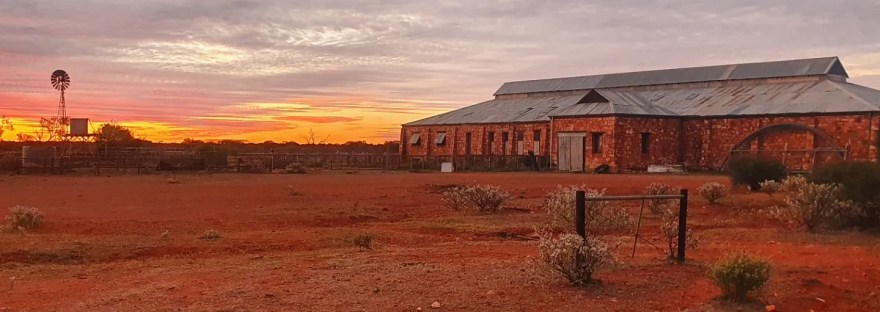
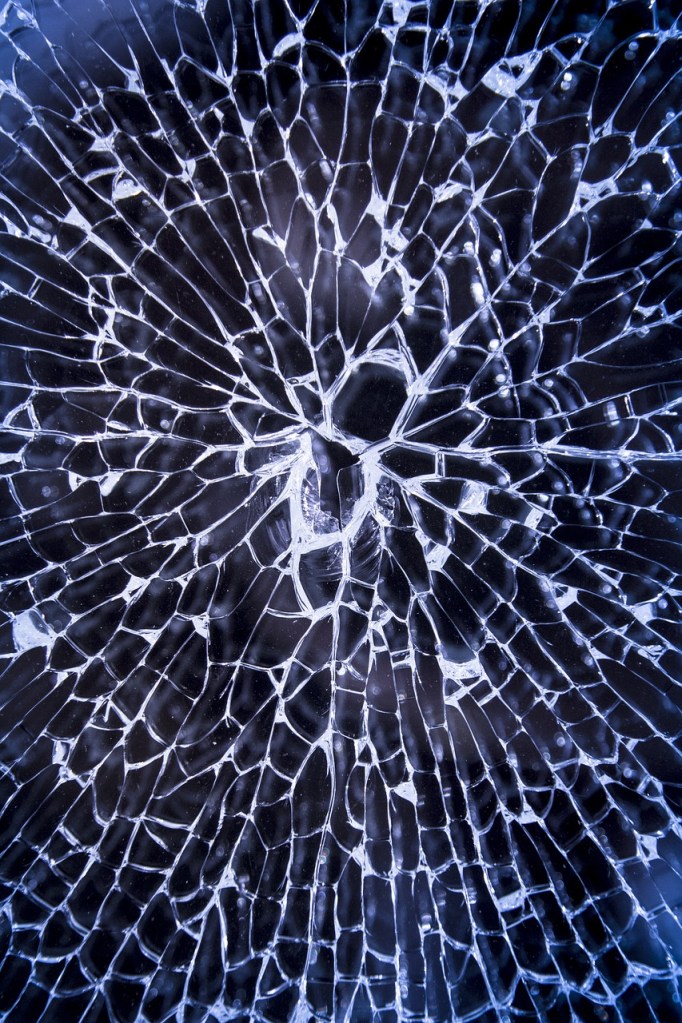
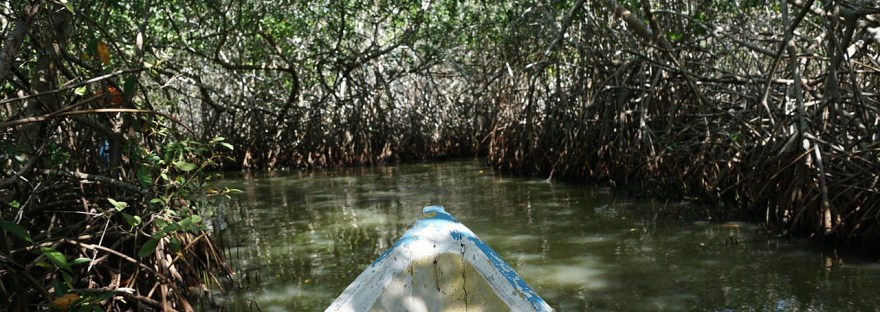
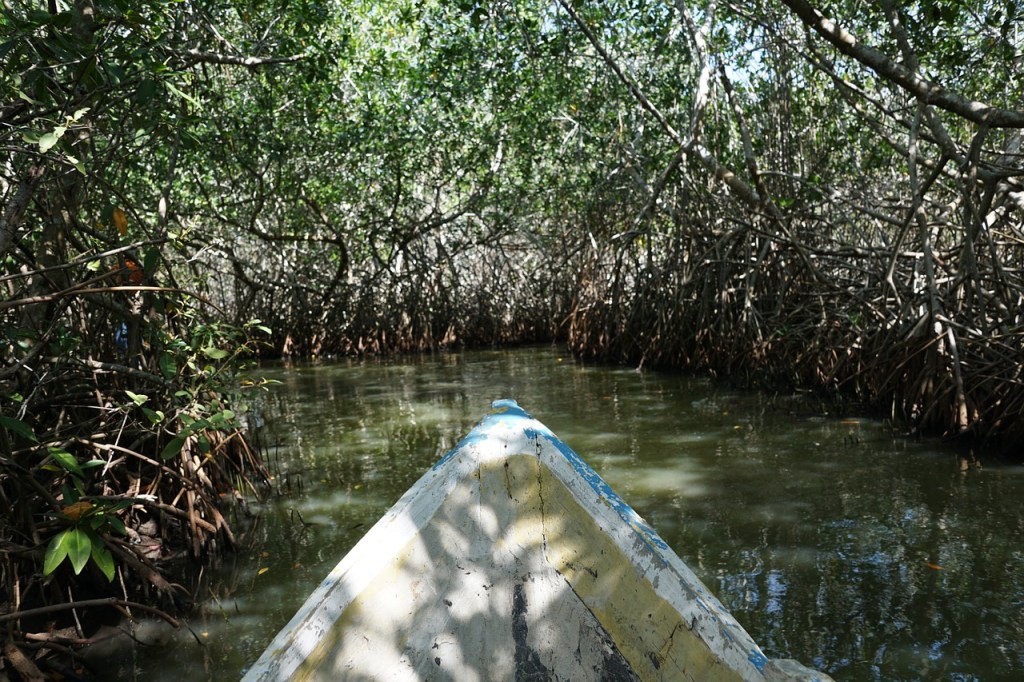


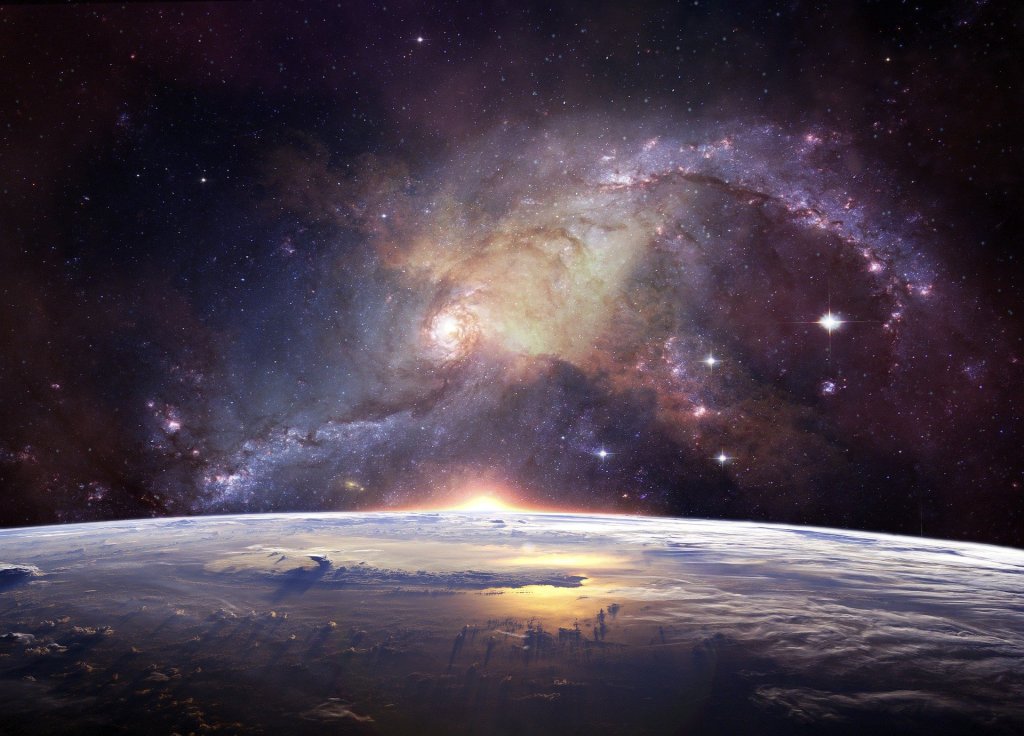
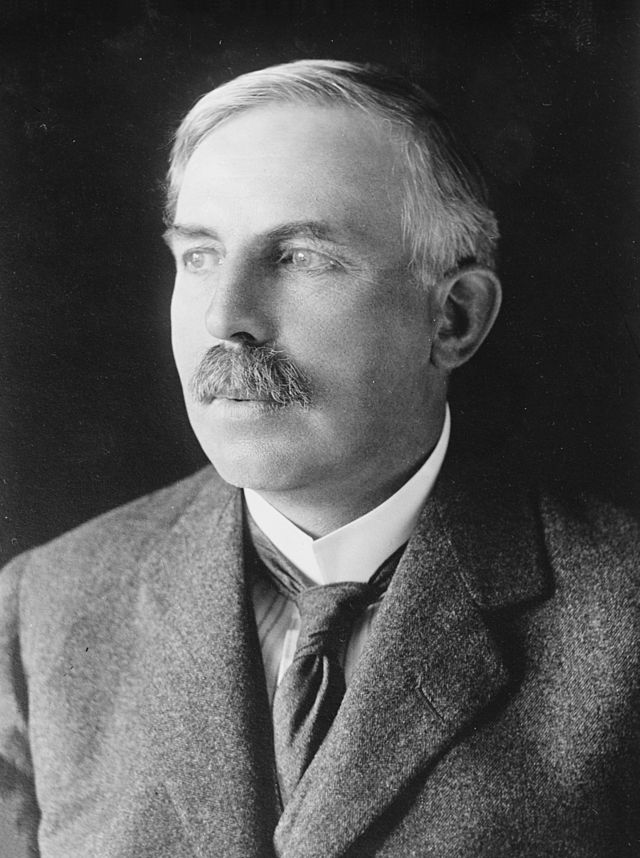
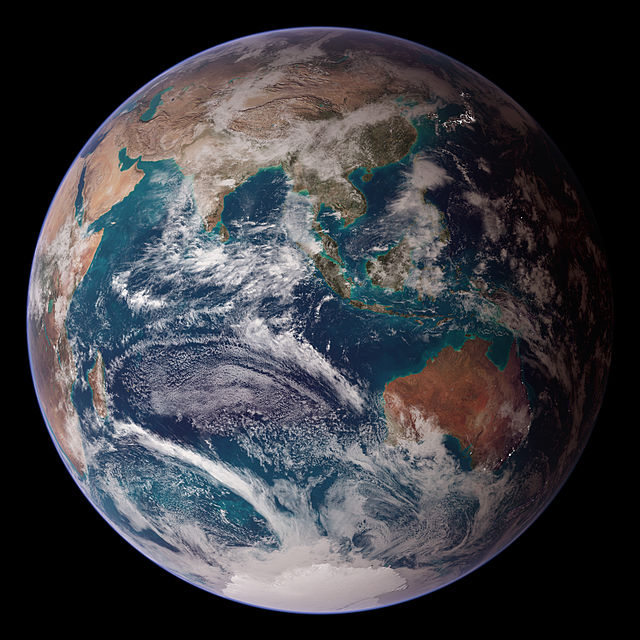



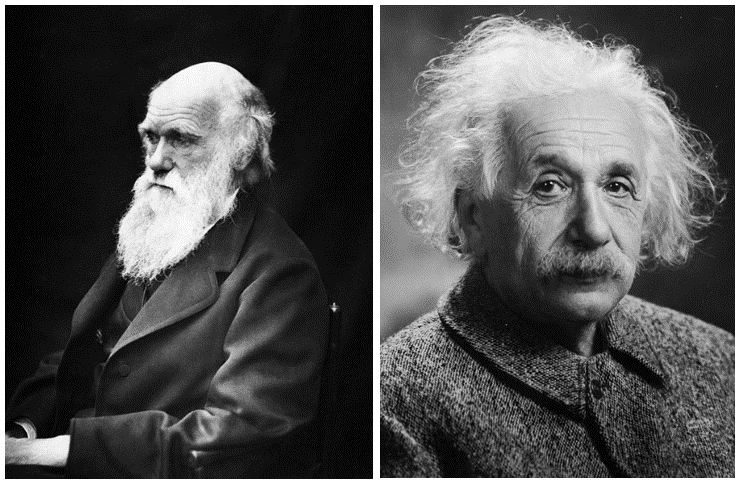

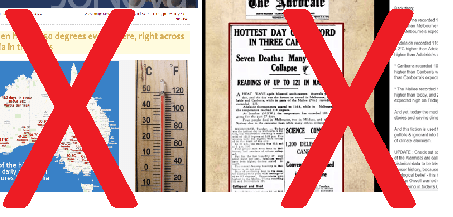
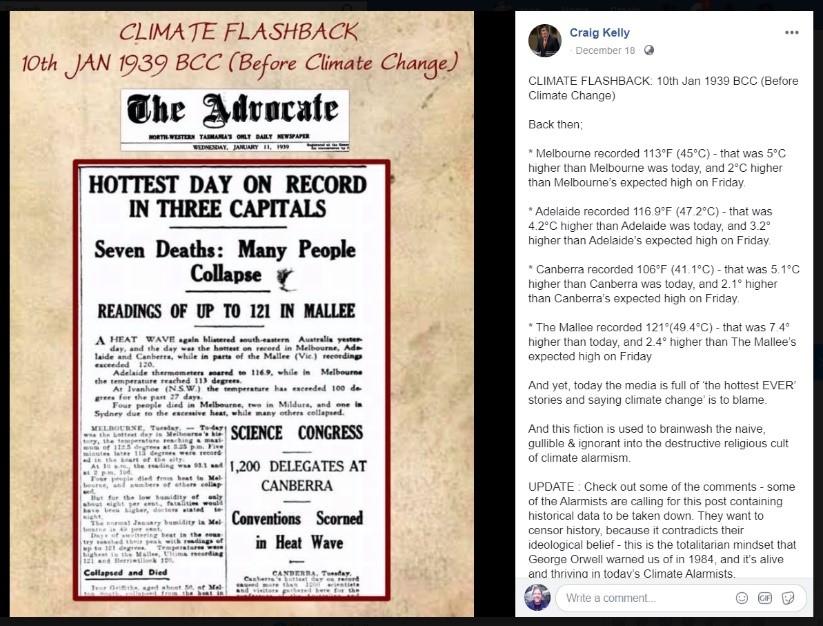
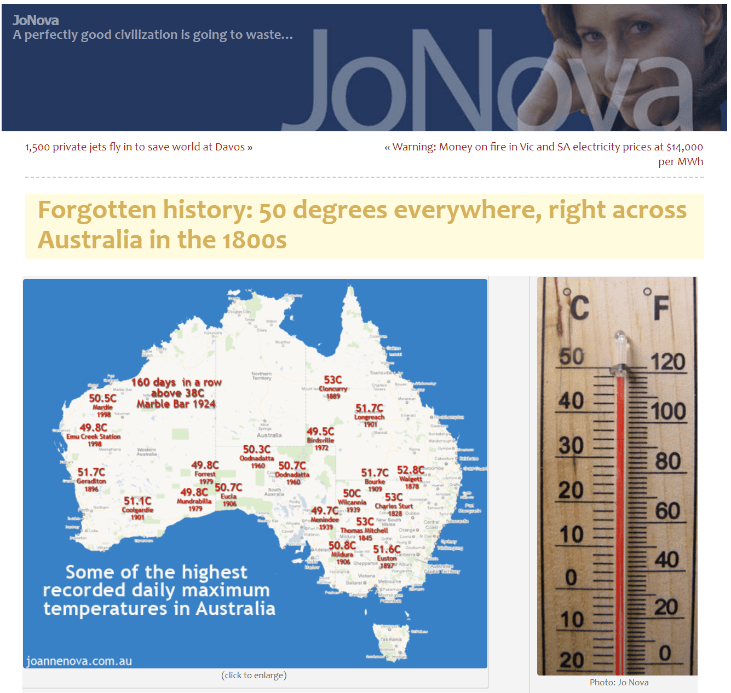
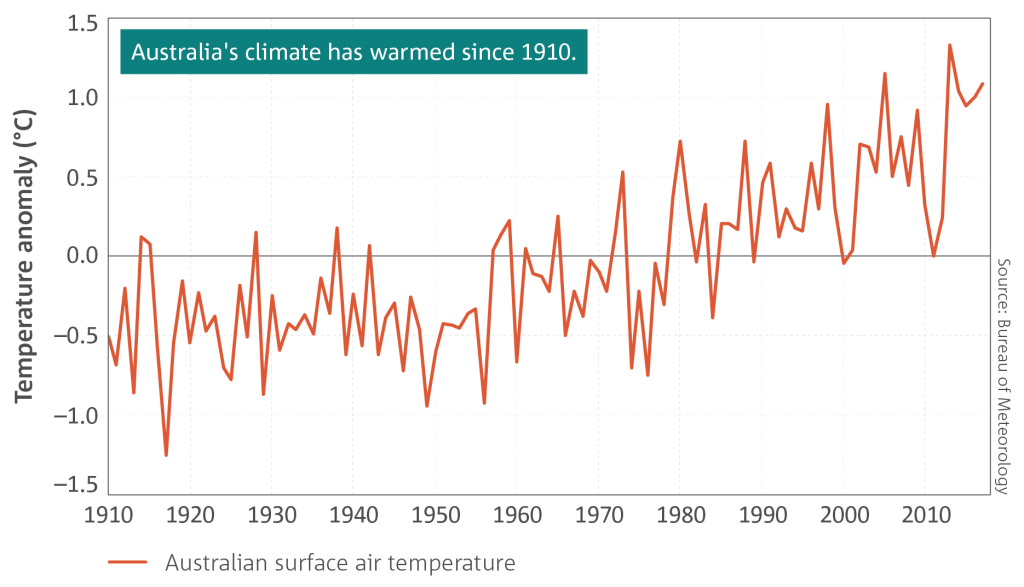

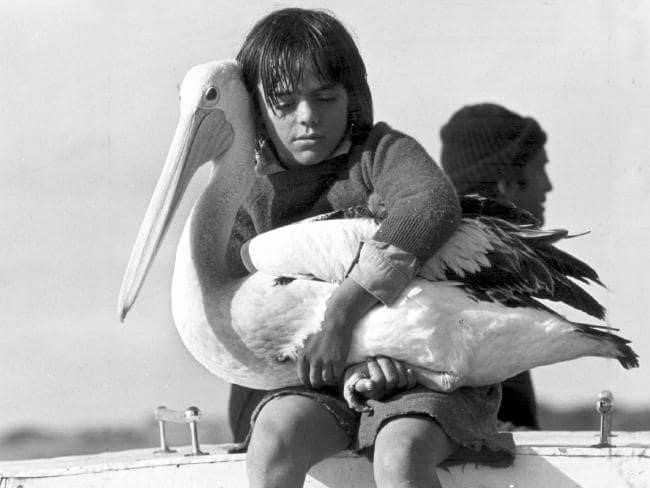
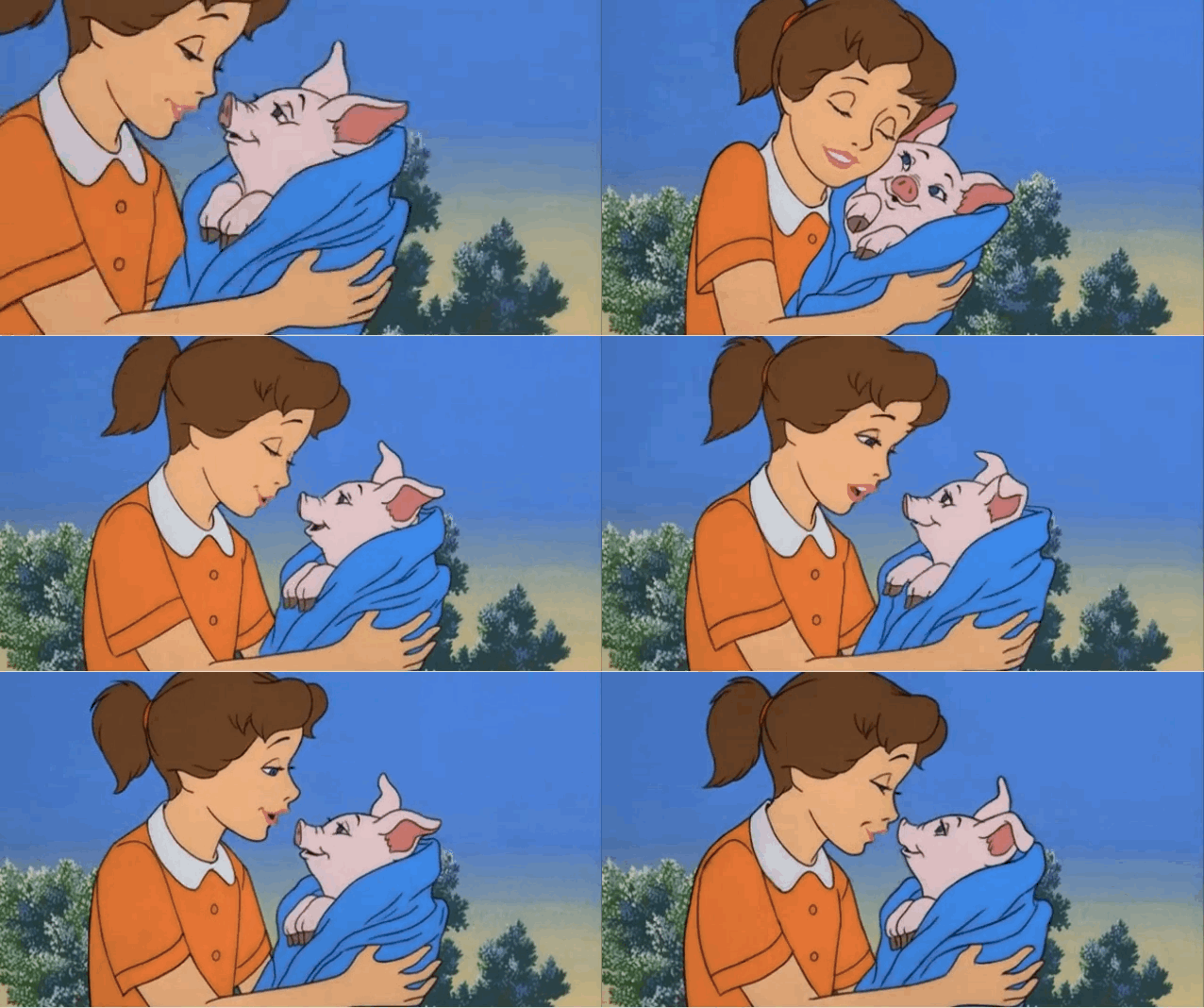
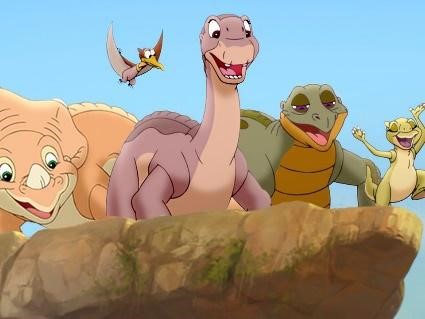

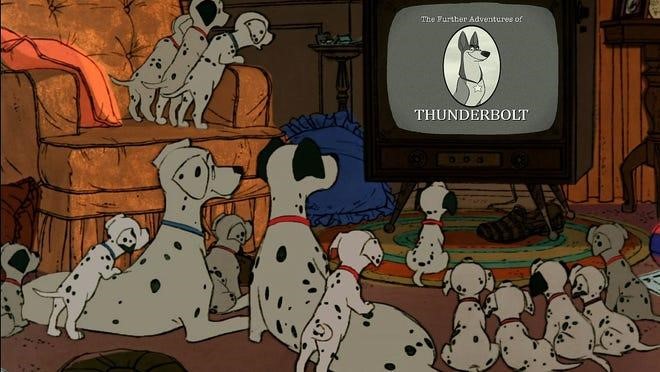


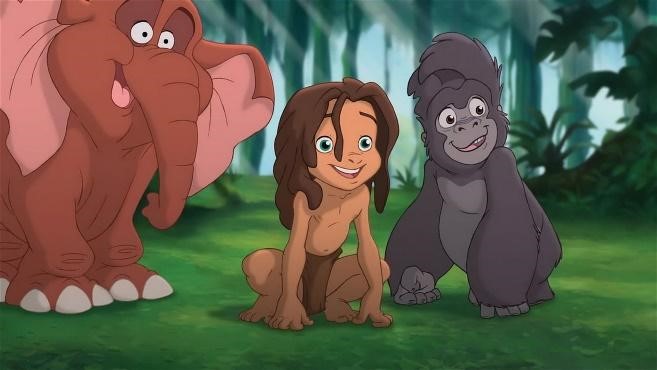

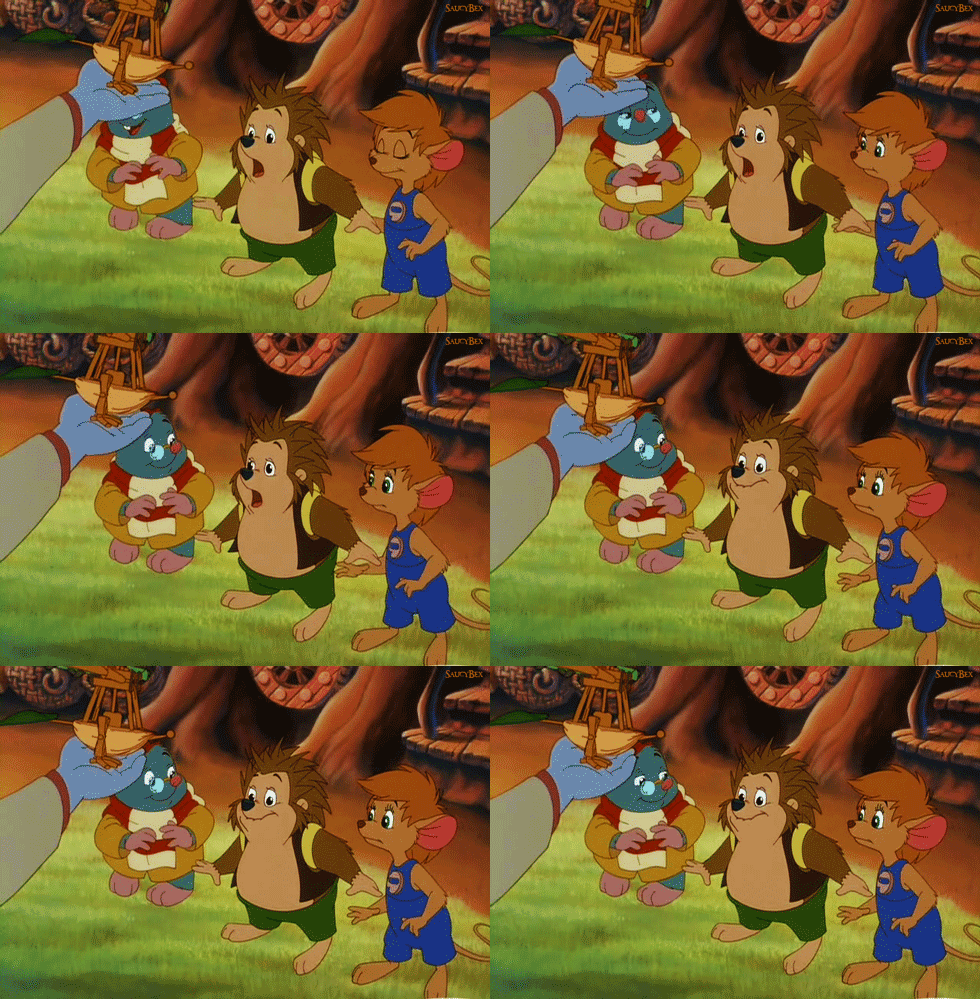
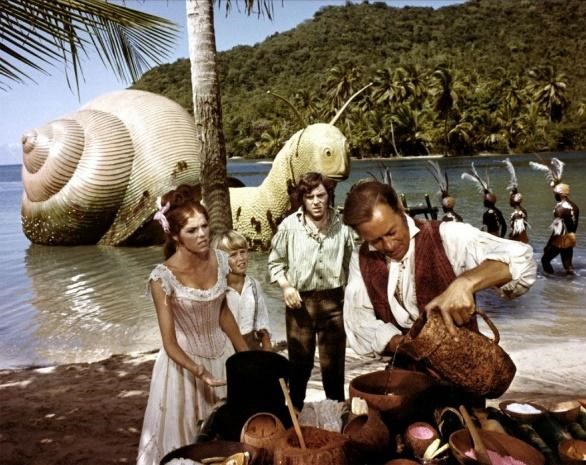
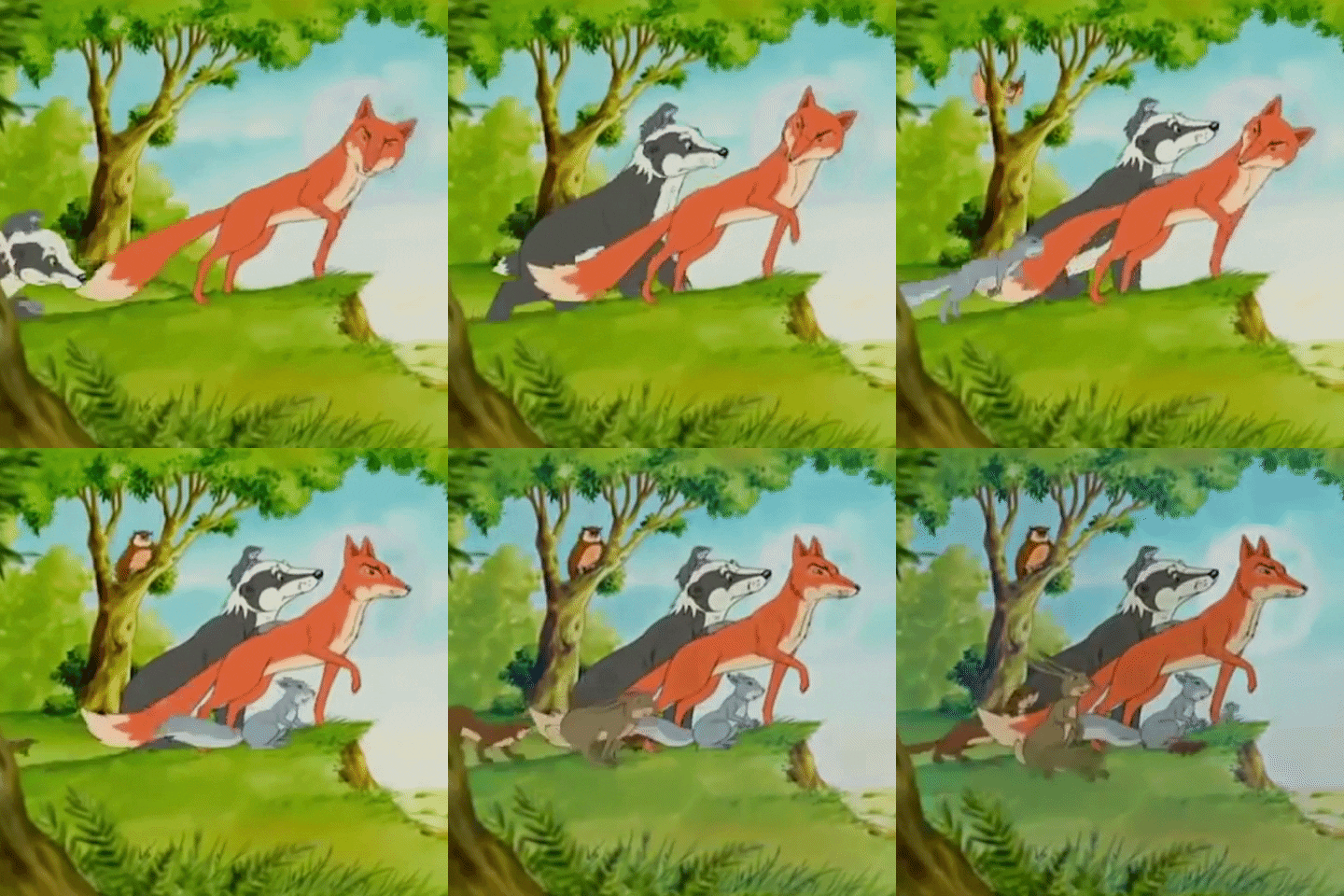

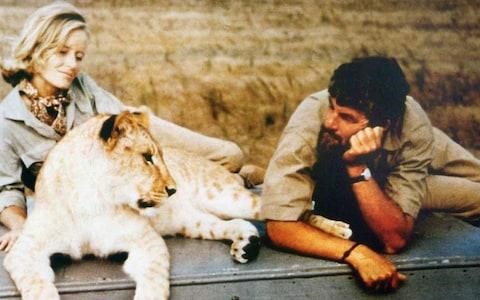

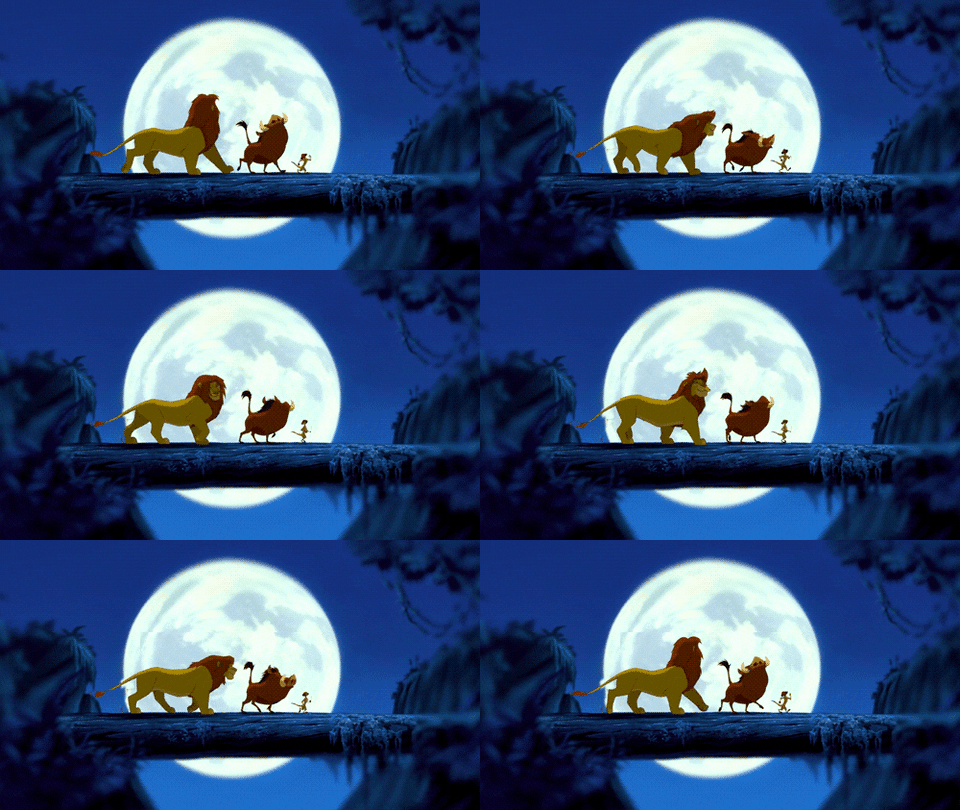

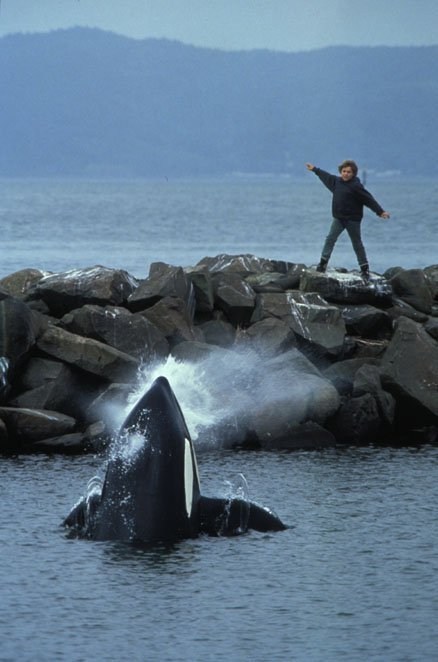
 W. A. Greenly.