A message from Mr. Greenly, science nerd, nature lover, writer, and aspiring teacher
🌿 Welcome to Critter Quest Education A message from me, Mr. Greenly
Hi there, and welcome to Critter Quest Education! If you’ve landed here, chances are you’re a teacher, educator, or maybe even a curious parent on the hunt for curriculum-aligned science content, engaging and ready to use in the classroom. You’re in the right place.
I’m Mr. Greenly, a scientist, writer, and aspiring educator who’s currently completing a Master of Teaching (Primary). I also hold a Bachelor of Science in Biodiversity & Conservation, and over the past few years, I’ve been steadily building this little corner of the internet: Mr. Greenly & Critter Quest Education. It’s now a home for Australian Curriculum-aligned science explainer videos and primary science teaching resources, created specifically for Foundation to Year 6 classrooms, relief teachers, and homeschoolers.
But before I talk more about the resources, let me tell you a little about how this all came to be.
Supporting Australian Primary Science Education with Engaging, Curriculum-Aligned Videos 🦎 From science to stories I’ve always been fascinated by the natural world, by frogs croaking at sunset, ants working together on the forest floor, and fossils whispering stories from millions of years ago. That love of nature led me to study Biodiversity & Conservation, where I deepened my understanding of the world’s ecosystems, species, and the fragile web that connects them all.
But I’m also a storyteller at heart. Somewhere between university assignments and fieldwork, I began writing a book, a fantasy adventure novel for pre-teens and early teens inspired by my love for adventure, science, and the magic of nature.
The book, titled Pho Fickler & The Last Archaeopteryx, follows a young boy who enrols in Fogbow’s School of Natural Processes, where science, nature, and ancient mysteries collide. Set in the fictional world of Aileron, the story explores environmental stewardship, scientific wonder, and the battle between knowledge and exploitation.
I’ve been working on this story since 2019, writing, re-writing, editing, and collaborating with a small group of brilliant beta readers. It’s still a work in progress that I’m aiming to launch soon, but it’s a huge part of the same mission that drives Critter Quest: to inspire younger generations to care about nature, ask big questions, and feel empowered to learn.
🚐 The road to teaching After finishing my science degree a few years back, I bought a bus and converted it into a motorhome. I hit the road with my dog Bruce and my bus, Nessie (short for Wildernessie) just over a year ago when the three of us set off on an eight-month journey, exploring the country, soaking in nature and, admittedly, feeling a little lost.
I loved the freedom—but unexpectedly, I also felt the absence of purpose.
It was during this time that I reflected on something I’d always wanted to do: teach. I’ve always admired the role teachers play in shaping not just knowledge but values, curiosity, and confidence in young minds. I knew I wanted to help kids connect with the world around them, especially the natural world, and to create learning experiences that felt joyful and accessible.
So, I enrolled in a Master of Teaching (Primary), and now I’m just a few weeks out from my first official placement. I’ve got butterflies the size of lorikeets but I’m also incredibly excited to learn, grow, and step into a classroom with real students for the first time.
While I don’t yet have formal classroom experience, I’ve spent plenty of time hanging out with my two young nieces (pre-school and Foundation years), asking bug-related questions, inventing backyard science experiments, and watching the wheels turn in their minds. That joy, the joy of sparking understanding, is what fuels everything I do here at Critter Quest and beyond.
🎥 Why I created Critter Quest Education Critter Quest Education was born from a simple but pressing question:
What if teachers had access to short, accurate, curriculum-linked science videos and teaching resources they could drop straight into a lesson, without hours of prep or worry about relevance?
Teachers are time-poor. Planning science lessons, especially ones tied directly to the Australian Curriculum v9.0, takes precious hours. And while there’s plenty of content online, much of it is too broad, too long, or just not quite aligned.
So I started creating Australian primary science explainer videos using AI tools alongside my own scripting, editing, and curriculum alignment. The result? A growing library of short, engaging videos tailored to specific content descriptions and achievement standards, covering topics from Biological Sciences to Earth & Space.
Every video is:
Aligned to F–6 Australian Curriculum
Kid-safe and classroom-friendly
Designed to support teacher planning, not replace it
Made with curiosity, clarity, and care
Agonised over by me for hours—upon hours!
🌱 What you’ll find here Whether you’re a classroom teacher, relief educator, or homeschooling parent, my goal is to make science feel less overwhelming and more exciting. You’ll find:
✨ Short science explainer videos, sorted by year level, and curriculum strand 📚 Free teaching resources (coming soon!) 🧠 Articles for educators, covering curriculum insights, environmental education, and teaching strategies (also coming soon!) 📖 Updates on my upcoming book, Pho Fickler & The Last Archaeopteryx
And all of it is infused with a warm, personal approach. I want you to feel welcome, heard, and supported. Like you’ve found a little ally in the sometimes chaotic world of planning science.
💬 Stay in touch If this sounds like the kind of space you’d like to come back to, I invite you to:
Subscribe to my email list (via the subscription bar below) so you’ll know when new videos and resources go live
Check out the YouTube channel to browse videos by year level
Follow along with the blog for insights, updates, and inspiration
Teaching is one of the most human, meaningful things we can do, and if I can help take even a sliver of weight off your shoulders with these videos and teaching resources, then Critter Quest Education is doing its job.
Coral reefs are dying — but most people don’t even know what coral is. That’s not your fault. Between the headlines, the heatwaves, and the heartache, it’s easy to feel overwhelmed or switch off entirely. But what if understanding these underwater cities could actually reconnect us — to nature, to awe, and to hope?
If you’ve ever marvelled at a reef from above, watched a David Attenborough doco on loop, or just want science made simple and wonder-filled — you’re in the right place.
Please, subscribe now and dive into a calmer, clearer climate conversation. No guilt trips. Just great stories, beautiful science, and practical ways to care.
If you don’t swim but adore marine life, allow me to be your guide to the vibrant world of coral reefs. Whether you paddle in rock pools or prefer to stay high and dry with a cuppa and a good David Attenborough doco, one thing’s for sure — the Kingdom of Corals is a realm like no other. Today, we’re diving into the underwater cities that never sleep. Strap in, because this isn’t just another fish tale — it’s a technicolour plunge into one of Earth’s most astonishing ecosystems.
What Is Coral, really? (Spoiler: It’s Alive!)
Coral might look like colourful rock candy glued to the seafloor, but surprise! It’s made of thousands of tiny animals called polyps. These little critters — no bigger than a grain of rice — are part jellyfish, part master mason.
Each polyp builds its own limestone cup (kind of like a snail with a love of architecture). Together, they form vast colonies that grow into coral reefs — the giant, bustling marine metropolises of the ocean.
Even more amazing? Coral polyps have a secret roommate: a type of algae called zooxanthellae. These microscopic plant-like buddies live inside the coral’s tissues, providing food through photosynthesis. It’s a perfect flatmate situation — the algae get a safe home, and the coral gets fed. In Ecology, this is called symbiosis, it’s a Win-win!
Well… Until the water heats up — but more on that in a tick.
Coral Reefs: The Cities That Never Sleep
Coral reefs are like underwater cities during a street festival — full of colour, movement, and life. Even though they cover less than 1% of the ocean floor, they support over 25% of all marine life. That’s a quarter of the ocean’s species sharing the reef real estate!
Fish in neon brights, camouflaged crustaceans, sea turtles, starfish, nudibranchs (Google those if you want to see some truly fabulous sea slugs), and even sharks — all rely on coral reefs to live, feed, and breed.
It’s no wonder coral reefs are called the rainforests of the sea. Except, well, with fewer leeches and a lot more fish that look like they’ve escaped from a tropical disco.
Why Should Humans Care?
When I snorkelled Lady Musgrave Reef, one of the pristine coral cays in the Southern Great Barrier Reef, I was absolutely mesmerised. The electric blue tangs darting between coral towers, the graceful sway of anemones, and curious turtles gliding past — it felt like I was floating inside a living kaleidoscope. It’s something I’ll never forget.
Aside from being jaw-droppingly beautiful, coral reefs are super handy for us land-dwellers too:
They’re nature’s coastal bodyguards, absorbing wave energy and reducing storm damage and erosion.
Over 500 million people depend on reefs for food, fishing income, and tourism.
Coral reefs are even pharmaceutical treasure troves, with scientists studying reef organisms to treat cancer, arthritis, bacterial infections, and more.
So next time you’re sipping a fruity drink on a tropical beach, spare a thought for the reef that’s keeping the waves at bay — and maybe even helping future you stay healthy.
Trouble in Paradise
Now, here’s where things get a little heavy. Like every great kingdom, the coral realm is under threat.
Climate Change and Coral Bleaching
Remember those algae roommates we mentioned? Coral needs them to survive. But when ocean temperatures rise, coral gets stressed and evicts the zooxanthellae. The result? Coral bleaching — the coral turns ghostly white and, without its algae, slowly starves.
It’s not just a fashion statement — it’s a warning sign. Prolonged bleaching can lead to widespread reef die-off.
Corals are being choked by plastic debris, which can block sunlight and leach toxins into the water. Even our sunscreens are part of the problem — many contain chemicals like oxybenzone that damage coral DNA.
Yep, your holiday SPF might be giving the reef a headache.
Overfishing
Every reef has its food chain, and overfishing throws it out of whack. For example, parrotfish (the guys who chomp on coral and poop out sand — you’re literally sunbaking on their handiwork) help keep algae from smothering the reef.
Remove too many of them and the algae builds up quickly, smothering the coral until it can’t breathe. Without grazers like parrotfish, the reef struggles to stay healthy.
But Don’t Panic — There’s Hope!
Now for the good news: we can all help keep the Kingdom of Corals alive and thriving. No flippers required!
Here’s what you can do:
Reduce your carbon footprint: Ride a bike, use public transport, eat less meat, and switch to renewables where you can.
Say no to single-use plastics: Bring your own bags, bottles and straws. Skip the cling wrap.
Choose sustainable seafood: Look for the Marine Stewardship Council (MSC) or similar certifications such as the Australian Sustainable Seafood Guide.
Use reef-safe sunscreen: Check labels for oxybenzone and octinoxate, and avoid them.
Support reef conservation: Donate to organisations or volunteer with marine projects.
Remember, even the smallest actions ripple out — just like waves on a healthy ocean.
Dive Deeper — Watch the Kingdom of Corals Come to Life!
Want to see the reefs in full technicolour? Check out my video “Kingdom of Corals” on Critter Quest Earth via the link below. My YouTube channel’s packed with adventure and the magic of nature! And, for more wild stories and science fun the whole family can enjoy, don’t forget to subscribe to my blog.
From the reef to the rainforest, we’re just getting started!
Please subscribe to receive my latest posts about nature & science straight to your email inbox. 🌏👩🏽🔬😀
The first time I saw a sugar glider leap through the trees, it didn’t feel real. One moment it was perched quietly on a branch — the next, it was sailing through the dusk like a tiny, furry kite. Australia’s marsupials aren’t just adorable. They’re evolutionary marvels.
But many of them are disappearing before most of us even learn their names.
If you’ve ever felt a quiet awe for the natural world — and a growing worry that we’re losing it — you’re not alone. This blog is for people who want to understand, not just scroll.
Please, subscribe now to discover Australia’s hidden wildlife stories and the science behind saving them.
G’day Nature Lovers!
Have you ever wondered what incredible creatures call Australia home? If you’ve ever found yourself asking, “What exactly is a marsupial?” or simply enjoy watching kangaroos bounce about like nature’s pogo sticks, you’re in for a treat.
Here in the land down under, we’re lucky enough to be surrounded by some of the most unique animals on the planet. From kangaroos and koalas to quolls and dunnarts (say that five times fast), Australia is a marsupial wonderland!
Squirrel Glider
What Makes a Marsupial, a Marsupial?
Let’s start with the basics. Marsupials are a special group of mammals known for one iconic feature: the pouch. That’s right — it’s not just for show. Mother marsupials carry and nurse their young in a pouch, giving their little joeys the best start in life. Unlike placental mammals, marsupial babies are born incredibly underdeveloped and must crawl into the pouch to continue growing.
So next time you see a joey’s head poking out of a kangaroo’s pouch, just know you’re witnessing one of nature’s most fascinating parenting techniques. It’s like a mobile nursery — talk about multitasking!
Our Hopping, Climbing, Burrowing Heroes
Now, let’s meet some of the stars of the marsupial kingdom:
Kangaroos are the high-jumpers of the animal world. With legs built for bouncing and tails made for balance, these iconic Aussies can leap over three metres in a single bound. That’s more than the height of your average front yard tree!
Koalas, our eucalyptus-munching tree-huggers, are nature’s sleepyheads. They spend up to 20 hours a day snoozing — and when they’re not napping, they’re munching on eucalyptus leaves, which are both their food and water source. Talk about low-maintenance!
Then we’ve got the Tasmanian devil, a loud little legend with a powerful bite and a critical role in keeping our forests clean by devouring carrion. And no, they don’t spin around in tornadoes (sorry, cartoon fans).
Sandhill Dunnart (Sminthopsis psammophila)” by Alinytjara Wilurara Landscape Board, via Landscape SA, licensed under CC BY 3.0 AU.
Spotted Quoll
Don’t forget about the smaller marsupials too! Dunnarts are tiny insectivores that hunt at night, and quolls are agile predators with a spotted coat and a keen nose. These lesser-known marsupials are just as marvellous — think of them as the indie rockstars of the marsupial scene.
Why Marsupials Matter
Marsupials aren’t just cute — they’re essential to Australia’s ecosystems. Each species plays a role in keeping the balance:
Wombats, and wallabies are nature’s landscapers, helping to spread seeds and aerate the soil.
Possums act as insect control and pollinators.
Carnivorous marsupials like Tasmanian devils are nature’s clean-up crew.
In a way, they’re like the behind-the-scenes crew of a wildlife production — you might not always notice them, but nothing would work quite right without them.
Southern Hairy-Nosed Wombat
Possum
Facing the Threats
Unfortunately, our marsupial mates are under threat. Habitat loss, introduced predators, climate change, and disease are putting many species at risk. From shrinking forests to deadly bushfires, their homes and food sources are disappearing.
The good news? There’s hope. Conservation efforts across Australia are working hard to protect marsupial habitats and educate communities. And that includes you! By learning, sharing, and supporting, you’re part of the solution.
So next time you see a kangaroo on a country drive or a possum in your backyard, give a little nod of respect. These incredible animals are part of Australia’s natural story — and they need all of us to help write the next chapter.
Let’s Keep the Curiosity Hopping!
Loved this quick marsupial deep-dive? Then you’re in the right place. Subscribe to my blog, W. A. Greenly, for more fun and family-friendly nature facts, Aussie wildlife wonders, and ways you can help protect the planet — one post at a time.
And don’t forget to hop over to my YouTube channel, Critter Quest Earth, where you’ll find vibrant, bite-sized videos packed with colour, fun, and science. The marsupial video this article is based on is only 1.5 minutes long — perfect for kids, classrooms, and anyone who loves a quick nature fix!
Together, we can spread the joy of Australia’s wild world, one joey, wombat and giggle at a time.
Thanks for stopping by! Until next time — stay curious, stay kind to nature, and keep adventuring with your eyes wide open. There’s a whole wild world out there waiting to be discovered.
– Mr Greenly
Please subscribe to receive my latest posts and videos all about nature & science straight to your email inbox. 🌏👩🏽🔬😀
Did you know fungi connect entire forests through a vast underground network — like nature’s very own internet? Most people don’t realise how crucial mycelium is to the health of our planet. But understanding this hidden world can change how we see ecosystems, climate resilience, and even ourselves.
If you want to uncover the fascinating science behind the “Wood Wide Web” and learn why fungi might hold keys to solving some of our biggest environmental challenges, you’re in the right place.
Please, take a second and subscribe now to join our community. You’ll recieve clear, evidence-based insights about fungi and how they impact climate and biodiversity straight to your inbox.
The Amazing World of Fungi and Mycelium: A Fun, Family-Friendly Dive Beneath Your Feet
What if we told you that right beneath your feet, a secret world was quietly working its magic? A world of colourful organisms, glowing mushrooms, and an underground internet made of living fibres. No, it’s not science fiction. It’s fungi – one of the planet’s most fascinating and unsung life forms.
Welcome to my blog, where I dig deep (sometimes literally) into the marvels of the natural world. Today, we’re diving head-first into the enchanting and often hilarious world of fungi. And yes, there will be mushroom puns. You’ve been warned.
What Are Fungi, really? (Hint: Not Just Mushrooms on Pizza)
If someone says “fungi” and your first thought is pizza toppings or the mouldy bread at the back of the pantry, you’re not alone – but you’re definitely missing out. Fungi are actually part of a completely separate kingdom of life, distinct from plants and animals. That’s right, these squishy wonders have their own corner in nature’s family tree.
From glowing bioluminescent mushrooms that light up forest floors like tiny lanterns to rainbow-hued caps in every shape imaginable, fungi are anything but boring. Some look like antlers, others like mini parasols, and a few could easily pass for something out of a science fiction flick. You’ll find them thriving in Tassie’s lush rainforests, dotting the red earth of the outback, and nestled in your local bushland.
And the next time you’re out on a family walk, challenge the kids to a fungi-spotting competition. You’ll be surprised how many are hiding in plain sight.
Mycelium: Nature’s Internet (And the Wood Wide Web)
Now, here’s where fungi take it to the next level. Beneath the soil, hidden from view, lies the mycelium – an underground network of fine, thread-like fibres connecting plants, trees, and fungi alike. Picture the internet, but biological and way more ancient.
This isn’t just some fancy fungal footpath. It’s nature’s ultimate communication system. Trees can send nutrients through the mycelium, warn each other of danger, and even support struggling neighbours. Scientists have dubbed it the Wood Wide Web, and we’re not even joking – it’s that clever.
Imagine eavesdropping on a chat between two trees: “Oi, mate, aphids again.” “No worries, here’s some extra sugar – hang in there.”
Okay, maybe it’s not quite like that. But the truth is just as incredible.
Fungi: The Quiet Superheroes of the Ecosystem
While they might not fly or wear capes, fungi are genuine ecological heroes! These decomposers work tirelessly to break down dead plants, logs, and leaf litter. Without fungi, we’d be knee-deep in forest gunk and debris – basically, Mother Nature’s dirty laundry pile.
By recycling organic matter into rich, nutritious soil, fungi keep ecosystems balanced and thriving. That soil feeds plants, plants feed animals, and well… you get the idea. It’s all connected, thanks in no small part to these humble heroes beneath the surface.
Next time you’re in the garden or out bushwalking, take a moment to think: is that little mushroom the reason this whole patch of green is alive and well? Probably.
The Threats Facing Our Fungal Friends
Sadly, not all is spore-capped sunshine in the world of fungi. Like many parts of our natural environment, fungi are under threat from habitat destruction, pollution, and climate change.
When the forests go, the fungi go with them. And when fungi disappear, the entire ecosystem starts to unravel – kind of like yanking out the wrong Lego piece from a delicate tower.
It’s easy to forget about the little guys underfoot, but they’re absolutely essential. That’s why conservation efforts are starting to pay more attention to fungi, and why we should all do the same. Protect the habitat, and you protect the web.
Before We View the Video, Let’s Recap – and Let’s Get Out There!
So, to recap for all the kids (and grown-up kids) at home:
Fungi are their own kingdom, not just plants in disguise.
Mycelium is the forest’s underground internet, helping plants and trees stay in touch.
Fungi break down dead stuff and keep ecosystems running like clockwork.
They’re threatened by human activity and need our help.
Also, glowing mushrooms are real. You’re welcome.
If that’s not worth getting excited about, we don’t know what is.
So, pop on your hiking boots, pack a snack, and head into the wild. Whether you’re in the Dandenong Ranges, Kakadu, or your own backyard, you might just stumble across a mushroom that’s more important than it looks.
Remember, don’t pick or poke – fungi are fragile, and many are protected. Take photos, admire their colours, and maybe even name them something silly like “Sir Spore-a-lot”.
Join the Wild Side!
Loved learning about fungi? Want to give nature a helping hand? Too Easy!
Subscribe to Mr. Greenly’s Blog to get fun, family-friendly nature facts delivered straight to you. Share it with your mates, your nan, your teacher — anyone who loves our wild world.
Join the Critter Quest Earth crew on YouTube for more weird, wonderful wildlife and cheeky eco-adventures. It’s fun, educational, and perfect for curious minds of all ages.
So go on — subscribe, share, and explore! And remember, there’s always mush-more-room for discovery.
Please subscribe to receive my latest posts and videos all about nature & science straight to your email inbox. 🌏👩🏽🔬😀
South Australia’s coastline is changing faster than ever — and it’s not just the tides causing concern. If you’ve noticed shifting shorelines, declining wildlife, or worrying news about our oceans, you’re not imagining it. The reality is harsher than many realise, and the time to understand what’s happening is now.
Feeling overwhelmed or unsure about what this means for our environment and communities? You are not alone. Every week, thousands of readers turn to this blog for clear, science-backed explanations that cut through the noise and help you make sense of these urgent changes.
So please, take a second and subscribe below to join a community committed to learning, sharing, and protecting our coastlines and all things nature!
Recently, My Local Coastline in South Australia Has Been Overcome by an Algal Bloom.
In the past few weeks, the usually pristine beaches of South Australia have taken on an eerie new look. Locals walking along the coastlines from Port Noarlunga to the Yorke Peninsula have been greeted not by crashing waves or curious dolphins, but by the grim sight of dead fish scattered along the sand. Reports have included mass deaths of sardines, snapper, and mulloway—species critical to local ecosystems and fisheries alike. The cause? A large-scale algal bloom that’s spread rapidly through Gulf St Vincent and adjacent waters.
This isn’t just a freak occurrence. Scientists and marine authorities have confirmed that the deaths are linked to a sudden explosion of microscopic algae in coastal waters, triggered by a mix of environmental conditions. These so-called algal blooms might sound harmless—just some greenish water, right? But in reality, they can suffocate marine life, poison ecosystems, and devastate economies that rely on fishing and tourism.
So what exactly are algal blooms, and why are they happening now?
The Wonders and Woes of Algae
Algae are often misunderstood. Though not plants, animals, or fungi, they’re foundational to life on Earth. Ranging from single-celled phytoplankton to massive seaweeds like kelp, algae contribute up to 80% of the planet’s oxygen and are central to aquatic food webs (Field et al., 1998). Without them, the oceans—and life as we know it—would cease to function.
But like many things in nature, balance is key. When that balance tips, algae can go from life-givers to ecosystem killers.
The Emergence of Algal Blooms: Causes and Consequences
What Triggers an Algal Bloom?
An algal bloom occurs when environmental conditions allow algae to grow out of control. The main culprit? Nutrient overload—particularly nitrogen and phosphorus—usually from sources like:
Agricultural runoff
Urban wastewater
Industrial discharge
Flood-related land drainage
This process, known as eutrophication, fuels algae like fertiliser fuels weeds. Once the bloom reaches its peak, it often leads to massive die-offs of the very algae that caused it. As these organisms decay, bacteria consume oxygen in the water—leading to hypoxia, or dangerously low oxygen levels (Diaz & Rosenberg, 2008). Marine life either suffocates or flees.
Fish Kills, Toxins, and Rising Temperatures
What’s happening along South Australia’s coast is a textbook case of hypoxia. As the bloom suffocated waters, thousands of fish lost their oxygen supply. This has been compounded by reports of Karenia brevis-like species and other dinoflagellates—algae known to produce powerful toxins—spiking in the region (Hallegraeff, 2003).
Adding fuel to the fire, South Australia has also recently experienced a marine heatwave, with sea surface temperatures significantly above average. These warmer waters have created ideal conditions for algal growth by accelerating photosynthetic activity and extending the lifespan of blooms (Oliver et al., 2018). Marine heatwaves can also reduce ocean mixing, leading to more stable, stratified layers in the water column—conditions that further encourage harmful blooms to thrive (Smale et al., 2019).
Some algal blooms release neurotoxins that bioaccumulate in shellfish and small fish, posing a danger not just to marine life, but also to humans through seafood consumption. These harmful algal blooms (HABs) have led to shellfish harvest closures and health warnings in multiple Australian states in past years.
Why Now? Climate, Floods, and Human Influence
South Australia’s recent bloom didn’t happen in isolation. Several natural and unnatural factors have come together to create a perfect storm:
Cool water upwelling off the coast brought nutrient-rich waters to the surface, a natural driver of algal productivity.
Stagnant, low-circulation conditions in enclosed gulfs like Spencer Gulf and Gulf St Vincent allowed algae to accumulate.
Recent flood events flushed excess nutrients—like nitrogen and phosphorus—into marine environments from far inland (Drewry et al., 2006).
Rising ocean temperatures, driven in part by a regional marine heatwave, increased stratification and favoured algae dominance over other marine planktonic organisms (Oliver et al., 2018; Smale et al., 2019).
Climate change continues to intensify these conditions, creating a feedback loop where blooms become more frequent, persistent, and damaging (Paerl & Huisman, 2008).
What we’re witnessing is not just a natural occurrence—it’s an ecological event supercharged by human activity and warming seas.
So What Can We Do About It?
1. Reduce Nutrient Pollution
Cutting down fertiliser runoff, improving wastewater treatment, and implementing buffer zones along rivers and coasts are critical steps. We need to address the source, not just the symptoms.
2. Improve Monitoring
Real-time satellite data and water quality testing can help forecast and manage blooms before they cause mass die-offs. Citizen science efforts can also play a key role in early warning systems.
3. Restore Natural Defences
Wetlands and seagrass beds naturally absorb and filter nutrients. Protecting and restoring these habitats can provide long-term buffers against algal overgrowth.
Conclusion: What’s Happened in South Australia?
In short, a toxic cocktail of natural conditions—like upwelling, stagnant currents, and warmer-than-usual ocean temperatures due to a marine heatwave—combined with human-caused impacts—nutrient runoff from floods, climate change, and coastal development—has led to the algal bloom blanketing our coastline.
This event is a stark reminder of the fragile balance within our marine ecosystems. While algae are fundamental to life on Earth, when the balance tips, they can just as easily bring death to the waters they once sustained.
Moving forward, we must take a proactive, science-backed approach to managing water quality, climate impacts, and ocean warming—not just for South Australia, but for coastlines around the globe.
Thanks again for reading — this article’s a labour of love. If you care about nature and want more people to see science-based stories like this, please take a few seconds to subscribe, like, or share. It’ll help the world more than you think — and it means the world to me too.
When you’re done subscribing and sharing, check out the video below!
References
Diaz, R. J., and R. Rosenberg. 2008. “Spreading Dead Zones and Consequences for Marine Ecosystems.” Science 321 (5891): 926–929. https://doi.org/10.1126/science.1156401
Drewry, J. J., Newham, L. T. H., and Greene, R. S. B. 2006. “A Review of Nitrogen and Phosphorus Export to Waterways: Context for Catchment Modelling.” Marine and Freshwater Research 57 (8): 757–774. https://doi.org/10.1071/MF05166
Field, C. B., Behrenfeld, M. J., Randerson, J. T., and Falkowski, P. 1998. “Primary Production of the Biosphere: Integrating Terrestrial and Oceanic Components.” Science 281 (5374): 237–240. https://doi.org/10.1126/science.281.5374.237
Hallegraeff, G. M. 2003. “Harmful Algal Blooms: A Global Overview.” In Manual on Harmful Marine Microalgae, edited by G. M. Hallegraeff, D. M. Anderson, and A. D. Cembella. UNESCO.
Oliver, E. C. J., Donat, M. G., Burrows, M. T., Moore, P. J., Smale, D. A., Alexander, L. V., Benthuysen, J. A., et al. 2018. “Longer and More Frequent Marine Heatwaves over the Past Century.” Nature Communications 9: 1324. https://doi.org/10.1038/s41467-018-03732-9
Smale, D. A., Wernberg, T., Oliver, E. C. J., Thomsen, M. S., Harvey, B. P., Straub, S. C., Burrows, M. T., et al. 2019. “Marine Heatwaves Threaten Global Biodiversity and the Provision of Ecosystem Services.” Nature Climate Change 9: 306–312. https://doi.org/10.1038/s41558-019-0412-1
What if you could explain one of nature’s most mind-blowing transformations — from egg to caterpillar to butterfly — in a way that sparks curiosity in kids and adults alike?
This post dives into the science and wonder of metamorphosis, breaking it down in clear, engaging terms you can actually use. Whether you’re an educator, parent, or just someone who never stopped being fascinated by nature, you’re in the right place.
Please, subscribe now to join our community and get more bite-sized, science-backed nature content that makes learning feel like discovery — not homework.
From Egg to Airborne Wonder: The Magical Metamorphosis of a Butterfly
Ever found yourself staring at a fluttering butterfly and wondering how such delicate beauty ever came to be? What begins as a tiny egg barely visible to the naked eye somehow becomes one of nature’s most enchanting creatures. It’s a process filled with mystery, transformation, and sheer biological brilliance — welcome to the spellbinding journey of metamorphosis.
This is Eco Quest Earth, and here we celebrate the spectacular in the everyday wild. If you’re as captivated by the natural world as we are, don’t forget to subscribe — and now, let’s dive into one of nature’s greatest makeovers.
It all starts with an egg
The story of a butterfly begins humbly — with an egg no bigger than a pinhead. These miniature marvels are laid with care on the underside of leaves, usually by a female butterfly who has chosen the perfect plant to support her offspring’s growth. Often, these are host plants that caterpillars feed on once hatched. Though small and unassuming, each egg is packed with potential, the very first stage of a journey that will defy belief.
The Voracious Caterpillar
Not long after, the egg hatches, and out wiggles a caterpillar — tiny, wriggly, and absolutely ravenous. And this little creature has one job: eat.
With an appetite that would put a teenage boy to shame, the caterpillar begins its feeding frenzy, devouring leaf after leaf. Its rapid growth is nothing short of astonishing. To accommodate its ballooning size, it sheds its skin — not once, but multiple times.
Did you know? Some caterpillars can increase their body mass by up to 1000 times during this stage. That’s like a newborn baby growing into the size of a humpback whale in a few weeks!
This intense growth prepares it for the most mysterious stage yet.
The Chrysalis: Nature’s Transformation Chamber
At a certain point, the caterpillar stops eating, attaches itself to a safe spot (often hanging from a branch or the underside of a leaf), and begins to form a protective casing around its body — the chrysalis, also known as the pupa.
This is the quiet stage, but don’t be fooled. Inside that casing, a biological miracle is unfolding. The caterpillar literally breaks itself down at a cellular level. Its tissues are restructured, reshaped, and rebuilt. Eyes, wings, antennae — all emerge from what seems like total dissolution. It’s one of nature’s most dramatic transformations, and we still don’t fully understand every detail of how it happens.
The Grand Reveal: A Butterfly is Born
After days or even weeks inside the chrysalis (depending on the species and environmental conditions), something begins to stir. The chrysalis darkens, and the once-hidden butterfly pushes its way out, crumpled and wet but unmistakably elegant.
Its wings are soft and folded at first, but within hours, they expand and dry, growing stronger and more colourful by the minute. And then — with one final push — the butterfly takes flight.
It’s a sight to behold: a once-grounded caterpillar now dancing through the air with grace and purpose.
More Than Just a Pretty Face
Beyond their beauty, butterflies play a vital role in our ecosystems. As pollinators, they help flowers reproduce, support food crops, and sustain biodiversity. They are quiet workers behind the scenes, ensuring our gardens bloom and our planet thrives.
But their existence is under threat. Habitat loss, climate change and pesticide use are pushing many butterfly species to the brink. In Australia and around the world, butterfly populations are declining at alarming rates — a loss that would ripple through ecosystems far and wide.
How You Can Help
The good news? Every backyard can be a sanctuary. By planting native flowers and avoiding chemical pesticides, you create a haven for butterflies and other pollinators. Small changes can have a big impact — and the flutter of wings in your garden might just be the thank you nature sends back.
Love learning about the hidden wonders of nature? Subscribe to our blog, and join us as we explore more magical moments from the natural world, all in bite-sized bursts.
Because nature never takes a break — and neither do we.
When you’re done subscribing and sharing, check out the video below!
Australia’s top predator is fighting for its identity, and its survival.
Are dingoes native wildlife or wild dogs? The answer matters more than you might think. As you’re about to learn, from shaping ecosystems to controlling invasive species, the dingo plays a critical role in Australia’s environmental balance. Yet, the debate rages on.
If you care about evidence-based conservation, ecological truth, and the survival of native species, you’re in the right place, because so do I.
Before reading on, please take a second and subscribe to get clear, grounded, and timely articles that cut through confusion and help you stay informed.
Above: An Australian dingo on the move, 10 km north of The Dingo Fence, South Australia. (Source: Photograph taken by Jack Bilby, 03/04/2023).
I first became interested in dingoes while travelling from Adelaide to Perth via the Nullarbor in my mid-twenties. At first, it was the roadside signs I drove past stating 1080 baiting in this area which stirred my curiosity but after a bit more research it was the reports and the horrific stories of the 1080 (ten-eighty) baiting’s effects on dingoes (and the occasional traveller’s unlucky canine companion) that grasped my attention. Since then, it’s become apparent to me that the dingo debate is a long and ongoing one across all states and territories of Australia.
Throughout my time at university, the debates surrounding dingoes, their threats, and their ecological significance were always an engaging group discussion. I also regularly see the topic on the news, my Facebook feed and dingoes have even been the expert topic selected by a few contestants on ABC’s The Hard Quiz (which I watch regularly). It seems there’s no doubt about the dingo’s importance to the people of Australia, no matter what side of the dog fence you sit on (pun intended).
More recently, while working on remote properties in Western Australia I had the unfortunate experience of witnessing dingoes trapped in leg traps which were either set with incorrect amounts of strychnine, or with the strychnine in the wrong place meaning the trapped dingoes would have suffered the effects of dehydration for days before the relief of death had we not come across them. I witnessed this first-hand on several occasions and trust me, for anyone with half a conscience it’s a heartbreaking experience. However, what’s equally alarming is often what I see and hear on the topic of dingoes are common misconceptions or just plain myths. For this reason, I’ve taken the time to compile a list of common questions I hear and answered them with facts, not fiction, for both my understanding and yours. I hope this is a useful resource that sparks your interest or just answers some questions you may have. As always, I’d love to know your thoughts or personal experiences on the subject too, so please don’t hesitate to leave a comment at the end.
What’s the difference between a pure dingo and a wild dog?
Dingoes migrated to Australia at least three thousand years ago(1). Due to long-term geographical isolation (allopatric separation), dingoes are now considered genetically, phenotypically, ecologically and behaviourally distinct from other Canis species and are unique to Australia(2,3).
On the other hand, wild dogs are individuals from breeds of domesticated dog (the result of selective breeding by humans) that have strayed from, or been dumped by humans.
How do you identify a pure dingo?
A pure dingo is any dingo that is not hybridised with any wild, domestic or hybrid dog. A pure dingo is usually only identifiable by skull measurements and/or DNA sampling to determine their genetic makeup(4,5). Importantly, contrary to previous beliefs, pelage (fur colour/growth style) has proven to be an unreliable characteristic and should not be used to differentiate dingoes from wild dogs(6).
Above: ‘Dog of New South Wales’.
(Source: Mazell, P. and Phillip, A., 1789. Dog of New South Wales. The voyage of Governor Phillip to Botany Bay with an account of the establishment of the colonies of Port Jackson and Norfolk Island, J. Stockdale, London. Available from: http://gutenberg.net.au/ebooks/e00101.html#phillip-46(accessed: 05 August 2024).
Are there any pure dingoes left?
While it is widely understood that hybridisation threatens the conservation of pure dingo lineage, it is certainly not true to say there aren’t any pure dingoes left.
A study conducted in 2021 sampled the DNA of 5,039 wild canids providing strong evidence that pure dingoes are not just extant (not extinct), but still dominate Australian ecosystems in comparison to wild dogs. Out of the 5,039 dogs sampled, only 31 feral dogs were detected and a further 27 individuals were found to be first-generation dingo x dog hybrids(7).
More recently, a study by Cairns et al. (2023)(29), which utilised more extensive DNA testing procedures (on 402 dingoes from a broad geographical range across Australia), ancestry modelling and biogeographic analyses allowed researchers to identify two key findings:
At least four genetically distinct dingo populations (and one captive dingo population) exist in Australia.
The presence of dog ancestry in wild dingoes is much less common than previously hypothesised in studies that used less extensive DNA testing procedures.
These studies along with others which have sampled dingo DNA, strongly reject both common misconceptions that dingoes are extinct in the wild and that feral dogs are abundant throughout Australia(7,29). In fact, the sheer rarity of hybrids witnessed in these studies adds support to claims dingoes rarely breed with domestic/wild dogs and in any rare case where they do, the resulting hybrids have little chance of survival in the wild(7,29).
What is the dingo’s scientific name?
Over many years of healthy, scientific debate on the subject of dingo taxonomy and nomenclature, the dingo has been called a variety of scientific names; Canis lupus dingo (classifying it as a subspecies of wolf), Canis familiaris (classifying it as a breed of domestic dog), and Canis dingo (classifying it as a unique species in the genus, Canis), as well as other combinations such as Canis familiaris dingo and Canis lupus familiaris(8). This debate is ongoing and is likely to continue as the answer appears different depending on which species concept (the method used for defining a species) is employed(9).
Above: The Warrigal (old dingo) and the Mundurra (hunter) stalking the bunderra (black wallaby)
Yes. Historical sources and Indigenous oral traditions teach us that Aboriginal Australians caught and reared the pups of dingoes as pets(10). The evidence available shows that Aboriginal Australians formed close bonds with dingoes through an active socialisation process from an early age(10). These dingo-human relationships were maintained through time by the passing down of oral lessons teaching children about the dangers of wild and unfamiliar dingoes while also communicating the importance of treating the animals with respect(10). To this day the Australian dingo is not only an Australian icon, but also maintains its long-standing position in First Nation’s culture and daily life as a hunting companion, family member and protector(11).
Are dingoes important to Australian ecosystems?
Yes.
A large body of research now recognises that through direct predator/prey relationships and indirect processes known as trophic cascades, Australia’s apex predator, the dingo, plays a pivotal role in the management of Australia’s biodiversity and ecosystems(12,13,14,15,16).
Feral herbivores such as goats, pigs and rabbits and native mammals including kangaroos, wallabies and wombats as well as birds, lizards and in some places even fish (like on K’gari – Frazer Island) and water buffalo (in Northern Territory) are all the direct prey of dingoes(15). By hunting and reducing the numbers of these animals, the dingo has a direct effect on the populations and survival of such prey animals(13,14,15,16). At the same time, by regulating numbers of native and feral herbivorous animals, dingoes also have an indirect effect on the abundance and diversity of vegetation across Australia(13,14,15,16). In fact, the sheer presence of dingoes has been shown to ward off introduced mesopredators (mid-ranking predators) such as the red fox Vulpes vulpes, or the cat Felix catus(13,14,15,16). This means just by being present in the environment, dingoes directly reduce mesopredator numbers, thus indirectly increasing herbivore numbers and indirectly altering grazing affects on vegetation communities(13,14,15,16).
It is also evident that where dingo numbers have been lost or significantly reduced, cascading losses in various small to medium-sized native mammals, the explosion of herbivore populations resulting in the exhaustion of plant biomass, and the increase of predation rates on native species by red foxes, has increased(14). Studies show that across all scenarios, the predation and presence of dingoes aids the balance of ecosystems and the survival of Australian native plant and animal species(13,14,15,16).
Are dingo numbers declining and what threats do dingoes face?
Australia’s dingo populations are decreasing(17). These are the dingo’s most significant threats:
Habitat loss: Similar to many Australian species, habitat loss is a major and increasing threat to dingoes(18).
Hybridisation: The hybridisation of the pure dingo with wild, domestic and hybrid dogs is an increasing threat to Australia’s unique dingo lineage(18).
Pest status: Whether the dingo is a ‘pest’ or indeed a native species is the subject of much ongoing debate. This ‘pest’ status along with the labelling of dingoes as ‘Wild Dogs’ is responsible, and in most scenarios even provides a licence for, the mass destruction of dingoes by methods such as broad-scale baiting (ten-eighty), trapping and shooting(18).
Just like it did the Tasmanian Tiger, this destruction partnered with other pressing threats leaves Australia’s dingo vulnerable to extinction(17,18).
The Australian dingo is not a nationally protected species.
Despite once being listed as vulnerable by the International Union for the Conservation of Nature and Natural Resources (IUCN)(17) dingoes were removed after a review in 2019(19,20,21).
Within Australia, the dingoes’ status varies from state to state.
In New South Wales for example, the dingo is still the only Australian mammal not protected under the National Parks and Wildlife Act and is instead recognised as a wild dog under the Rural Lands Protection Act(22,23,24).
In Victoria in March of 2024, the Government enacted changes to the dingo unprotection order to protect an at-risk population of dingoes in the state’s north-west due to scientific information which identified the population as being at imminent risk of extinction(30). In north-west Victoria the genetically distinct and geographically isolated Big Desert dingoes (known as Wilkerr to the people of the Wotjobaluk Nations) are now protected on both public and private land meaning it is an offence to destroy or harm dingoes within this zone without authorisation(30,31).
Above: Map of Victoria showing the north-west zone where dingoes have full protection (white).
Elsewhere in Victoria (outside of the defined north-west zone), dingoes are still declared unprotected on private land across the state and on public land within 3 km of the boundaries of any private land in the east of the state(30). In these areas, it is reported that dingoes are being killed in ramped-up efforts to eradicate them for commercial purposes (to eliminate their risk to livestock)(25). As dingoes were removed from the IUCN Red List in 2019, there is also mounting pressure on the Victorian government from the livestock-industry-driven initiative, the National Wild Dog Action Plan, to review and remove the limited protections the dingoes have in the north-west region(20).
The sad reality is that throughout Australia the only true refuge for dingoes in their natural habitat is within National Parks and some designated Conservation land. However, in most cases baiting and other control methods are often permitted on the borders of these supposed safe-havens. Across Australia, the dingo is subject to a range of government-funded controls such as trapping (including inhumane leg trapping), aerial and ground baiting (with for example ten-eighty baits), and even by government-funded hunting bounties(22,24,25,26,27,28).
Above: An Australian dingo scans for the threatening Wedge Tailed Eagle, 10 km north of The Dingo Fence, South Australia.
(Source: Photograph taken by Jack Bilby, 03/04/2023).
W. A. Greenly’s take.
Throughout this article, I have (for the most part) kept my feelings and opinions on the matter silent to try and convey only unbiased, factual information. However, if I was asked to give it, I’d first point out that when it comes to the debate surrounding the control of dingoes in Australia, the answer seems to differ largely depending on which of the two main camps you sit in, or ask.
For those ecologically and culturally inclined, it seems evident that the dingo’s isolation of around 3,500 years has undoubtedly led to it being unique in many facets (genetically, phenotypically, ecologically and behaviourally) as well as its status as an apex predator in Australia and its effect on Australia’s biodiversity and ecosystems being well established and further understood every day. Alongside ecological importance, people in this camp also seem to understand that of First Nations people’s cultural and spiritual significance of, and connection to the animal.
On the contrary, there are those in the farming (and supporting bodies) camp. Now, I’ll be very careful here not to paint all people in this camp with the same brush as I know for a fact some very much support working with dingoes, not against them. However, for many with a commercial interest, it seems the non-protection and subsequent controlling of dingoes (to reduce the impacts on their livestock) is priority, despite the broader ecological effects. It also seems to me that the arguments of dingo or wild dog, and pest or native species, are used by parties within this camp as distractions, while the killing goes on. These debates live on despite the evidence that dingo x wild dog hybridisation is rare, and despite the lack of any evidence (certainly that I could find) of any roaming domestic dogs forming wild living, feral populations.
No matter which of the these two camps you sit in, and despite everything I’ve noted above, in my mind there’s only one question that needs answering: Is the dingo’s isolation of around 3,500 years, its resulting global uniqueness and its ecological importance to Australia enough to deem it worth protecting despite the effect on the industries we’ve established here?
For me, the answer is certainly yes.
The dingo, its place of maintaining a balance within Australia’s ecosystems, and its special position culturally and spiritually among Aboriginal Australians were all well and truly established before the arrival of Europeans to this magnificent continent. In my opinion, Australian’s have a duty to protect dingoes and in doing so, maintaining and providing longevity to Australia’s fragile ecosystems. There’s also no doubt in my mind we must respect the long-running relationship between dingoes and Aboriginal Australians.
It’s obvious to me that the longer the debates run, the higher the chance we will lose this incredible animal from Australia resulting in yet more damage to Australia’s unique and already decaying ecosystems. What truly matters should be the importance of dingoes to Australia’s ecosystems and that should be put above whether we humans define dingoes as unique species or wild dog, native animal or pest. More and more research points to the dingo being of conservation value throughout Australia, and it is clear that the removal of dingoes contributes to ecosystem collapse. Protecting Australia’s dingo will go a long way to protecting Australia’s already fragile systems.
So, what do you think?
I’d love to hear your opinion and about your experiences with dingoes. Please comment at the bottom of this page and I’ll be sure to respond.
Thanks for reading. This article’s a labour of love. If you care about nature and want more people to see science-based stories like this, the answer is simple, just subscribe to my blog, and like or share this article. It helps more than you think, and it also means the world to me.
Thank you,
Mr. Greenly.
Enjoy science, nature and the worlds many marvelous critters just as much as I do? Be sure to check out my blog menu for more fascinating readings! See you there!
References:
Balme, J., O’Connor, S. and Fallon, S., 2018. New dates on dingo bones from Madura Cave provide oldest firm evidence for arrival of the species in Australia. Scientific reports, 8(1), p.9933.
Smith, B. ed., 2015. The dingo debate: origins, behaviour and conservation. CSIRO Publishing.
Smith, B.P., Cairns, K.M., Adams, J.W., Newsome, T.M., Fillios, M., Deaux, E.C., Parr, W.C., Letnic, M., Van Eeden, L.M., Appleby, R.G. and Bradshaw, C.J., 2019. Taxonomic status of the Australian dingo: the case for Canis dingo Meyer, 1793. Zootaxa, 4564(1), pp.173-197.
Crowther, M.S., Fillios, M., Colman, N. and Letnic, M., 2014. An updated description of the Australian dingo (C anis dingo M eyer, 1793). Journal of Zoology, 293(3), pp.192-203.
Cairns, Kylie M., Mathew S. Crowther, Bradley Nesbitt, and Mike Letnic. “The myth of wild dogs in Australia: are there any out there?.” Australian Mammalogy 44, no. 1 (2021): 67-75.
Jackson, S.M., Fleming, P.J., Eldridge, M.D., Archer, M., Ingleby, S., Johnson, R.N. and Helgen, K.M., 2021. Taxonomy of the dingo: It’s an ancient dog. Australian Zoologist, 41(3), pp.347-357.
Cairns, K.M., 2021. What is a dingo–origins, hybridisation and identity. Australian Zoologist, 41(3), pp.322-337.
Brumm, A. and Koungoulos, L., 2022. The role of socialisation in the taming and management of wild dingoes by Australian aboriginal people. Animals, 12(17), p.2285.
Letnic, M., Ritchie, E.G. and Dickman, C.R., 2012. Top predators as biodiversity regulators: the dingo Canis lupus dingo as a case study. Biological Reviews, 87(2), pp.390-413.
The IUCN Red List of Threatened Species [online], (no date). IUCN Red List of Threatened Species. [Viewed 13 August 2024]. Available from: https://www.iucnredlist.org/
Cairns, K.M., Crowther, M.S., Parker, H.G., Ostrander, E.A. and Letnic, M., 2023. Genome‐wide variant analyses reveal new patterns of admixture and population structure in Australian dingoes. Molecular Ecology, 32(15), pp.4133-4150.
Once a month my local writing group sets a theme for a piece of writing each member will submit. This month’s topic was “Christmas”. I decided to take an old story my Uncle often tells of my Grandpa (who passed when I was very young) and weave it into my own lasting memories of both my Grandpa and our family Christmases.
Christmas with Grandpa
In fifteen minutes we had to leave to go to Grandpa’s for Christmas. Christmas was always fun with my family. Mum, Dad, my older sister and younger brother, Nana, Grandpa, my uncles, aunties, and cousins. Plus, all the food and more presents! I’d already received loads of presents from Mum and Dad, and Father Christmas, but I couldn’t help but wonder what I’d get from the rest of my family.
The drive there usually took ages. That’s because both my uncles lived so far away and unless Christmas was at our house or Nana’s it’d take half an hour at least. But this year it’s just around the corner at Grandpa’s. I wondered what trick he’d play, or what marvellous story he’d tell. Grandpa never failed to stir up some fun! As we pulled up the drive my eyes were immediately drawn to the soft glow of numerous red, green and white lights that shone through the drapes covering Grandpa’s window. They formed the shape of a Christmas tree.
Before heading in we had to help Mum and Dad carry something. I never knew why Mum would bring so much. There’s always heaps of food and drink left over every year but she insisted. Everyone else agreed with me too. Cradling a giant ham concealed in a cloth bag with both my arms I passed the loungeroom and looked in. Peering over the bag, I saw Grandpa’s mesmerising tree. It was lit and decorated fancily just like one you’d see in a Christmas movie. Under it, a massive stack of neatly wrapped presents.
‘Joshie!’ I heard Grandpa’s familiar voice calling as I entered the kitchen. He came straight over and took the ham from my arms and proceeded to scruff my hair as he always did. ‘Joshieeeee!’
He stopped and pulled back as if suddenly remembering something.
‘Alright. We’re all here, I’ve got something to show you all.’
Many of the adult’s eyes met around the room and over the table as if they knew what might be coming.
‘Come on, you kids come inside,’ he yelled, gathering us grandchildren.
A trip to the back door and a few loud calls later saw the whole family gathered in the kitchen in anticipation.
‘This year’s a special Christmas,’ he assured us all. ‘Santa came last night; he left me a special present.’
Looking around I saw the faces of my younger siblings and cousins glowing in anticipation. But us older ones weren’t so easy. We knew that what Grandpa was doing was likely a joke, possibly a trick, and rarely just what he promised.
‘Wait here,’ he said, before disappearing into his bedroom and shutting the door.
We waited, all of us kids and the adults too. A buzz of curiosity and excitement floated about the room. A few moments later Grandpa reappeared. His hands cupped as if holding something within.
‘Now,’ he began. ‘If I show you this, you have to all swear never to tell another soul.’
He insisted. All of us children began nodding while the adults eyeballed one another, frowning in between sips of their drinks.
‘I’ve got Santa’s house pet!’ he told us. ‘He’s a bit skittish, and maybe scary, but Santa’s left him here for special keeping under my care.’
Noticing the children’s excitement as they jumped and begged to see, Grandpa lifted his hand and sitting right there in his palm was the biggest, hairiest, huntsman any of us had ever seen. Us older kids were blown away and my younger siblings and cousins squirmed in fear.
‘No, no, don’t worry, this is Santa’s house pet,’ Grandpa did his best to reassure them. ‘A huntsman won’t hurt anyone and I can hold him no worries! See?’
Grandpa held out his hand twisting it in order to show the creature off as it scampered across and around his hand, and then up his arm.
‘Ouch!’ Grandpa screamed, his yell loud enough that everyone in the room jumped in fright.
He flicked his arm violently hurling the huntsman to the floor. Then, just as soon as everyone’s eyes had managed to find it again, the thick sole of Grandpa’s leather boot pressed down hard on top of it. We all cringed at the sight of Santa’s huntsman’s legs and innards smeared across the kitchen floor.
Once a month my local writing group sets a theme for a piece of writing each member will submit. This month’s topic was “Brave New World”.
Brave New World
‘Welcome passengers to Brave New World Futurelines maiden future flight, flight BNWF001. The first-ever flight taking you into the future,’ announced the voice over the in-flight PA system.
The announcement certainly didn’t go unnoticed as everyone on board, bar me, clapped in recognition of what was to be a truly historical journey. Our plane was not too dissimilar to most planes, full of excited passengers and their carry-on luggage, knowing exactly where they were going and when they’d get there. Except, when most planes take off, the passengers on board expect to arrive at their destination within an hour or two, maybe more. Not our plane. Our plane would set down again in just a few minutes time according to our watches, but in the year 2165, some one hundred and forty years from when it departed.
‘This is your captain speaking, today we are expecting smooth time travelling conditions, little if any timebulance, and we will set down as per schedule in the year 2165 in around about fourteen minutes from now. I’ve just been in contact with Sydney Futureport and as pre-empted, they’re expecting our arrival. The tarmac will be clear, and we expect no delays. Sit back, enjoy the futureflight, and dream of a wonderful time in the future.’
Even with just fourteen minutes, I planned to do just that. I’d already located the complimentary inflight magazine and began flicking the pages.
Climate Change. Over Exploitation. Plastic Pollution. Overpopulation.
‘Ugh! No thanks!’ I announced in disgust. As per usual, the headlines were rather distasteful. Gladly, I wouldn’t have to worry about all that where I was going, and I wasn’t going to spend my time reading about it on this futureflight either. I swapped the inflight magazine for the headset I’d located in the back pocket of the seat in front of me and I was just sliding them over my ears when…
‘Exciting isn’t it,’ said the small lady sitting beside me.
In an effort to show I wasn’t interested in idle conversation I overaccentuated the lifting of the headphone from my left ear as I leant closer.
‘Sorry, what’s that?’
‘Exciting isn’t it,’ repeated the lady, her grin almost as wide as the Futureplane was long.
‘Oh yes, indeed,’ I agreed, before quickly turning away and releasing the headset back onto my ear.
By shutting my eyes and leaning back into my chair I thought I had made it obvious I wasn’t up for idle chit-chat. I still heard the woman’s muffled voice saying something, possibly along the lines of ‘What if we aren’t the first to arrive’. But, I wasn’t even sure if she was speaking to me, and I certainly wasn’t opening my eyes to find out. A few more moments passed, and I’d barely flicked through all the optional channels and decided on something before the sound cut out and the Captain’s voice rang over the PA once again.
‘Passengers, we are now reducing time travelling speed and we will be appearing on Sydney Futureport future strip in under around thirty seconds. We hope you’ve had a memorable flight and wish you all the best in the future.’
Just as the captain instructed, about thirty seconds from his announcement the seatbelt light switched off and the cabin door opened. Within a few seconds, the other passengers and I on Brave New World Futurelines maiden future flight were scurrying across the tarmac. We followed the painted arrows on the ground to where they stopped just short of a set of electronic doors not too dissimilar to those we were used to.
‘Hello future migrants, welcome to 2165,’ said a softened electronically charged voice as a small light mounted on the eve above the doors flashed reds and greens in unison with it.
‘Have your passports ready and your medical clear…,’ suddenly, the electronic voice cut out.
We all stood there staring at the small light, not knowing what to do. We waited, half expecting the voice to begin talking again. A couple of minutes went by before a frazzled man approached the door from the inside. We watched as he took a set of keys from his pocket trying a few before using his arms to pry the doors open.
‘Sorry everybody,’ he said. ‘The future is not short of technical problems.’
Just as he paused, the small light dropped out of the eave above his head and hung there, dangling by a lone wire.
‘Or financial problems,’ added the man as he peered up. ‘Everyone, please have your passports and medical clearances ready and follow me. We’ll get you all checked in within a jiffy.’
As we followed, we all sifted through our pockets and carry-on luggage in search of the documents he’d requested we have ready. Looking around, it became obvious that not much was different in this present from the one we’d left a little over six minutes ago. The futureport seemed similar to the airports from 2025. There were possibly some technological advances, all be it in need of repair, and there seemed to be more of a security and police presence. But apart from that, not much seemed different.
‘Here we are then,’ said the man as he stopped by a tall counter that separated us from the attendants sitting behind.
Standing there waiting to be served reminded me of waiting for service at the bank as the attendants were separated from us by not only the tall counter but a thick, glass security screen. The only difference being, here there were several armed security guards observing us.
‘Who’s next?’ asked one of the attendants, raising her arm.
During the short walk from the doors where the man had met us to the desk, I’d been sure to get in front of everybody. I stepped forward. I hoped to speed things up by placing my passport and medical clearance down on the desk face up ready for the attendant.
‘Just off of flight BNWF001, the first flight ever to leave the past,’ I announced proudly. ‘Frank Laidlaw’s the name.’
However, the attendant didn’t seem impressed. She just gave me the faintest of smiles, looked back at her screen, and processed my documents.
‘Ah, okay then. Well, I’ll be needing to book a flight back to the past,’ I said as I looked around. ‘Where can I do that?’
The attendant looked over toward me, then directly at the group of security guards standing nearby.
‘Sir, I regretfully inform you that here in the year 2165 time travel is outlawed. Has been for some decades now,’ explained the attendant.
Immediately I was taken back. How would I ever get back? There must be some way! But voicing these questions and concerns to the attendant didn’t get me anywhere.
‘Sir I’m going to have to ask you to calm down.’
Then I noticed two of the security guards heading over.
‘But there must be some way? There must be something you can do?’
The security guards now stood right by me on either side.
‘I’m finished with this one,’ said the lady, holding out my documents.
But before I could, one of the security guards reached forward and took them from her.
‘Right, come on sir, we’ll show you the way.’
This time I stayed quiet as both the men who now escorted me seemed to be the type not to argue with. They led me out the front door of the futureport where a couple of police officers took up tail following behind, and right up to a large police bus that sat out the front. Strangely, there were several of these lined up, all in a row one behind the other.
‘Right, on you get,’ announced one of the officers from behind me.
‘What?’ I responded in shock. ‘This can’t be, I haven’t done anything. If I was rude in there I apologise. Just let me go and I’ll find some accommodation nearby and be out of your hands.’
‘Ha!’ scoffed the officer. ‘Wrong place, wrong time!’ he mocked me. ‘Typical entitled pasty. You time jumpers just think you can rock up anywhere and live free without causing anyone any issues do you? All while our time suffers, overflowing with pastys like yourself looking to experience the wonderful future. Well, your future is our present, and you’ve ruined it!’
The look of disgust on the pair of officers’ faces was frightening. I didn’t know what to say, and I hadn’t the chance before the security guard shoved me through the door and onto the awaiting bus.
‘Accommodation you say,’ added the other officer as he looked at my passport before he tossed it on board. ‘Well Frank Laidlaw, we’ve got your accommodation sorted!’
‘Oh, thank heavens,’ I said in relief.
‘The timegration camp north of here!’ said the officer, before shutting the door swiftly and locking it behind me.
As I sat there pondering what had just occurred, the other passengers from flight BNWF001 arrived one after the other, each just as shocked as me. It occurred to me, that the woman I had set next to during the futureflight was right. While we were on the first plane that took off destined for the future, it was obvious now we most certainly weren’t the first to arrive here from the past.
On the 10th of July 2022, I attended a work trip carrying out vegetation surveys in remote W.A at Mt Narryer Station. Our work was ended swiftly due to contracting COVID on the flight over (we assume) and I was left being paid to isolate and write. Here’s a poem I wrote to ensure I never forgot it. Enjoy.
The Shiver at Mount Narryer
If it weren’t for the flight, we’d have all been alright, we’d have never crossed paths with the covid carrier. Yep, If it weren’t for the flight, we’d have all been alright, but we’d have never got to Mt Narryer. It started out well, like dominos our sites fell, Robyn and Josh did six in one day all told. While it started so well, it quickly turned into hell, as three out of four of us came down with a curious cold. First Rick, then the rest, returned a positive test, we were sick and it was the dreaded covid. Robyn’s immunity was best, she continued with zest, never sick, not even for a moment. But that wasn’t where we stopped, we kept working round the clock, till the boss man rang with word from back in town, That was where we stopped, our dreams had all popped, as Liam had to call time and tools down. So Rick read, I wrote, Sarah danced, Robyn baked, and we ensured our time was not wasted. We walked, we ate, and despite being sick, you wouldn’t believe how good Robyn’s Acacia seed bread tasted. Sadly, we shedded tears, staring in the face of our fears, as we saw entrapped dingos needing the gun. We even tried rescuing an emu, that needed a vet’s seeing to, but despite its death we made our trip fun. Whether gawking huge goanna, hiking the base of Mt Narryer, or exploring the Murchison river together, Always laughter at the station, our sickness was no barrier, I’ll remember kicking the COVID shiver forever.
Once a month my local writing group sets a theme for a piece of writing each member will submit. This month’s topic was “The Unexpected”.
The Unexpected
At the Doc’s.
‘Good evening,’ said the Doc. ‘How have you both been?’ she asked cautiously as always.
We sat still, waiting. We’d all agreed long ago, me, Clay, and the Doc, that neither Clay nor I would talk until she addressed us by the proper name.
‘Clay, you first’ she said staring with her brown eyes into mine as she remembered our agreement.
‘Well, pretty good Doc,’ said Clay in his usual positive fashion.
She smiled softly, almost flirtatiously, and Clay smiled iridescently back at her.
‘And Hank, does ‘good’ resonate with you?’ she asked, staring deeper into my eyes again.
Anyone would have noticed her look quickly change to one much more serious when addressing me. Surprise, surprise I thought. ‘Pfft, talk about an overstatement’ I responded. ‘It’s all good for him, he does all the apologising, cleans everything up, while I just keep on Hank’ing things and stuffing everything up!’ I went silent as the day’s events ran through my mind.
That morning in the drive.
I can’t do it. I sat there in the drive breathing uncontrollably, my hand clutching the key which sat in the off position.
‘Every day is a new day!’ on call, Clay broke the silence.
Easy for him to say, goody-two-shoes.
‘Another day, another chance to prove yourself,’ he said in his usual encouraging manner.
I rolled my eyes. Another chance to cock-up more like it.
Work.
‘There you go, be sure to have a good day,’ I handed the lady her change. Well, things are going ok.
‘Oh, I’m sorry dear, but I gave you a twenty and you’ve only given me change for a ten,’ insisted the lady.
‘What are you implying?’ I quickly snapped back at the old duck. ‘I haven’t ripped you off, you’re senseless, you gave me a ten and you know it!’ She just stared back at me dazed. Damn. I squeezed my eyes shut and grasped the till drawer with both hands, pausing for a moment before taking a breath.
‘I’m sorry miss, that was very rude indeed,’ said Clay on cue. ‘If you say it was twenty then I believe you, we’ll get this sorted straight away,’ he insisted as he reached into the drawer.
‘Clay, I gave her a…’ I began to explain again as I grasped the till and breathed heavily but he quickly cut me off.
‘Nope, the customer is always right,’ he said. ‘Here is the other ten dollars,’ he smiled and handed it over.
Typical.
The manager’s office.
‘We’ve had a complaint,’ said the manager, leaning back in her chair, studying me.
She thinks I’m a looney. ‘It was an accident all right! The old duck’s crazy! Thought I short-changed her.’ I felt a weight had begun pressing down on me and darkness clouded the room.
‘Let’s just calm down,’ she insisted. ‘I wasn’t there, but what I do know is that she’s been coming here several years, and we’ve never had a problem,’ she explained. ‘If there’s ever a problem with change just call me, we’ll count back the till or check the cameras, make sure we sort it,’ she insisted. ‘But one thing, we never talk to our customers like that.’
No, here come the nauseating butterflies. I lowered my head towards my lap clenching my eyelids and breathing heavily.
‘I assure you it was an accident,’ said Clay, his eyes meeting the managers. ‘I sincerely apologise for Hank’s behaviour, and you can be sure this won’t happen again.’
I watched the manager. She looked slightly confused, but then appeared strangely satisfied. Clay thebrown noser.
The drug store.
‘No one there will remember you,’ I recalled Clay’s assuring words as I walked in. What a fruit. He’d convinced me everything would be fine, but when I walked in it was a vastly different story. Like an outlaw entering a small saloon, I felt everyone’s eyes glued to me. Watching.
‘Hello,’ said the attendant with a cloying smile. ‘How can I help you?’
‘The prescription,’ I replied hastily while gesturing toward the paper I’d already placed on the desk in front of him. Like he didn’t know why I was here. ‘You don’t have to pretend; I’m not an idiot,’ I couldn’t hold the peace. He just smiled back at me kindly.
‘I know you’re not an idiot, Hank. I’ll get right on it, ok?’
He thinks I’m crazy. The way he treated me made it obvious. Overly kind, but for no apparent reason. Searching the room again I saw them all staring like I’m some kind of circus attraction. They all think I’m crazy.
‘There you are sir,’ he said, handing me a small paper bag.
Clearly, he’d done his best to get me out of there quickly. ‘I SEE YOU ALL STARING YA KNOW!’ I threw my money down and left.
That night after seeing the Doc.
I stood in the bathroom brushing my teeth. Saddened once more by my lone reflection. As usual, I began to reminisce about the Doc and our time with her just hours earlier.
‘You know, you’d get much further with her if you just talked more,’ Clay couldn’t help but ruin the tranquillity with his pragmatic opinion.
I splashed my face. Just shut up. ‘And what, be more like you Clay? Is that what you want me to do?’ I said aloud, glancing into the mirror.
‘You know Hank, if you just did what she instructed, you may be able to communicate better.’
‘Oh, and then what Clay? You idiot! You think she’d have time for us once we’re cured?’
‘You know, I’ve got a good mind to tell her, Hank.’
‘You’ve been taking the medication? As prescribed?’ I remembered the Doc’s interrogating words.
‘ARGH!’ I reached for the wiry waste bin in the corner that overflowed with unopened packets of medication. I picked it up and hurled it against the glass. ‘Well go on then Clay! Mr nice guy! Tell her! tell her everything!’ I stared deeply into the broken mirror. I know you won’t. ‘You know Clay, she loves your smile.’
Clay’s sharpened smile became visible, broken only by the web of fractured glass.
You and I both know you like seeing her just as much as I do Clay.
I wrote this piece to enter it into the City of Port Adelaide Enfield Nature Writing Competition. The requirements were a short story that must relate to any land, water or marine environment in the City of Port Adelaide Enfield area. My piece, Blue, was heavily inspired by my uncle’s connection with the region. Unfortunately, it did not make it to the finals but hopefully, others can still enjoy it.
Blue
The subtle splash of his brittle paddle as it gently slapped the glass-like surface of North Arm Creek was all he could hear. Lining either side of the thinning tributary, thickets of grey mangroves strengthened the fragile banks. With every stroke, his weathered kayak was propelled further south as the dwindling creek’s neck tightened and grew ever shallower. Stopping to relax his tired arms, he rested the oar across his feeble legs, turning control of his vessel over to the ebb of the tide. He glanced down into the still jade water beside him, smiling as he saw the silhouettes of curious fingerlings making their ascent from the silty bottom. His hand rested gently on the tattered shoebox that sat on his lap.
“Stupid old fool,” he whispered to himself.
It would have never happened if he had not become complacent and cast his line so close to the bird in the first place. His foolishness, and his unweighted hook baited with a small fillet of pilchard, had already sealed the bird’s fate. The soft slap as it hit the water was enough to draw the bird’s attention and the glisten of sinking silver would prove too tempting. Thinking back, he saw the bird launch from its perch before diving into the water, though at that exact moment he’d thought nothing of it. Then he felt a strange weight on his line that resembled no fish he’d encountered before. He remembered the feeling of his heart sinking when he noticed the bird had not surfaced. Knowing the moments that followed would be crucial, he reeled slowly trying to be as careful as he possibly could. At one point, he even stopped, grasping the line with his hands and tugging gently in the hope the bird would pop free. They weren’t to be so lucky. He knew then that the only way to free the bird from his hook was to bring it in. Upon landing it, he took the bird in his hands and was surprised the barb came free so easily. At first, he thought perhaps their luck had turned, but with a second look, he could see the struggle had indeed left the bird vulnerable. He set it free immediately and watched as the bird tried, but gave up quickly. It squatted, huddled in one place looking back up at him fearfully. The bird could not fly. Left unattended the injury would have surely proven fatal.
His hand stroked the lid as he surveyed his surroundings. A lone ibis soared overhead. He watched it gliding through the air in a circular motion, descending with every turn before disappearing below the southern horizon. In the distance, a narrow shoal supported a pair of sooty oystercatchers who strolled leisurely, inquisitively probing the silt with their bills in their search for molluscs or worms. A sudden bursting breath of air interrupted the silence and a fine mist wet the back of his neck. He looked around to see two dolphins passing side by side. Each of their dorsal fins split the surface of the calm water before they twisted and turned, braiding themselves around one another and fading once more into the depths. Clutching his hands, he dipped them into the luring water scooping what he could to wet his face and arms. He breathed sharply.
“Things could be worse,” he directed his words toward the box.
For decades he’d lived here. Just like the bird he had migrated here, the only difference being the maritime industry had brought about his arrival, while the bird came and went seasonally as it wished. Early on, the threat of approaching southern storms had forced him here. His fishing crew and their vessel would often flee St. Vincent Gulf to lay low amongst the sheltered waters that the Port River system offered. Later, sailing on the ketch Falie had granted him the ability to continue navigating the waters he had grown to love while also allowing him to be home more often with his two young daughters. More recently, he had come to know the smaller and less accessible waterways of the region intimately. He’d now explored every branch of this inlet many times over and he was sure the bird on his lap had seen every nook and cranny too. But now his seafaring days were well behind him, and his daughters long moved on. Sadly, he knew this old kayak he’d salvaged from someone’s rubbish pile was all that offered him a taste of the freedom and connection he once knew. It was only his affection for nature and the draw of the water that kept him here and if anyone could relate, it was this bird in the box on his lap.
Opening the lid, he peered in. The bird sat still, looking up cautiously.
He’d spent the last few weeks rummaging through guides, doing all he could to care for it. He had sourced the appropriate feed and kept it restricted allowing it to rest. Never did he hand feed it; always he left its food amongst the soft dirt he had scattered on the floor of its temporary cage. He was strict on himself never to touch it, and when he did it was only to transport it between its cage and this shoebox. When he was certain the bird had healed enough, he’d left the cage door open allowing it to fly around his tiny, rented flat. He had observed it for hours upon hours, and then days on end until he was certain it had built up enough strength. Then, upon the first opportunity, he began attempts to release it, as he knew that with every day removed from the wild its chances of survival would diminish. Moving on is never easy, he thought to himself, but now it was time. A tear grew in his eye and his heart warmed to see the bird staring back at him.
“Don’t be a pushover,” he spurred himself on.
He lifted the lid of the shoebox right off and waited, not knowing what to expect. The bird looked up and around. Clear skies meant freedom and he knew they were unmistakable to a bird. But the bird sat still.
“Blue, it’s time,” he pleaded with the bird.
But still, Blue sat still.
This time would be different, he told himself, knowing he had come prepared. Gently, he placed the lid back on the box, picked up his paddle, and began moving toward the muddy banks. There, the branches of a grey mangrove offered a perch. Carefully, he grasped a snaggy branch to pull himself closer. While anchored in position, he removed a small round container from within his bag before popping the lid. He reached in grabbing hold of two sticky pieces of tentacle before dipping them in the salty water and laying them out in plain sight on the horizontal branch of the mangrove. Once he had readied himself, he lifted the lid on the shoe box once again. He tipped the box on an angle giving Blue no option but to hop onto the branch. Ensuring the bird safely found its footing, he watched for a brief moment as it immediately began poking the awaiting tentacles with its beak. This was his moment, he thought. Thrusting the oar against the trunk of the mangrove carefully, he pushed himself and his kayak away. It was done.
He sat for a moment, watching as Blue finished the feed. He chuckled adoringly as Blue turned to him and let loose an insistent call. He knew the bird was demanding more. Instinctively, he soothed it, whistling as they had done together countless times. Then the pair sat, watching each other as he drifted further away before taking his paddle and using it to turn his kayak northward.
He choked back tears.
“Best of luck, Blue,” he offered the parting words.
He would cherish their time together forever. But he dared not look back now. As he began to paddle away he immediately missed the bird, and his heart grew heavier and heavier. Despite paddling faster, with every stroke the sadness that consumed him seemed to weigh him further down in the water. Once at the ramp, he hurried to get moving, quickly fixing the kayak to his racks and taking off. He dared not look to the creek. As he drove he kept his eyes on the road and far from his mirrors. He was alone again. Tears streamed down his face and he wondered what Blue was doing. A bird could not forget the mangroves, he was sure, and he took some comfort knowing he’d put him back only metres from where they had met. But none of that seemed to matter. He couldn’t hold back. Drowning in loneliness he cried uncontrollably as he turned onto the cul-de-sac and into his driveway. There he sat for a while, with no need to leave the car. Inside, there was nothing for him.
The call of the bird played over in his mind as he remembered their time together.
“Silly old fool,” he belittled himself once more.
Get a hold of yourself, he thought scornfully. He looked in the mirror, grasping a handful of his shirt and using it to wipe his eyes. Blue’s calls still rang through his head, as if he was still there, right beside him. Finally, he forced himself from the car and began to walk up the drive and toward his front door.
Unexpectedly, he felt the hair on the back of his head flutter as something darted past him closely.
“It can’t be!” His heart pounded as he swung round.
Once a month my local writing group sets a theme for a piece of writing each member will submit. This month’s topic was “Being Yourself”.
Being Yourself
To everybody else who frequented Boutique Lane, Mr. Peabody seemed like just another ordinary gentleman. He’d commuted this way time and time again, never stopping, but using it only as a thoroughfare to where it was he was going. Even the shopkeepers who noticed Mr. Peabody had concluded he was just a regular man; someone they weren’t too interested in dealings with. Why even Mr. Peabody himself had come to terms with the fact that he was rather on the ordinary side of things.
Express yourself. Treat yourself. Know yourself. Love yourself.
Apart from noticing the peculiar theme amongst the names of the shops on Boutique Lane, Mr. Peabody had never really bothered to look twice at them, as someone as poor as him hadn’t the money to shop boutique anyway. He’d walked past the bay windows of the boutique shopfronts almost every day all the while assuming they were nothing more than fancy names for fancy retail outlets. But what Mr. Peabody didn’t know was that the many similarly named shops on Boutique Lane were in no way ordinary at all. They were actually a front for those of magic, and unbeknownst to anyone, including Mr. Peabody, he had magic in his veins.
One morning as he did most mornings, Mr. Peabody left his tiny apartment on his regular commute, and in no time at all, he’d turned onto Boutique Lane. He’d always adored the other people who commuted here, not because he knew them, but because their outfits and the items they had acquired from within the stores were strange beyond that of imagination. This morning it was no different. Up ahead Mr. Peabody watched a tall ordinarily dressed man enter a store named Express yourself only to appear moments later in the most bizarre futuristically inspired outfit he’d ever seen. Mr. Peabody couldn’t help but chuckle as even he knew this outfit was far from fashion and he couldn’t provide any possible explanation for why the tall man would want to wear such a thing. Across the street, he watched a lady as she stopped in front of the shop called Educate yourself before going in. Oddly, on this day Mr. Peabody was seemingly overcome with curiosity as he took a seat outside a store called Treat yourself while watching and waiting for the lady to reappear.
‘What’ll it be sir?’ A short bald man appeared over Mr. Peabody’s shoulder.
‘Ah…’ Mr. Peabody was surprised. He hadn’t intended on buying anything. ‘Just a cappuccino thanks, white with one sugar,’ replied Mr. Peabody while being sure to keep his eyes on the store across the road. Strangely, within seconds the man re-appeared with Mr. Peabody’s order and placed it on the table in front of him. Mr. Peabody took a sip and instinctively reached for his wallet. But the man was quick to stop him, pointing to a small screen above the doorway of the shop.
Mr. Peabody – Paid.
Mr. Peabody almost spat his coffee out in shock. How could he have paid? And how did the small electronic sign quote his name when he was sure he hadn’t given it?
‘Never seen a balance that big,’ said the short bald man as he turned and walked away.
Mr. Peabody wasn’t sure what the man meant exactly but looking at the sign once more he noticed something strange below his name.
6,534,793 Mag-Cred.
Mr. Peabody was now very curious. What on earth were ‘Mag-Cred’ and how did he get over six million of them?
As he sat and looked around observing once more the strangeness of Boutique Lane and rattling his brain for some kind of explanation of what was going on, the woman appeared from the store across the road. Mr. Peabody noticed she was no longer dressed in the clothes she was wearing before. Instead, she had some kind of oriental-type outfit on and carried a small paper umbrella that extended up and over her head. He also noticed what was on the small screen above the store’s door.
Ms. Durmonhousar – Paid.
20,345 Mag-Cred.
Mr. Peabody sat watching on as Ms. Durmonhousar crossed the street and looked to be heading right for him. He couldn’t help but feel awkward, he wasn’t sure if she had seen him watching or what he was going to say when she approached him. However, much to his relief, she sat at a lone chair and table beside him without saying a word.
‘Cappuccino please, white with one sugar,’ she said when the waiter approached.
Mr. Peabody chuckled aloud and both Ms. Durmonhousar and the waiter had clearly heard him as they turned and looked at him in disgust before the waiter headed off inside.
‘I’m sorry,’ announced Mr. Peabody with a smirk. ‘I just expected you to ask for a green tea,’ he added, and luckily for Mr. Peabody, Ms. Durmonhousar seemed to enjoy his sense of humor once explained.
‘Ā, kono furui koto o kinishinaide kudasai,’ she replied swiftly with a bow of her head. ‘I just spent three months in the Kamakura Period experiencing some of historical Japan,’ she explained with a smirk of her own. Then strangely, her mood quickly changed. ‘Suddenly today you’re good enough to sit and drink with us are you? I’ve seen you wander the street, eyeballing us, but never have you engaged. I’d assumed you weren’t one of us.’
Mr. Peabody swallowed his latest sip and wiped his lips. ‘One of us?’ he asked in confusion.
‘Yes us, magic folk,’ said Ms. Durmonhousar. ‘Oh, to be so ignorant, and from someone so obviously rich in magic credits,’ she said as she peered at the screen above the shop door beside them.
Mr. Peabody began to laugh hysterically as he was now sure Ms. Durmonhousar had lost her mind. ‘Magic folk! Rich!’ the words burst from his mouth.
‘You think I’m joking?’ Ms. Durmonhousar asked sternly. ‘Well, I say we test you. While it may be true that anyone could fool the magic accounting systems and use Mag-Cred to buy a coffee, the same is most certainly not true for using magic credit for actual magic.’
Mr. Peabody glanced over her again. She was dressed so ridiculously and making such farfetched claims that he couldn’t help but laugh some more. If it weren’t for the stern look of certainty that painted Ms. Durmonhousar’s face he’d have got up and walked away right there and then. But instead, Mr. Peabody had a strange draw to investigate further. Plus, he’d never been into any of the shops on Boutique Lane before and he didn’t see why he shouldn’t just look, no matter how crazy Ms. Durmonhousar may be. So, when Ms. Durmonhousar stood up and hurriedly walked toward a small shop called Being Yourself that was only one door down, Mr. Peabody followed.
He stopped at the door and pondered the sign for a moment. He wondered what a shop with such a name might sell. Then he heard Ms. Durmonhousar’s voice calling from within.
‘I haven’t got all day!’ she screamed.
As he stepped inside Mr. Peabody noticed that the shop’s items didn’t seem to fit any one theme at all. ‘A costume shop perhaps?’ he questioned aloud.
While searching the room he caught a glimpse of a small woman standing at the desk sorting some garments. She looked up and over at him and then shifted her gaze toward a screen on the opposite wall. Mr. Peabody followed her gaze and was still surprised at what he saw.
Mr. Peabody – Browsing.
6,534,793 Mag-Cred.
Mr. Peabody watched the small lady’s eyes light up like a child’s on Christmas morning before she immediately dropped what she was doing and approached him with a sense of urgency.
‘Hello, Mr. Peabody. What can I do for you today sir? Is there anything I can get for you, anything at all?’
Mr. Peabody was shocked at the lady’s sudden attentiveness. He peered over at Ms. Durmonhousar, not knowing what to do.
‘Oh, Vilancturous!’ scoffed Ms. Durmonhousar as she rolled her eyes and made her way over. ‘Your hunger for magic credits will scare your richest customer away if you’re not careful. Rest your greedy little mind. We will be buying, just go back to your desk and leave us to shop alone.’
Mr. Peabody watched in shock as the small woman bowed her head and returned to her desk. ‘Are we supposed to buy one of these?’ asked Mr. Peabody as he pulled at the outfits on the racks.
‘Oh no these are not for buying Mr. Peabody, they’re from the realm of magic. Left here by wasteful customers with no need for them after their experiences.’
Mr. Peabody was left even more confused, but without further ado, Ms. Durmonhousar grabbed him by the shoulders and directed him toward a small door in the back corner of the shop.
‘This is where you’ll be going,’ she said.
Mr. Peabody stared at the small wooden door before Ms. Durmonhousar reached passed him, grabbing its handle and pulling it open. Apart from a strange mist that crept out of the doorway and into the store, Mr. Peabody could only see the darkness within. ‘And what exactly will I do in there?’ he asked hesitantly.
‘Look closer Mr. Peabody, you’ll find the answer,’ assured Ms. Durmonhousar.
Mr. Peabody crouched down and leant closer while peering in. ‘You know I still can’t…’ Mr. Peabody had begun to speak but before he could finish Ms. Durmonhousar gave him an almighty shove and he went hurtling forward through the doorway and disappeared within.
‘JUST BE YOURSELF!’ yelled Ms. Durmonhousar as she laughed and slammed the door shut behind him. ‘VILANCTUROUS! Lock that door, conceal it, and open up another for new customers,’ she ordered immediately.
Abidingly, the small lady pulled a large ring filled with dangling keys from her waistbelt and locked the door swiftly before covering it with drapes and coat racks which she wheeled in front of it. ‘Ooh, you’ve done well this time Ms. He’s rich!’ approved the small lady. ‘How long will you keep him in there?’
‘Until he’s spent his Mag-Cred of course. All 6.5 million of them!’ hissed Ms. Durmonhousar.
Once a month my local writing group sets a theme for a piece of writing each member will submit. This month’s topic was “A Choice Worth Making”.
A Choice Worth Making
It was approaching midday, April 10, 1912. As our ship was not due to depart for another forty-five minutes, Olaf and I saw no harm in wetting the top lip with a stout or two. Once inside, the small port-side bar was hazy from the smoke of burning tobacco and lit dimly from the light that bounced in off the port’s waters. The room was abuzz with an obvious sense of excitement and the chatter of foreigners, Olaf and I included. Across from us sat a cocky young American and his Italian friend. They’d introduced themselves as Jack and Fabrizio, and I didn’t like the look of them one bit.
A couple of smug young lads who carried themselves as if not one ounce of their skit had ever stunk. Both were shabbily dressed in woollen tweed and corduroy leaving no doubt they’d picked their clothes up second hand just as Olaf and I had. Yet, the pair were obviously overflowing with self-admiration. The American one, Jack, reeked a kind of self-worth that scratched away at a man, me especially. Just moments earlier I’d lost my entire stout between the cracks of the hardwood floor after he crashed into me without any apparent care or apology. Instead, he offered only an ultimatum.
“Keep easy chap, next drinks on me.” Said the young yank as he collected my empty glass from the floor.
“Or, I could put up the initial stake for you and your friend in a round of five-card draw against me and my buddy here?”
“Afterall, we all look to be in a similar need of luck”
The gall, it was time to put the pair of cocky lads in their place.
Five hands and four stouts in, our concentration was broken briefly as the walls rattled from the blast of an awaiting ship’s horn. The stopwatch the young Italian had thrown down to match our raise of two boarding passes ticked away as it indicated time had flown by. Olaf and I were now due on board within a few minutes. A puzzled expression painted the young Italian’s face as he looked upon his cards, he had nothing. Surprisingly, I found the American harder to read. Peering down blank-faced he checked his cards several times over, glancing toward his pocketknife which sat amongst the kitty for the slightest moment. I could tell he wouldn’t be happy losing it. Coldly, I looked over my own hand. Two eights, two sixes and a queen to accompany them. Nothing to write home about but the American would need quite the hand to beat it.
“You stupid fish head!” cried Olaf.
The damned fool had caused me to jump, almost spilling my hand for all to see.
“I can’t believe you bet our tickets!”
“You lost our money!”
“I’m just trying to get it back!” I squashed his idiocy quickly. “Now shut up and take a card you drunken fool.”
The pair of cocky lads’ brains began ticking over as they tried to piece together what we had said, but we were sure neither of them spoke Swede. Though, they hardly needed to. Olaf the halfwit had been procrastinating for some time meaning even the most inexperienced player would have known his hand was weak. Facedown I burnt my lone queen before taking my next card and sliding it amongst my two pair. Nothing more than a lousy four. I was hoping for another eight, or a six, but I never let my disappointment show. Instead, I offered a seemingly accidental smile. Surely that’d fill the young American’s head with another unnecessary shot of confidence. Just the smallest gesture could cause a man to cock up foolishly chasing a better card than he needed.
“Hit me again, Sven,” said the American.
Perhaps it worked? I watched him closely, but I gained nothing from his actions.
“The moment of truth boys,” he announced with arrogance. “Somebody’s life’s about to change.”
I despised his commentary yet I held my nerve as he did all he could to control the situation.
“Let’s see.” He glanced around the table.
Placing his hand face-up, the Italian revealed nothing but a queen high. The kid was an easy tell and I’d read him correctly.
“Fabrizio’s got niente” said the American.
Yet he looked unphased, with no obvious dismay as if he wasn’t needing his friends’ cards to play.
“Olaf,” said the American.
Olaf revealed a pair of threes. I was also right to assume he had nothing. Neither the American nor his friend seemed surprised.
“Sven,” the American looked over toward me.
I didn’t waste a moment placing my cards down for all to see.
“Uh oh,” sang the American. “Two pair!”
Despite the story of surprise that his words had told, something seemed amiss. His sarcastic manner didn’t sit well. Up to this point, I was winning, that much I knew. I glanced over the pot once more. Despite not knowing how it was all about to play out, my mind took over. A pile of foreign coins, a stopwatch, a pocketknife, our boarding passes. How would Olaf and I get it all in our pockets if we were to win?
“mmm” murmured the American. “Sorry, Fabrizio.”
An apology? My heart began to swell. Within a few minutes, Olaf and I could be on our way to the Americas ten times better off than we were before walking in here.
“What sorry?” cried the Italian nervously. “What you got?”
“You lose my money?”
I braced Olaf’s hand awaiting the American’s reveal.
“Sorry you’re not going to see your mama again for a long time,” said the American.
“Cause you’re going to America!”
“Full house boys!”
He slapped his cards down revealing a full house, tens over aces.
I sank into my chair. Bamboozled, by a cocky young American and his Italian friend. Our money, tickets, and the chance at a new life, all gone just like that. All we had left was a few measly coins that’d no doubt be spent on another stout in an attempt to wash away our sorrows. I should have just let the lad fix me a beer and left it at that. I couldn’t stand to look at them any longer. They’d best stop prancing about like a couple of heroes, or any minute their ship would depart for its maiden journey to New York City without them.
Please subscribe to receive my latest posts about nature & science straight to your email inbox. 🌏👩🏽🔬😀
The Earth’s rocky terrain is where we live. Its soils provide the plants we eat, its atmosphere provides the air we breathe, and its hydrological cycle provides the water we must drink. However, our Earth did not always exist, and it did not (and probably will not) always contain the abundance of life many of us take for granted.
It is my opinion many of us fall into the trap of viewing ourselves as separate from our Earth, however, it is important to acknowledge our origins as well as our reliance on Earth as a species and as individuals. After all, it is the formation and then the evolution of our Earth, as well as a few thousand years of perfect weather (for lack of a better term), that we can ultimately thank for our existence.
To begin to understand our Earth we must first understand when it was formed, and how old it is.
Ernest Rutherford (1871-1937).
How can we tell how old the Earth is?
Importantly, before we go on to learn when the Solar System and our Earth was formed, we must pay tribute to the man above, New Zealand chemist and Nobel Prize laureate Ernest Rutherford (1871-1937). He is known amongst the scientific community as “the father of nuclear physics”.
In 1905 Ernest Rutherford invented radiometric dating. Radiometric dating compares the proportion of isotopes in materials. As these isotopes were noted to break down in a predictable amount of time, geologists can use radiometric dating as a tool to estimate the age of the material in question (1).
To estimate the age of the earth, scientists must turn to rocks. Rocks are the oldest components of our Earth that we can study. Techniques such as radiometric dating allow us to estimate the age of the rocks and therefore the age of our Earth (1). Since 1905 many other scientific advancements in the dating methods used for minerals and elements have been made which allow us to further understand our Earth and date it ever more accurately (2).
Interesting notes:
The “Solar System” is what we officially call our planetary system (the Sun and the planets which orbit it etc) (3). Our planetary system (the Solar System) is the only system called the Solar System, named after our sun, Sol (3). More than 3,200 other stars with planets orbiting them have been discovered by astronomers within our galaxy, the Milky Way (3). Although colloquially other planetary systems are often referred to as “solar systems” this is technically incorrect terminology and other planetary systems usually have their own unique names.
Earth.
How old is Earth?
The study of the oldest rocks, minerals and elements on Earth has led to the conclusion that our Earth was formed around 4.54 billion years ago (bya) plus or minus 50 million years (2). While 50 million years of possible error may seem like a considerable amount of time, this is only an allowance of around 1%. Therefore, considering what we are talking about here (the age of a planet), this date can be considered a fairly accurate estimate. This value was arrived at by F. Tera in 1980 who dated lead isotopic compositions from four ancient lead deposits to be 4.54 giga-annum (Ga) old (4).
Importantly it is not just the dating of Earth’s rocks that led to this conclusion. The dating of rocks collected during Moon landings, and the dating of meteorites that have crash-landed onto our Earth have also added support to this conclusion.
Now we know the best estimate of how old our Earth is, we can try to understand how our Earth formed. To do this we must start with the origins of the Solar System.
Interesting notes:
A giga-annum (Ga) and a giga-year (Gyr; Gy), are both common scientific terms derived from Greek ‘gigas’ meaning “giant”. The terms now mean one billion years (109 years). A billion years ago is also often abbreviated to bya, b.y.a or sometimes Byr. All these terms (gig-annum; giga-year; one billion years) and their corresponding abbreviations (Ga; Gyr: Gy; 109 years; bya; b.y.a; Byr) are commonly used throughout the sciences of geology, palaeontology, geophysics, astronomy, and physical cosmology.
The Curina Nebula.
How was our Sun formed?
If you were to observe the Solar System more than 4.6 billion years ago it would look unrecognisable. Earth, along with the rest of the Solar System did not exist, at least not in the current forms of a star, planets, and natural satellites (colloquially called moons). As far as we know, all that existed was an enormous cloud of dust and gasses (5).
However, due to an unknown disturbance, that all changed.
This unknown disturbance is thought to have caused our once enormous cloud of dust and gas to begin to spin and pull together forming what astronomers call a solar nebula (5). Once the cloud began to spin, the gasses and dust became concentrated within its centre, which created more momentum assisting the nebula to gain speed (5). After a significant amount of time, the intense forces of gravity now concentrated within the centre drove the faster and more volatile movement of hydrogen atoms (5). This resulted in the fusion of hydrogen protons which formed helium while dispersing mass amounts of energy (5). The ultimate result was the formation of a star (our Sun) around 4.6 billion years ago which now sits at the centre of the Solar System (5).
The Sun has a diameter of around 1.4 million kilometres (865,000 miles) and is the biggest object in the Solar System (6). It is the gravity of our Sun which works like glue holding our entire Solar System together including the planets and our Earth which all orbit around it (6).
But how were the planets and our Earth formed?
Interesting notes:
Our Sun (Sol) and all of the planets in our planetary system (the Solar System) were originally named after Greek and Roman gods and goddesses (7). However, Earth is unique as it is not derived from the same origins. The name Earth is English and derived from the German word ‘erde’ meaning ‘ground’ or ‘soil’ (8). For scientific purposes, when trying to distinguish our planet Earth from the soil or ground we stand on, Earth is often referred to as its other name ‘Terra’, which is derived from Latin. Earth’s natural satellite is called the Moon, and although other planets have natural satellites which are colloquially referred to as moons, officially, the name Moon refers to only the Earth’s natural satellite (9). In Latin the name Luna also means Moon. While for scientific purposes our moon is called ‘Luna’, our Sun ‘Sol’, and our Earth ‘Terra’, in common parlance we rarely use these names.
The order of planets orbiting the Sun in the Solar System (far left to right: the Sun, Mercury, Venus, Earth (and the Moon), Mars, Jupiter, Saturn, Uranus, Neptune).
How were the planets, our Earth, and the Moon formed?
While more than 99% of the matter in the nebula was consumed during the formation of our Sun, the matter that remained continued to orbit our Sun and began to collide creating various compactions located various distances from our Sun (5). Some of these compactions grew so large that they began to maintain their own gravitational pull (5).
That is how Earth is thought to have formed. From what scientists can tell, around 4.54 billion years ago gravity forced the matter that accumulated roughly on the path of Earth’s current orbit around the Sun to compact into a large spherical shaped mass (irregular shaped ellipsoid to be more accurate) (10). Due to the forces provided by gravity this mass collected more and more matter from within its path that it collided with until it grew even larger (10) and formed a planet (Earth), a process known as accretion.
Accretion is the process responsible for not only the planets and dwarf planets in the Solar System but many of those planets’ natural satellites too, including our Moon. Though, some natural satellites are actually “captured” objects which likely formed elsewhere before being drawn by the gravitational pull and falling into orbit around larger planets (11).
Our Earth has a radius of around 6,371 kilometres (3,959 miles) making it the biggest of the terrestrial planets in the Solar System and the fifth largest planet overall (12). Earth sits at an average distance of 150 million kilometres (90 million miles) from the Sun and it takes about eight minutes for the Sun’s light to reach Earth (12).
Now that we have briefly explained the formation of the Solar System, including the Sun, the planets and our Earth, and other natural satellites, this sadly completes our story of the Earth’s age and formation.
However, this is only part of the story, and I have not begun to describe the interesting occurrences, processes, and stochastic events which have helped our Earth evolve from the lump of rock and gasses it once was, into what it is today.
Look out for my next article “Evolution of Earth” which will delve into exactly this so we can understand how Earth came to be the hospitable planet that it is today. A place of rare beauty and home to an abundance of life. Simply subscribe below for notifications.
Interesting notes:
Earth-like planets with a hard surface and which consist of rocks and/or metals are called “terrestrial planets” (13). Commonly these planets contain a molten heavy-metal core, few moons, and recognizable topological features such as mountains, valleys, volcanoes and craters (13). There are four terrestrial planets in the Solar System and they are the four closest planets to the Sun: Mercury, Venus, Earth and Mars (13). It is likely that during the formation of the Solar System there were once more than four terrestrial planets that have since either merged with other planets or have been destroyed (13). The average distance between the Earth and the Sun (150 million kilometres or 90 million miles) is called an astronomical unit (AU) (12). Astronomical Units are used to calculate distances in space so they are easily comparable to the distance between Earth and the Sun (12).
Thoughts? Comments? Post them below and I will be sure to respond.
Dalrymple, G.B., 2001. The age of the Earth in the twentieth century: a problem (mostly) solved. Geological Society, London, Special Publications, 190(1), pp.205-221.
Please subscribe to receive my latest posts about nature & science straight to your email inbox. 🌏👩🏽🔬😀
Throughout my blog, I plan to write informative articles about our Earth, its environments and systems, and what we can do to enjoy them and protect them. However, anything I write will fall on deaf ears if a basic understanding of science is not obtained by my readers.
What is science? And how does it work?
Science, or Scientia in Latin, means knowledge.
Put simply, that’s what science is all about. Building a network of knowledge.
For a more specific definition of the word as it’s used today, a quick google search would result in a definition such as this:
“The intellectual and practical activity encompassing the systematic study of the structure and behaviour of the physical and natural world through observation and experiment” (Definition: Oxford Languages).
Now, the key to that definition lies within the words “systematic study”.
Science works because it relies on its age-old, refined method of systematic study, or as you may have heard it referred to as, the scientific method.
This method is what makes science a robust tool for understanding everything there is to know. Or at least, everything there is to know about that which can be tested.
What is the scientific method?
The scientific method is more or less a problem-solving approach. It relies on a series of steps that need to be addressed and by doing so we can come to a robust conclusion on the issue at hand.
The scientific method is simple by nature and incorporates these 7 steps:
Step 1. Make an observation.
Example: My plants die during long, dry periods.
Step 2. Ask a question.
Example: Why do my plants die during long, dry periods?
Step 3. Form a hypothesis.
Example: My plants require regular watering to live!
Step 4. Make a prediction based on the hypothesis.
Example: If I do not regularly water my plants they will die.
Step 5. Test this prediction.
Example: Set up an experiment exposing my different plants to different treatments of water including no water and then various amounts of water at regular temporal intervals and collect data that can be used to determine the health of the plants, including whether they survive or die.
Step 6. Analyse findings and draw conclusions.
Example: An experiment of this nature would likely reveal that plants don’t simply die from no water, they also die from too much water, and different plants require varying amounts at different temporal intervals to maintain their health and survive.
However, as simple as the above steps are, and although they fit just about any scenario, simply carrying them out does not fulfil the scientific method. The most important step is still to come.
What’s the most important step of the scientific method?
The above steps and example scenarios may be enough for the person or scientist carrying them out to say.
“It is likely that the amount of water and the frequency of watering affects a plant’s health”.
But a good experiment and a scientist who has reported unbiasedly on their results should also state.
“However, the degree to which water affects any plant’s health depends on the species of plant in question and other variables such as climate, weather, and soil type/nutrients are likely to play a role”.
As you can see the above statements offer no real, strong conclusion.
That’s because the most important steps of the scientific method are:
Repetition and follow on research.
Any robust scientific conclusion can only be drawn after repeat testing and scrutiny has taken place.
If a hypothesis is initially disproven, that hypothesis will be rejected. Importantly, even rejected hypotheses are then subject to ongoing scrutiny and testing and this ensures no hypothesis is widely accepted as rejected until a significant amount of evidence amounts to do so.
Basically, one stand-alone experiment or a couple of experiments, are not enough.
Once a hypothesis has been tested time and time again and has stood up against all scrutiny and testing while accumulating a significant amount of evidence to support it, then and only then will it be accepted by the scientific community as being a strongly supported hypothesis.
Strongly supported hypotheses, that have stood the test of time and continue to do so while providing a foundation for understanding, will likely go on to become scientific theory.
Importantly, rejected or supported hypotheses will always pave the way for follow on research. For instance, in our example study above, the results have paved the way for further research investigating more species-specific outcomes and controlling variables such as climate, weather, and soil type/nutrient availability.
All studies will close a door (while leaving it ajar) and in the same turn open a new one for further investigation.
It is commonly accepted within the scientific community that had it not been for the vast amounts of research compiled before ours, we would not be able to draw the conclusions we have come to today.
“If I have seen further it is by standing on the shoulders of giants” – Isaac Newton, 1675.
The above statement is now often used to symbolise scientific progress.
Two of science’s giants, left: Charles Darwin, right: Albert Einstein.
What’s the difference between a theory and a scientific theory?
The term “theory” when used in common language refers to:
“An idea used to account for a situation or justify a course of action” (Definition: Oxford Languages).
For example, if I were at school and I were to say that I was stressed out, a suitable theory offered by my peer, or a teacher may be that I have had a large workload and was simply struggling to keep up with it. Charles Darwin had a theory on the origin of species being by means of natural selection.
Now stand alone, these are both just theories and theories alone.
The difference between a theory and a scientific theory relies on the scientific method.
Charles Darwin had accumulated a strong amount of evidence from across the globe to support his theory of evolution. That theory has also been tested using the scientific method since 1859 (over 150 years) and has survived so much scepticism, scrutiny and testing to which it has never been disproved only supported. Therefore, it is now widely accepted within the scientific community as scientific theory.
I like to think of the term “scientific theory” as meaning the most likely explanation after significant amounts of scrutiny and testing, and therefore the closest explanation we have to the actual fact.
In summary.
Importantly, science, or the scientific method, is the best tool we currently have to understand our world, the universe, and the underlying processes.
As scientists and educated people, we must acknowledge that science does not and cannot prove things to be factual. It does however allow us to test things and exclude unlikely explanations through the processes of elimination and we can then strengthen conclusions by subjecting them to repeat, ongoing scrutiny. So, although we cannot prove “facts”, we can identify the best possible or likely explanation we have based on the tools, technology, and knowledge we have at the time of testing. This means that scientists themselves or at least the scientists with a good understanding of the scientific method will never refer to scientific fact; it is a fundamental driver of science that facts are impossible to prove.
A scientific theory is indeed the closest thing we have to a “fact” without being one. Examples such as Albert Einstein’s general theory of relativity, or Charles Darwin’s theory of evolution, are considered scientific theories as they are heavily supported by a large weight of evidence and, using the scientific method, all other possible explanations (hypotheses) that could be tested have been rejected. Quite simply, they have stood the test of time. Importantly, scientific theories provide us with the foundations we need to understand the world and its processes.
Lastly, science has been developing and utilised by us humans for more than 3,000 years now. To date, it is the best tool we have to make informed decisions that allow us to draw conclusions about our Earth, the universe, and its fundamental processes.
If you find a better way, I’m sure the world would love to hear it.
Thoughts? Comments? Post them below and I will be sure to respond.
Please subscribe to receive my latest posts about nature & science straight to your email inbox. 🌏👩🏽🔬😀
The year is 2019, and in just a few more days it will be 2020. The climate debate, in my opinion, was won and lost years ago. Yet, it seems that a vast majority of the climate change deniers who still dispute the facts and evidence simply don’t know the difference between the weather and the climate.
Some don’t seem to understand that when several towns or cities record a high temperature on the same day, the average national temperature on that same day can still be what is considered normal. To go one step further, the average yearly temperature that surrounded that one day could also be normal, or it may even be colder than usual. I refer to a December 18, 2019 post by Craig Kelly (Liberal Federal Member for Hughes in Sydney’s South) who also refers to a single day’s weather as the ‘climate’ (please continue reading Craig, I am more than happy to be educating you on the difference).
A screenshot of the post by Craig Kelly, December 18, 2019.
Others have labelled their article “50 degrees everywhere, right across Australia in the 1800’s” while presenting a figure that displays only six weather recordings from that century and 15 recordings that are actually from the 1900’s. Six of which are temperatures only in the high 40’s. I refer this time to Joanne Nova, who from what I can see, offers climate change sceptics loose information camouflaged under misleading titles that will surely receive a quick share or stir up an immediate frenzy. People like Joanne aim only to ‘sceptic-monger’.
Cutouts from an article by Joanne Nova, January 24, 2019.
So, what’s the difference between climate and weather?
Weather is the state of the atmosphere reported day-to-day (such as those temperatures in Craig Kelly’s and Joanne Nova’s posts). The weather reflects short term changes in atmospherical conditions over small temporal scales, often minutes to weeks. I add, weather is not limited to temperature either.
Climate is the average weather of a certain place over a much larger temporal scale, often 20-30 years. Climate is also not limited to temperature.
So, isolated weather reports (including temperatures) from 50, 100, 200, 1000 or heck, 4 billion years ago, have absolutely nothing to do with the climate what so ever.
When scientists refer to climate change, they refer to the climate in a location i.e. Australia, changing over large temporal periods. This means they may calculate averages of weather conditions such as temperature, humidity, cloudiness, visibility, precipitation and wind within a period of 20-30 years in Australia. Then they compare this 20-30 year block with the following 20-30 year blocks and if they notice ON AVERAGE that the temperature is growing hotter, or there is less precipitation, or perhaps the wind has altered… BAM! That is ‘climate change’.
Fortunately for us, such comparisons have taken place and the information is readily available to anyone. Australia’s climate (average temperature) has warmed by just over 1 °C since 1910, leading to an increase in the frequency of extreme heat events(1).
Figure 2: Number of days each year where the Australian area-averaged daily mean temperature is extreme. Extreme days are those above the 99th percentile of each month from the years 1910–2017. These extreme daily events typically occur over a large area, with generally more than 40 per cent of Australia experiencing temperatures in the warmest 10 per cent for that month (Source: https://www.csiro.au/en/Research/OandA/Areas/Assessing-our-climate/State-of-the-Climate-2018/Australias-changing-climate).
So, that’s it, an undeniable lesson on climate change. If, like me, you’re frustrated by the minority who still deny climate change and can’t tell the difference between climate and weather (as is the case with Craig Kelly and Joanne Nova), I suggest next time you come across a post or article like theirs, which appeals only to the sceptics, take the link of my article and post it in the comments and save yourself the time responding.
Thoughts? Comments? Post them below and I will be sure to respond.
Please subscribe to receive my latest posts about nature & science straight to your email inbox. 🌏👩🏽🔬😀
We all know that movies and TV shows come and go, and while many create quite a buzz, others stand the true test of time.
The movies or TV shows that have influenced my path and fostered a love for animals and the environment are, in my opinion, the best ones of all! Below I will share them with you in the hope that you are inspired to pass them on to your children, your family and your friends. At the very least, I hope to share the nostalgia and perhaps you’ll even dust a few off and re-watch them for yourself.
So, here’s my top 20 kids’ movies and TV shows (without spoilers) that taught me (and many others) about animals and the environment before I was old enough to explore it myself. I hope and believe they will do the same for you and your children!
Enjoy the trip down memory lane with these pre-2003 classics.
Comment below to let me know what you think – or if I have forgotten any classics!
Don’t forget to subscribe for more fun and factual environmental articles 🙂
Note: I have included the ratings for each as instructed by the Australian classification, but as goes for most things, I encourage parents to always make their own decisions and assess them before allowing a child to watch them.
#20 Charlotte’s Web, 1973 (G).
Main Lessons:
Animals have feelings and need love and care.
Sympathy and compassion for animals.
Friendship with and a love for animals.
So, number 20 hey, Charlotte’s Web? What is this doing here? Controversial I know! The agriculture industry is currently surrounded by much debate, and probably the least likely place for an environmental award. But Charlotte’s Web is the vessel for probably the most important and earliest messages and lessons any child (and future environmentalist) should learn: sympathy and compassion for animals (including farm animals and spiders). If you are like me, then you love Charlotte’s Web! And have probably cried many, many, many times watching it. I can assure you that this movie instilled a compassion for animals in little young me!
E.B. White’s beloved children’s tale is brought to life in this animated film, which finds the young farm pig Wilbur attempting to avoid a dire fate. Of all the barnyard creatures, Wilbur’s staunchest ally is Charlotte, a thoughtful spider who devises an intriguing plan to keep the gentle little swine out of the slaughterhouse. Although Charlotte’s efforts, which involve words written in her delicate web, seem far-fetched, they may just work.
Even big, scary, extinct animals started small (ish), innocent, and sometimes, cute.
Mysteries of prehistoric animals.
Adventure and Exploration.
A gateway into the world of dinosaurs, fossils and palaeontology.
The mystery of the natural world and the creatures it is (was) home to.
Number 19, The Land Before Time. This movie gives young children an important connection to the animals we possibly know the least about, the extinct ones. Be sure to have tissues on hand! So, so, sad!
Littlefoot, a young plant-eating dinosaur, and his protective mother are torn apart while trying to escape a vicious carnivore. Littlefoot receives some information from his mother explaining how to get to the legendary Great Valley, where he will be reunited with others of his kind. With his friend Cera, Littlefoot sets out for the fabled land, meeting a variety of new friends along the way while also being tracked by the carnivorous dinosaur that will not give up the chase.You can purchase The Land Before Time on DVD here: https://www.amazon.com.au/Land-Before-Time-1-3/dp/B01FR38J84/ref=sr_1_1?keywords=land+before+time+dvd&qid=1574941937&sr=8-1
#18 The Adventures of Blinky Bill, 1992 (G).
Main Lessons:
Adventure awaits.
Habitat loss (land clearing, encroaching)
The magic of the natural world and the creatures it is home to.
Friendship with and a love for animals.
Importance of protected areas for animals.
To really get the ball rolling at number 18 it’s Blinky Bill, a much-loved Koala and children’s fictional character who can be both adventurous and somewhat mischievous. In series 1 Blinky Bill and his animal friends Nutsy the koala, Splodge the kangaroo, Flap the platypus, and Marcia the marsupial mouse rebuild the community in their home of Greenpatch after its destruction by humans and come to terms with their new neighbours, the ill-famed Dingo family.
Blinky Bill was created by Author and illustrator Dorothy Wall. The books are now considered quintessential Australian children’s classics which have never been out of print in Australia. Blinky Bill is an iconic Australian character who has been a friend to many generations of Australians through the books and of course the television series which kicked off in 1992. Producer/director Yoram Gross describes Blinky as having ‘… all the qualities of a true Australian larrikin – fiercely independent, eternally mischievous and brave far beyond his size’.
Perhaps you didn’t expect 101 Dalmatians would appear on this list but starting with small lessons is important and what greater way to engage children than the familiarity of dogs, which are friends to all.
In number 17, Dalmatian Pongo is tired of his bachelor-dog life. He spies lovely Perdita and manoeuvres his master, Roger, into meeting Perdita’s owner, Anita. The owners fall in love and marry, keeping Pongo and Perdita together too. After Perdita gives birth to a litter of 15 puppies, Anita’s old school friend Cruella De Vil wants to buy them all. Roger declines her offer, so Cruella hires the criminal Badun brothers to steal them so she can construct a fur coat.
Animals are smart and with enough effort, we can communicate with and/or understand them.
Importance of animal care and rehabilitation.
Friendship with and love for animals.
Importance of animals to live in their natural habitats.
The magic of the marine environment and creatures that inhabit it.
Adventure and exploration.
Number 16, Flipper (the original). Ok so admittedly this one, like a few others here, is well before my time, but it was also happily passed down to me by family. If you are currently living in Australia or grew up here, you may be more familiar with the 1996 version and remake starring Paul Hogan and Elijah Wood (also good fun), but all accolades here must go to the original.
In the Florida Keys, local 12-year-old boy Sandy Ricks comes across a dolphin that has been pierced by a harpoon. Rushing to help the poor animal, Ricks saves the dolphin’s life, cares for it until it regains its health and names it Flipper. Having grown close to Flipper through the healing process, Sandy is disheartened when his fisherman father wants Flipper to return to the ocean. However, their bond proves itself once more in another life-saving moment.
“Fish aren’t meant to be in a box” (not in captivity)
Dangers of overexploitation.
Dangers of pollution.
The magic of the marine environment and creatures that inhabit it.
Adventure and exploration.
Animals are friends.
Unfortunately, since the release of this movie there has been observed declines in numbers of particular species of reef fish due to poaching. However, regardless of the opportunity it seems to have highlighted to some people, with the right guidance, others can take some very important lessons from this tale.
At number 15, you meet Marlin, a clownfish, who is overly cautious with his son Nemo, who has an undersized fin. When Nemo swims too close to the surface to prove himself, he is caught by a diver and Nemo’s horrified father Marlin must set out to find him. Dory, a blue reef fish with short-term memory, joins Marlin and complicates encounters with sharks, jellyfish, and a host of ocean dangers. Meanwhile, Nemo plots his escape from a dentist’s fish tank.
We (humans) are not that different from the animals we share common ancestors with.
Gorillas are not that different from us, and they are smart (and curious).
The threat of hunting and encroaching to animals.
The magic of the forest environment and creatures that inhabit it.
Love for animals.
Adventure and exploration.
Animals need our protection.
If you like adventure, animals, muscular cartoon characters, romance, a bit of a cry, oh and Phil Collins (who doesn’t?), you must see this movie! At number 14, I present Tarzan.
Tarzan is a 1999 American animated adventure film produced by Walt Disney Feature Animation for Walt Disney Pictures. The 37th Disney animated feature film, the tenth and last released during the Disney Renaissance era. It is based on the story Tarzan of the Apes by Edgar Rice Burroughs, being the first animated major motion picture version of the story. In this Disney animated tale, the orphaned Tarzan grows up in the remote African wilderness, raised by the gentle gorilla Kala. When a British expedition enters the jungle, Tarzan encounters the beautiful Jane and recognizes that, like her, he’s human. Falling in love with Jane, Tarzan is torn between embracing civilization and staying with his gorilla family, which becomes threatened by the ruthless hunter Clayton. The addition of a soundtrack written by Phil Collins and a heart-wrenching plot makes this movie a real tear-jerker.
Importance of reintroducing animals to their natural habitats as soon as possible.
The magic of the marine environment and creatures that inhabit it.
The fishing industry.
I can’t believe that this movie is not regarded higher by my friends and family! Yes, i took a vote. Despite their disregard for the movie I still snuck it into the top fifteen because of its important messages and fun vibe.
At number 13 Andre the film was an adaptation of the book A Seal Called Andre, which in turn was based on a true story. In a coastal Maine town, Harry Whitney and his family of animal enthusiasts nurse an ailing seal back to health. All the Whitneys care deeply for Andre, the abandoned seal, but Harry’s young daughter Toni grows particularly close to the animal. Unfortunately, as Andre grows healthy again, his playful antics begin to infuriate the fishermen of the town, and the Whitneys became a target of ridicule. However, Toni and her family stand by their friend.
Unfortunately, I could not find a suitable Australian version of this DVD so here’s a link to the trailer, watch it for yourself and you may agree that continuing the hunt yourself is worth it: https://www.youtube.com/watch?v=2vDp3_Hrw9Y
#12 Once Upon a Forest, 1993 (G).
Main Lessons:
Habitat loss (land clearing, encroaching)
Dangers of pollution (litter and chemical spill).
importance of protected areas for animals.
Animals are friends.
Adventure and exploration.
The magic of the terrestrial environment and creatures that inhabit it.
Number 12. Just like the next one, this too is worthy of a higher position, but somehow is less memorable to many. For years I have had memories of this tale, but due to it being less well known than others, I was always lost for the name until luckily, someone mentioned it when I was talking about this article. In the words of Grant Denyer, “it is on the list”, and deservedly so!
Once Upon a Forest is a 1993 British-American animated children’s film based on the Furlings characters created by Rae Lambert. In this animated tale, a toxic spill from an encroaching construction site threatens the life of one of the characters, a badger. So, three woodland creatures, wood mouse Abigail, mole Edgar and hedgehog Russell must brave a treacherous journey to find a cure. As the threat of the destructive humans looms ever closer, the animals are in a race against time as their remaining family and friends struggle to survive in the face of disaster.
#11 Dr Doolittle, 1967 (Australian classification unknown).
Main Lessons:
Importance of understanding and caring for animals.
Ability to improve the health of animals.
Friendship with, and love for animals.
Adventure and exploration.
The mystery of the natural world and the creatures it is home to.
Honestly, I think this film is responsible for my childhood dream of becoming a vet (unfulfilled) and my hobbies today of hiking, exploring, and of course my love for adventure. The original Dr Doolittle is the best! It may have featured much higher on the list if it wasn’t for the fact that practically no one has ever seen it! Which does not please me much at all.
Doctor Dolittle (also known as Dr. Dolittle) is a 1967 American musical film adapted from the novel series by Hugh Lofting and sits at number 11 on the list. It primarily fuses three of the books The Story of Doctor Dolittle, The Voyages of Doctor Dolittle, and Doctor Dolittle’s Circus. Dr John Dolittle (Rex Harrison) lives in a small English village where he specializes in caring for and verbally communicating with animals. When Dr. Dolittle is unjustly sent to an insane asylum for freeing a lovesick seal from captivity, his animals and two closest human friends, Matthew Mugg and Tommy Stubbins, liberate him. Afterwards, they join Emma Fairfax and set out by boat to find a famed and elusive creature: The Great Pink Sea Snail.
Effect on animals when subject to habitat destruction and fragmentation.
Effect on animals when subject to hunting.
Importance of protected areas for animals.
Importance of wildlife corridors.
Animals are friends.
The magic of the terrestrial environment and creatures that inhabit it.
Adventure and exploration.
I have been trying for so long to get this one on DVD with absolutely no success… If anyone has it, I would love to get my hands on it to ensure my niece can watch it someday (suitable for Australian DVD players of course). Number 10, The Animals of Farthing Wood. This is one TV show that I have dearly missed from my childhood and I am experiencing ongoing withdrawals.
Based on the series of books written by English author Colin Dann, The Animals of Farthing Wood followed a group of animals who were forced to flee their homes when humans began clearing the woods to build suburban tract houses. Led by Fox, and assisted by Toad, the animals leave Farthing Wood and begin a journey to White Deer Park, a nature reserve where they would seek protection.
The magic of the terrestrial environment and creatures that inhabit it.
Adventure and exploration.
The circle of life.
I watched this while writing this article, you know, for research purposes of course… and I can assure you it is still very relevant and easily watchable, even after years of modern tv shows and movies. Bambi is 1 hour and ten minutes of the cutest and most wonderful animation I think I have ever seen! If this article was grading on cuteness alone, Bambi would be number 1. It’s an old classic that is well and truly entitled to the number 9 spot for its important lessons and its timeless ability to convey them! I honestly feel like the first time I remember seeing this movie was during some of the earliest years of my life… because it was! The portrayal of Bambi since a newborn in this animation and its soft and friendly nature makes it easy for the youngest of children to connect and relate to.
Bambi is a 1942 American animated film produced by Walt Disney and based on the 1923 book Bambi, a Life in the Woods by Austrian author Felix Salten. The film was the fifth Disney animated feature film. The main characters include Bambi, a mule deer, his parents, the Great Prince of the forest and his unnamed mother, his friends Thumper (a pink-nosed rabbit) and Flower (a skunk), and his childhood friend and future mate, Faline. The animals roam the woods and do their best to live peacefully and happily if it were not for Man.
Compassion and responsibility for animals when subject to human interference.
Rehabilitation of animals to the wild.
Animals born free should remain free (not in captivity).
Love for animals.
The magic of the terrestrial environment and creatures that inhabit it.
I’m going to have to admit that Born Free is a favourite to most environmentalists and animal lovers. This movie and the relationship described between Elsa and Joy makes this one, which slides into number 8, a hit! However, there were a few movies/shows with some more important lessons to teach us (forgive me mum) and in order to see its important messages, you will have to get past a fairly violent and selfish (from a human point of view) first 5 minutes.
In this heart-melting portrayal of Joy Anderson’s 1960 non-fiction book Born Free, married couple Joy and George Adamson raised Elsa the orphaned lioness. Joy and George had long lived in northern Kenya allowing George to continue his work as the senior game warden of the region. One of George’s main roles is to control dangerous animals that pose chronic threat to humans, livestock and/or crops. Through this work, George and his team end up in the possession of 3 young female cubs without parents. George and Joy wean and nurture the 3 cubs, who they adopt as their pets, but soon enough the pair realise that the cubs need a more suitable environment. Two of the cubs are sent to Rotterdam Zoo and Elsa, the smallest, is left with George and Joy. As Elsa grows into lioness maturity, George and Joy allow her to have greater freedom beyond their property, and into the wilderness of Kenya. This new-found freedom is bound to get a largely tame animal such as Elsa into some trouble.
Importance of successful ongoing migration and specifically migratory birds.
Love for animals.
Innovation has a place in conservation.
Geese and goslings are soooooo cute (not the Ryan variety)!
Honestly, I almost forgot about this movie altogether, but it has some great lessons and provides the inspiration required to motivate children to protect animals and the environment. If you don’t believe me, re-watch it. Perhaps, just perhaps, I may have teared up when watching it as a child. Flying into number 7 is Fly Away Home.
Fly Away Home dramatizes the actual experiences of Bill Lishman who, in 1986, started training Canada Geese to follow his ultralight aircraft, and succeeded in leading their migration in 1993 through his program “Operation Migration.” The film is also based on the experience of Dr William J.L. Sladen, a British-born zoologist and adventurer, who aided Lishman with the migration. The movie follows the main character Amy, who is left an orphan after her mother’s death. Amy moves to Ontario to live with her father, an aviation expert, and both Amy and her father lead a flock of orphaned geese south for the winter.
Trophic cascades (maintaining the balance of predator-prey interactions).
Love for animals.
The magic of the terrestrial environment and creatures that inhabit it.
Adventure and exploration.
I know, I know, a favourite to all… how could it not be number 1? Right? Well, at number 6, The Lion King is a classic and a fan favourite I’m sure you have all seen. However, the environmental messages in this beauty are somewhat missed amongst the magic and energy of the tale.
In this coming of age, Simba, a newborn cub to the pride lands is born heir to the throne beyond his father Mufasa. Eventually, Simba is tricked by his cunning uncle, Scar. Scar desires the throne for himself and tricks Simba into leaving the pride lands for what seems like forever. The pride lands (an ecosystem), now ruled by Scar, is unbalanced as Scar and his army of hyenas continue to take until there is nothing left, meaning the pride lands become an overexploited ecosystem and deserted landscape. Nala, Simba’s childhood friend and future mate, leaves the pride lands in search of assistance only to find Simba in hiding. Eventually, Simba realises his destined path and it dawns on him that he must return to the pride lands and find the courage to restore order and resume his throne.
Compassion and responsibility for animals when subject to human interference.
Rehabilitation of animals to the wild.
Respect for indigenous Australians and landowners.
The connection between indigenous Australians and the country.
Love for animals.
The magic of the coastal (delta) environment and creatures that inhabit it.
Animals need our protection.
For me, number 5 must go to the Australian classic Storm Boy!
This movie conveys important environmental views and tells of the challenges that those accompanying those views tend to face. It encompasses sympathy and compassion for animals and teaches a respect for indigenous Australians which means Storm Boy is primed to turn anyone into a fan of the environment, its animals and its cultural heritage. I suggest every Australian must sees this movie!
Storm Boy is a 1976 Australian drama film based on the book of the same name by Colin Thiele. The story is about Mike, a lonely boy living in the coastal wilderness of South Australia’s Coorong near the mouth of the Murray River with his reclusive father ‘Hide Away’ Tom. They live amongst the isolated sand dunes facing the Southern Ocean. In search of friendship Mike encounters another recluse in the wilderness, Fingerbone Bill (David Gulpilil), an Aboriginal man estranged from his tribal people. Fingerbone Bill names Mike “Storm Boy” and enlists the child’s help caring for three orphaned pelican chicks. Once the birds reach near full size, Mike’s father insists the birds be released back into the wild. However, one pelican, who Mike has named ‘Mr Percival’ returns. Mike and Mr Percival form a deep friendship throughout the story until sadly, through the turn of unnecessary events, Mike and Mr Percival become separated. Through the assistance and guidance of Fingerbone Bill, Mike learns of the circle of life.
Dangers of pollution (oil spills), threats of industry (illegal fishing/whaling).
Importance of marine conservation.
Love for animals.
The magic of the marine environment and creatures that inhabit it.
Animals need our protection.
Number 4, Free Willy! Ok, so when I think of this movie, and what the rebel main character Jesse has achieved, it makes me want to get out there and fight hard for our natural world. Free Willy is a 1993 American family drama film about a foster boy, Jesse, who befriends a captive orca. Importantly, in today’s current environment, the lessons it features are more relevant than ever.
Near the coastline of the Pacific Northwest, a pod of orcas is playfully swimming when the pod is hunted by a group of whalers, and one of them (Willy) is separated from the group and captured in a net. Willy is sent to an amusement park while his pod can do nothing to help. Sometime later in Seattle, Jesse, a troubled 12-year-old boy abandoned by his mother six years earlier, is apprehended by police for stealing food and vandalizing the theme park. Jesse is found a foster home and agrees to clean up the theme park where he eventually befriends Willy, who takes quite a liking to Jesse’s harmonica playing. Jesse goes to great lengths to stop the exploitation, ensure Willy’s safety, and secure the freedom of his new-found friend. The film is followed by Free Willy 2, 1995 (oil spills) Free Willy 3 1997 (illegal whaling) and Free Willy 4, 2010.
Importance of protected areas for animals and plants.
Animals are friends.
The magic of the terrestrial environment and creatures that inhabit it.
Adventure and exploration.
At number 3 I introduce one of my absolute favourites – it’s just so much fun to watch! When i think of this movie and story i am just filled with absolute love for our natural world. Not to mention it stars Robin Williams and is set in my home country, Australia. If you have seen it, or when you watch it, you may notice it is quite similar to a more recent movie with a very similar storyline (one that features oversized blue aliens), only FernGully was out a long long time before it.
FernGully: The Last Rainforest is a 1992 animated musical fantasy film adapted from the book of the same title by Diana Young. FernGully is set in an Australian rainforest inhabited by fairies including Crysta. Crysta accidentally shrinks a young logger named Zak and the pair rally the fairies and the animals, including Batty (voice of Robin Williams) to protect the rainforest, their home, from the loggers and a malevolent pollution entity, Hexxus.
Animals far and wide, no matter how big and scary or dangerous, are beautiful and important to the health and continuity of natural ecosystems.
Animals are not always as they are portrayed.
Importance of conservation.
Adventure and exploration.
The magic of the marine, freshwater and terrestrial environments and creatures that inhabit them.
Love for animals.
Animals need our protection.
If you said “Crikey, what’s this one doing at number 2?”
Steve Irwin would quickly respond “Yeah, I’m a thrill-seeker, but crikey, education is the most important thing!”, and he did say that, many, many times.
The Crocodile Hunter is a favourite to all Australian children (and adults). Hosted by Steve Irwin and his wife, Terri, it became popular thanks to Irwin’s unconventional approach to wildlife. Steve and Terri Irwin run a wildlife refuge and share a passion for educating the world about wildlife, including the much-feared crocodile and numerous venomous snakes. Steve’s speciality is the capture and relocation or rehabilitation of wild crocs. No animal appears too threatening to Steve, and his true respect and love for animals is contagious. If you are looking to educate or be educated on the specifics of Australian animals, look no further.
Humans are now responsible for maintaining the health and continuity of natural ecosystems.
It’s up to everyone to protect the Earth, you and I included.
Pollution is a massive issue that needs our attention.
Animals need our protection.
The magic of Earth and all that inhabit it.
Adventure and exploration.
Due to its ability to cover many, many topics surrounding the environment and animals and its ability to engage a young audience, number 1 must go to Captain Planet.
If I could go back to the days of watching Captain Planet after school, I would in a heartbeat! This series offers a superhero view of looking after our planet and caring for animals and the environment. Its ability to entertain children while conveying these messages has seen it land at number 1 on my list. Rightfully so I believe.
Gaia, the planet’s spirit, creates 5 powerful rings and assigns them to the “planeteers”. When the power of the five rings (Water, Earth, Fire, Wind, and Heart) are combined they summon an elemental warrior: Captain Planet. Captain Planet works with the planeteers to defend Earth from pollution caused by criminals and villains. As the show’s theme song says, Captain Planet is “gonna take pollution down to zero” by defeating the villains and taking out the trash! The animated series was co-created by media mogul Ted Turner, a noted environmentalist.
If you answered, “that’s the piping shrike!”, well, I’m sorry to say my friend, but you are incorrect!
I will present the evidence and explain the confusion below.
Confusing
one thing for another is in no way uncommon. Like mistaking a massive hare for
a rabbit, fearing poisonous snakes that are actually venomous, or even naming
many sea creatures “fish” such as jellyfish, starfish or cuttlefish, all of which
are not really fish at all.
Educator? Or, perhaps you know one? Hit this link for Free Australian Curriculum Aligned Videos!
But
if an animal is on your state flag, is it acceptable not to know it when you
see it?
I refer to the Australian magpie (piping shrike) which is on my state’s flag, the flag belonging to the state of South Australia. If such an animal appears on your state flag you should know what that animal is… shouldn’t you?
Well,
unfortunately, that is not the case here.
A few months back I was at work one night and was visited by a friend who pops in now and then to say hello. He is usually quite stealth, and no one really notices when he’s around. He just quietly drops in to have a nosey when the time is right.
Now,
I admit, he doesn’t come in just to see me, I believe for the most part he is
just checking to see if any birdseed bags have been split open on the back dock
with the hope of getting a belly full of free food.
Yes,
my friend eats birdseed, and he loves it.
Those with a scientific background or an interest in birds may know him more specifically as Grallina cyanoleuca, and I know it’s a “him” as he has thick white eyebrows (a distinguishing male phenotype). My pied little friend has become quite the regular, and I am always happy to see him pop in looking healthy and happy, even though he clearly only visits me for his own benefit.
One night when at work, my white-eyebrowed and pied friend dropped in to say hello. As I had been practising the scientific names of birds at the time, I proudly announced to my comrade “Grallina cyanoleuca” as I pointed to our petite visitor.
“What does that mean?” my
colleague replied.
I quickly explained that I was practising the scientific names for our local birds and the words I had just announced were the scientific names (genus and species) given to that bird, the magpie-lark.
He was quick to laugh at me,
“that’s not a magpie-lark mate, that’s the piping shrike” he said smugly.
Well, I was just learning, so
unconfident at the time I dare not argue my point and thought maybe he knew
more than I did. So, I carried the doubt with me for the rest of my shift.
Once home I was straight to my
computer to do some research and find out where I had gone wrong. I was
delighted to find that I was not mistaken and in fact, the bird friend who was
visiting me earlier at my work was the magpie-lark (Grallina cyanoleuca),
not a piping shrike.
That was not to be the last time I
was filled with doubt surrounding this issue.
A few months later, as little as 1-2 months ago, while walking my dog Bruce around our neighbourhood, I was lucky enough to notice what I suspected was a magpie lark in a nest. The pied bird had built a mud nest which sat upon the vertical branch of a bottlebrush tree. This bird was sitting stationary and only moved away for a moment when it noticed me and my pooch standing below looking up and admiring. But it was quick to return once I strayed a few meters further down the street and took up a different position to see what it would do. I returned and again it flew away. A precautionary method obviously as once I strayed afar again it immediately returned to its nest.
From the behaviour observed, and the quietness of the nest when the bird was not within it, I correctly assumed it was incubating a clutch of eggs and for the next week or so when I walked my dog under the same bottlebrush tree, I observed the same behaviour.
Until 1 day when I could hear chirping from within the nest which must have been hatchlings. I was delighted to observe this occurrence just on the verge of spring and was sure to keep an eye on the situation for the next few weeks.
Over the next 2-3 weeks, I observed mother and father swapping on the nest, taking it in turns to gather and return with food, and the increasing size of each of the three chicks of the brood. This carried on much to my pleasure until one day I returned, and the nest was empty, with no adults, no chicks and no evidence of any foul play. So, I can only assume a happy ending to that story.
However, if I rewind the clock a week or so to a bright and sunny day when I was standing at a distance and observing this soon-to-be bird family’s behaviour, I recall a moment that caught me off guard.
“What are you looking at?” a voice
would say from over the road.
I looked over to see an older woman who must have been in her 60’s or 70’s, who had stopped her mobility scooter on the footpath directly across the road from where I stood so obviously intrigued. She was staring at me staring at something within the tree.
“What have you found love?” she repeated as she gently stroked a small dog which sat upon her lap.
“A magpie-lark feeding her brood”
I replied confidently, enjoying the opportunity to show off my newfound
expertise.
“Magpie-lark?” she seemed puzzled.
“Yes, a magpie-lark, you know, it looks
like a magpie, only smaller and more petite” I responded.
“Oh, you mean a piping shrike” she
replied as she began on her way again.
“Pretty common this time of year”
she announced as she drove off down the street.
Once again, I was left questioning
myself, although this time I was slightly more confident I was correct.
I headed home again and
immediately researched the magpie-lark and piping shrike, and I was right, only
this time I was slightly happier as I was growing ever more confident in my
identification of the bird.
The magpie-lark, also known as the peewee or peewit (after the sound of its distinctive calls), mudlark, murray magpie, and ever more commonly and mistakenly as the “piping shrike”, is a passerine bird which is native to Australia, Timor and southern New Guinea. Importantly I reiterate, the magpie-lark (Grallina cyanoleuca) does not appear on the South Australian flag and is not a “piping shrike”.
In fact, to add more confusion to the matter, the magpie-lark (Grallina cyanoleuca) is not a magpie, or a lark, and is actually more closely related to Monarchs, Fantails and Drongos. However, In 1977, the Royal Australasian Ornithologists Union (RAOU) settled on Australian magpie-lark as the official name, noting that the names magpie lark and, less commonly, mudlark were used in guidebooks at the time.
It is easy enough to distinguish between a mature male and a mature female magpie-lark as the adult male has a white eyebrow and a black face while the adult female has an all-white face with no white eyebrow.(1)
Image: A male magpie-lark
with the clearly visible white eyebrow.
However, while distinguishing male magpie-larks from females seems relatively easy, distinguishing the magpie-lark itself from the piping shrike (Australian magpie) seems to be an area of much confusion amongst everyday Australians and more specifically my fellow South Australians.
This erroneous way is largely in part due to the nickname
“piping shrike” not technically used to identify any bird, and due to this a
lot of confusion has resulted over what bird the term represents. While some
think it refers to the magpie-lark (Grallina cyanoleuca), the actual original
reports specify that it is based on the Australian magpie.(2)
Image: THE GOVERNOR’S
ENSIGN. – The Sydney Morning Herald (NSW : 1842 – 1954) – 16 Mar 1903.
Article reads;
“THE GOVERNOR’S ENSIGN.
The Admiralty has approved of the new ensign of
the Governor of South Australia as proposed by the
Government to be flown by his Excellency when at
sea. The emblem on the flag was suggested in the
first instance by Governor-General Tennyson and
was designed by Mr. H. P. Gill, director of the school
of design. It is a piping shrike, which is commonly
known as the Australian magpie, Standing on a staff
of eucalyptus wood with wings extended in front of
Government sources also support this claim and state;
“The State Badge of a piping shrike (also known as a White Backed Magpie), was notified by a proclamation gazetted on 14 January 1904. The original drawing of the piping shrike was done in 1904 by Robert Craig of the School of Arts. A later drawing was done in 1910 by Harry P Gill, who was the Principal of the School of Arts”.(3)
Now, let me show you, this is the
South Australian flag (below). It features a white-backed Australian magpie
(piping shrike) perched on a staff of eucalyptus and facing the rising sun.
As you can see it has no white eyebrow and no white face, so it is not the magpie-lark, and you can tell we are viewing its back as the claws which grip the eucalyptus staff are facing the sun with the back claw visible and its 3 front-facing claws hidden. Therefore this can only be a white-backed magpie (piping shrike).
And this is a photo of the white-backed
magpie (piping shrike).
You can see why it is easily confused with the back of the piping shrike (Australian magpie) on the South Australian flag, as this bird in the image, the magpie-lark, looks very similar.
So, now you know, once and for
all, the piping shrike is the large Australian magpie who is also featured on
the South Australian flag, and the piping shrike is not the petite magpie-lark.
Next time you see someone call the
smaller petite passerine bird the piping shrike you can tell them that the bird
they refer to is the magpie-lark and the piping shrike is a term that refers to
the much larger Australian magpie.
If they don’t believe you, refer
them to this article.
Hope I helped clear that up for you.
Check out my future posts and articles and subscribe below and if you have any questions don’t hesitate to comment at the bottom of this page or on my Facebook feed and I’ll be sure to answer you straight away.
Please subscribe to receive my latest free readings and my posts about nature & science straight to your email. 🌏👩🏽🔬😀
Conundrum? A digger-truck-driver has a decision to make in a gravel trap, Western Australia (W. A. Greenly).
Hey,
I’m W. A. Greenly,
Mechanic/Salesman turn science geek, Earth lover, and opinionated writer who now has a Bachelor’s Degree in Biodiversity and Conservation.
If you read my last blog, then you have already been briefly introduced to me. However, in this article, I intend to give you a much more in-depth story explaining why I am here, how I got here and what I’ll be covering in my future pieces.
First off, let me paint
a picture for you.
If I say to you, there’s a country
that boasts the world’s second-oldest national park, namely Royal National Park(1),
a country that has 3.3 million square kilometres (36%) of its oceans zoned as
marine parks(2), and this
country encompasses a range of contrasting yet beautiful terrestrial and marine
ecosystems that at one stage were bursting with an abundance of native wildlife…
Would you know what country this is?
Let me elaborate; this country also has tropical savannas, coastal floodplains, coral reefs, drier rainforests, and inland wetlands(3). It features Mediterranean ecosystems in the southwest, temperate eucalypt forests scattered throughout, plus salt marshes, mangroves(3) and 8,222 islands(4) each of which is host to its own unique ecosystem. Yet, this is only to skim the surface of its true ecological depth.
How about now, think you know it?
If you grew up here like me, I’d suspect you guessed the country I was referring to quicker than seagulls to an unguarded lunch.
Matthew Flinders Red Cliff Lookout, Port Augusta, South Australia (W. A. Greenly).
Australian memories:
I grew up here, Australia. As a young boy, I vividly remember the streets lined with Eucalyptus, Callistemon, and other native trees, that when flowering delicately littered the asphalt with crumbling leaves, colourful filaments, and rock-hard gumnuts that were never pleasant to trod on in bare feet. Whispers of the legend himself Bob Hawke, the beer ‘skulling’ environmentalist prime minister who declared the 1990’s the “Decade of Landcare”. Watching and singing along to “Skippy the Bush Kangaroo” on the Nine Network before school and then admiring mighty Steve Irwin wrestling crocs and harassing snakes in the arvo while we ate tea.
It’s quite easy to reminisce about a time when life for me was carefree and “responsibility” was just a word that I heard grownups say. But what’s happening now?
Two black cockatoos perched amongst Callistemon near Nornalup, Western Australia (W. A. Greenly).
The present:
Well, as you know mankind is facing one of the most gruelling challenges to have confronted us in the twenty-first century, climate change(5). The debate surrounding climate change in Australia is most certainly alive and well, as it should be in any country.
Various independent studies affirm
that the climate change currently occurring is anthropogenic, that is, caused
by humans, and over 97% of climate scientists agree on this(6;7;8;9;10).
Yet, currently, the primary energy consumption of Australia is still supplied by coal (around 40% as of 2019)(11) and despite the imminent threat of climate change, in the 2017-18 financial year Australia exported around 382 million tonnes of black coal. A figure that has been growing on average by 4% a year over the last decade(12).
Currently, 91 species of Australian flora and fauna are listed as extinct, plus 1 fish species Galaxias pedderensis is listed as extinct in the wild(13;14). While another 1790 species of Australian flora and fauna are listed as being either vulnerable, endangered, or critically endangered, with a further 8 fishes currently listed as conservation dependent(13;14).
According to the International Union for the Conservation of Nature (IUCN), the main drivers of biodiversity loss are:
Habitat destruction (on land and at sea).
Resource overexploitation.
Climate change.
Pollution.
And invasive species(15).
Australia is in no way a stranger to these driving issues;
land clearing rates in Queensland tripled in the years 2013-2014 when compared
to 2009-2010(16).
Invasive species and feral animals are continually exerting
more pressure on Australia’s biodiversity and the fragmenting and degradation
of habitats is ongoing(16).
Sadly, the overall outlook for Australia’s biodiversity is very poor(16).
Not to mention that as of October 3rd, 2019 the population of Australia exceeds 25.4 million, a figure that in 1995 was just 18.1 million(17). Now, an increase of 7.3 million may not seem like much in the grand scheme of things, but an increase of just over 40% within 24 years is quite a substantial jump. On a global scale, the world population is 7.6 billion(18) and is predicted to reach 11.2 billion by 2100(19), another worrying increase of well over 40%.
Yet, despite
the population growth history, the predictions, and the undeniable fact that
human population growth adds further pressure to all the drivers of
biodiversity loss, the pressures of local and broad-scale population growth are
barely heard amongst any climate change or biodiversity loss commentary.
So, we
have just touched on climate change, carbon emissions, coal exports, energy
production, species extinctions, the drivers of biodiversity loss, the poor
outlook for the future, and I’ve even slipped in some population growth figures
and predictions. But to be brutally honest, the above-mentioned issues and facts
aren’t even skimming the surface of the current environmental issues that face
the world or Australia.
Why do I care?
In some way, all those pressing issues continually drive me to seek answers and explore our natural world, but if it wasn’t for one special moment in time they may not have been on my radar at all.
Let me
explain.
As you likely already know, little over 12 months ago I was employed as a qualified Mechanic and Service Advisor spending my time in a dirty old workshop waiting for the next broken-down car to be towed in so I could try and make my next big sale. The closest I would get to the environment between 8 am to 6 pm every weekday was the all-too-familiar tree that was visible when I caught a glimpse of the outside world through the garage door of the workshop, or the dirt that would fall off the worn tyres of a customer’s sad sounding European import when removing the wheels to check the brakes.
If it wasn’t for my decision to take a month off work, stack the Hilux sky-high with camping and 4×4 gear, and head off from Adelaide across the Nullarbor to Perth, I may have never realised my true passions and how freedom and happiness truly felt.
Shelter up just in time for the rain and dinner prep at Yalata Beach Campground, South Australia (W. A. Greenly).
This trip may not sound like much to some, but to me, it changed my life forever.
Overall the trip taught me that if you dare leave your comfort zone, life will reward you, and there’s certainly more to life than working a 9-5 and looking after only your own interests.
But 3 Key moments stick
in my mind that completely changed my mindset and opened my eyes.
The Iconic Nullarbor Roadhouse, Eyre Highway, Nullarbor, South Australia (W. A. Greenly).
Key moment 1: “Schooled by Snakes”.
Ok, so perhaps this is not really one key moment, more of 3 key moments involving snakes… but I’m going to group them all together.
I’d never properly seen a snake in the wild, so when I took this trip across the Nullarbor, I was eager to spot one. My first sighting came only a few days into the trip, just one kilometre out of Fowlers Bay, South Australia. As I was travelling toward the town on a dirt road, I saw a thin black figure scoot out of the bushes and straight underneath my car. I was shocked, saddened, and absolutely devastated once I had confirmed it was my first snake sighting and I had accidentally run it over. I carried the burden for days. The death of this snake made a lasting impression on me and confirmed my love for animals of all kinds.
The unknown snake that sadly became roadkill near Fowlers Bay, South Australia (W. A. Greenly).
Luckily, that was not to
be my only experience with a snake.
One morning I headed off towards the Fitzgerald River National Park which is on the coastline just west of Hopetoun, Western Australia. I happened to look up at the sky above me and noticed a cloud had formed into a weird hook shape. Simultaneously, I noticed an almost identical hook-shaped piece of land appear on my GPS and it was very close by.
It seemed as if it was a
sign of some kind, so I pulled over and explored.
As I ventured toward the tip of this mini peninsula, I could see a small wooden bird-watching hut at the very end, only about 50 metres away. I don’t exactly know why, perhaps instinct, but something made me look down just as I stepped over a long, thick, brown snake that was curled up on the path and watching me with caution.
It just sat watching me,
slightly covered with some grasses for camouflage but for the most part
allowing its thick smooth and scaly body to bask in the sun and soak up some much-needed
energy.
Wow… a snake, an alive
snake, and what an odd situation that had led me to find it.
I was very happy to say the least, but at the same time, I was kind of scared. What if it decided it wanted to attack me? Australian snakes have an infamous reputation. I snapped a quick photo on my phone and continued along the path respecting the snake’s space.
Upon my return, the
snake had disappeared.
I learnt 2 things that
day:
If you get out there and amongst it, nature will reward you.
Snakes are not out to get you, they are just trying to survive and will, like most animals, avoid conflict if they can.
Bad phone photo of the scary snake watching me near Fitzgerald River National Park, Western Australia (W. A. Greenly).
I had another and perhaps more memorable experience with a snake on this trip whilst practicing my photography at Greens Pool and Elephant Rocks, Western Australia.
I was drawn towards 2
enormous, bulbous rocks that sat oddly in the middle of the beach. Eventually,
my curiosity overcame me, and I followed a thin trail of water from where it
met the ocean to its source up in between the 2 oddly placed rocks.
Suddenly I was startled,
my heart skipped a beat and I paused for a second not knowing what to do.
A beautiful tiger snake had also paused, possibly shocked, it too not knowing what to do. It stared at me, and I stared back at it, each awaiting the other’s move.
Slowly, the snake began creeping forward, reaching for something a few feet in front of it – a large green frog, semi-limp but still kicking slightly. The snake had obviously determined at this stage that the frog was too much of a prize to pass up and I was obviously not enough of a threat. So, it began again from where it had left off before I’d rudely interrupted its lunch.
I just watched this snake, mesmerised. It was like nothing I’d ever seen before. It had the most striking yellow and brown horizontal stripes running across its body. The colourful scales shimmered and glistened in the sunlight. Although now sadly passed, its meal too was beautifully coloured with bright greens and creamy yellows. But the snake’s eyes never left me and it watched me the whole time while slowly consuming its slippery meal.
I must have snapped about
100 photos before the snake had finished and eventually slipped away,
disappearing behind a boulder and into the bushes.
A complete adrenalin
shot, and all while I felt 100% safe.
That was it, the moment I fell in love with exploring nature.
Actual photo of the gorgeous tiger snake that took my breath away on the beach at Elephant Rocks, Western Australia (W. A. Greenly).
Key moment 2:1080 (ten – eighty) baiting.
As I travelled towards Beedelup National Park Western Australia, I noticed some signs along the road that reported “1080 baits used in this area” and “Be aware, 1080 baiting”.
I was somewhat aware of
1080 baiting which is why I chose not to take my dog Bruce, especially seeing
as this was my first real adventure so I didn’t know what to expect.
However, the signs don’t
tell you much, they are simply a warning to people with dogs or possibly
children that there is a risk they may come across a 1080 bait in these areas.
Fairly mundane and un-informative really.
That night I lay in my swag, mosquito net closed, peering out at the stars above which flickered beyond the swaying trees listening to the many birds calling to one another against the sound of the soft winds and the rustling of leaves, and I questioned… What exactly is 1080 baiting?
I admit, that night I
committed a cardinal sin when it comes to enjoying nature, I whipped out my
mobile phone and began to do some research.
I will not go into too much detail in this article, but I will say I was shocked to find out what these baits do, whom they target, and the inhumane way in which they kill. Not to mention the little amount of research that has gone into it from an ecological point of view.
The implementation and longevity of this baiting scheme taught me there are animals out there that need help, voiceless animals that are targeted by certain industries or individuals who ultimately are unnecessary victims of humanity, or inhumanity as it seemed.
At that moment, I realised there’s more to life than doing oil changes or trying to up-sell windscreen wipers to Joe Blow. There are innocent and forgotten animals and whole ecosystems that desperately needed assistance, the health of which we all ultimately rely upon.
Bruce, my dog, who sadly missed out on this road trip (W. A. Greenly).
Key moment 3: True Freedom.
Never have I felt the
freedom I felt after travelling alone, just me, the road, my hiking boots, and
nature. Once a few weeks had gone by, I had not a care in the world, no stress,
no idea of the time or date, no restrictions at all. I was completely free, and
the feeling was almost indescribable.
If I had to put it in a
few words I’d say; enriching, addictive, euphoric.
I was ultimately high on
life at those moments.
I think this feeling made me realise how and what life could truly be, rather than what it currently was.
Cecelia’s wreck rests on the beach at Port Le Hunte, South Australia, as 2016’s super-moon is illuminated by the sun which sets behind me (W. A. Greenly).
Back to my false reality:
Sadly, that trip came to
an end, and I had to return to work… but it was not the last, and I have many
more to come.
At that time of my life, I was buried in debt, 28 years old with a mortgage, car loan, and all the usual bills. Trapped again, working a job I now knew was not where I wanted to be for the rest of my life.
So ultimately, I had a
decision to make. Follow the social norm and slave away at a job I most
certainly did not love to pay my debt down for the rest of my life?
Or, ditch it all, forget my overgrowing mountain of desires and promise to seek happiness, give back when possible, head to university to learn about my newly discovered passion, and start an afresh and brand-new journey?
No-brainer huh? Obviously, I chose the latter!
To the future:
This realisation and the discovery of my true passion led me to quit my job, put my house and car on the market, move home with my parents (thank you mum and dad), and totally alter all my goals and desires. Decisions that have resulted in a complete upheaval of my life and what is now a totally different direction and an exciting new adventure and lifestyle.
I studied biodiversity and conservation at Flinders university and volunteered when I could with conservation projects or in the palaeontology lab. I worked a casual job, and spent all my spare time (when not studying or working) researching and learning about our natural world or getting amongst it! Of course, I also wrote (another newly discovered passion). Articles, and creative pieces, and I began working on my first book.
I am proud to say, I have never felt better. There is a complete sense of happiness and joy that comes with exploring our natural world and trying to do positive things within it even if they have no apparent value to one’s self, or as is often the case, come at a cost.
But despite the cost, most importantly, I am happier than ever.
Still, there is much more to learn and write about the environment and our natural world, there are adventures to be had, many fields of exciting and cool science to explore, and of course, ongoing controversy to debate.
From what
I have shared, I hope to have sparked your interest, while providing you with a
sneak peek of my writing style, my passions, and what I intend to write about. However,
most of all, I hope you keep reading. Possibly one day, if not already, you may
find the beauty that is the natural world and fall in love with it, just as I
have.
If you
want more adventures, facts, controversies, opinions, even interviews with
academics or just creative pieces to read that all have scientific,
environmental, and earthly viewpoints drawn upon from my passion, I would love
you to subscribe to my blog and follow my Facebook or Instagram via the below
links.
Look out for my future
posts and articles and if you have any questions don’t hesitate to comment
below or on my Facebook feed and I’ll be sure to answer you straight away.
Me and a friendly kangaroo on the beach at Lucky Bay, Cape Le Grand National Park, Western Australia (W. A. Greenly).
Literature Cited:
Royal National Park. (2019). Royal National Park – Royal National Park. [online] Available at: https://www.royalnationalpark.com.au/ [Accessed 19 Sep. 2019].
Dessler, A.E. and Parson, E.A., 2019. The science and politics of global climate change: A guide to the debate. Cambridge University Press.
Oreskes, N., 2018. The scientific consensus on climate change: How do we know we’re not wrong?. In Climate Modelling (pp. 31-64). Palgrave Macmillan, Cham.
Oreskes, N. The scientific consensus on climate change. Science 306, 1686 (2004).
Anderegg, W. R., Prall, J. W., Harold, J. & Schneider, S. H. Expert credibility in climate change. Proc. Natl Acad. Sci. USA 107, 12107–12109 (2010).
Cook, J., Oreskes, N., Doran, P.T., Anderegg, W.R., Verheggen, B., Maibach, E.W., Carlton, J.S., Lewandowsky, S., Skuce, A.G., Green, S.A. and Nuccitelli, D., 2016. Consensus on consensus: a synthesis of consensus estimates on human-caused global warming. Environmental Research Letters, 11(4), p.048002.
Zhang, B., van der Linden, S., Mildenberger, M., Marlon, J.R., Howe, P.D. and Leiserowitz, A., 2018. Experimental effects of climate messages vary geographically. Nature Climate Change, 8(5), p.370.
Australian Government Geoscience Australia. (2019). Applying geoscience to Australia’s most important challenges. [online] Available at: https://www.ga.gov.au/scientific-topics/energy/basics [Accessed 3 Oct. 2019].
Please subscribe to receive my latest free readings and my posts about nature & science straight to your email. 🌏👩🏽🔬😀
Hi,
I’m W. A. Greenly.
Science geek, Earth lover, and opinionated writer with a Bachelor’s Degree in Biodiversity & Conservation.
However, pre-2018, I was employed as a qualified Mechanic and Service Advisor spending my time in a dirty old workshop waiting for the next broken-down car to be towed in so I could try and make my next big sale.
I had all the normal debt a 28-year-old was supposed to have. A mortgage, a car loan, plus all the normal bills that came with life. Yep, I was well on my way to “success”. Or, so I thought. Really, I was just trapped, working a job I did not enjoy. Would you believe I honestly thought that I was well on my way to achieving happiness?
That happiness, it never came.
I’d tell myself it was always just around the corner. Oh, how wrong I was.
Thankfully, I now realise what I was missing, the joy that comes with having fewer desires and exploring one’s passions! For me, that’s writing and enjoying what so many forget is all around us and free, the natural world!
Join me, follow and like my Facebook page, or wack your email in the subscriber bar below. Share with me all that is natural and beautiful. Exchange knowledge, help nut out worldly issues, or just read my science and nature-based articles. If that’s not for you, check out my fictional stories or learn about the book I’m working on.
This is a place you can read, watch, have fun, and also learn all you want about our Earth.
After all, that is where true happiness lies (for me at least).
Year 3 Science | Living, Non-Living, Once-Living and Life Cycles of Living Things Aligned with the Australian Curriculum: AC9S3U01
Welcome, curious critters and fantastic educators! 🐸🌻 Have you ever looked at a butterfly and wondered what makes it alive? Why does it flutter and fly, while a rock just sits there doing… well, nothing? And what about fossils? They’re not alive anymore, but they used to be!
If you’ve asked questions like these, you’re thinking like a scientist — and this post is for you.
Let’s explore what makes something living, non-living, or once-living, and take a peek into the life cycles that all living things go through.
🔍 What Is a Living Thing?
All living things share seven key features. These features help us tell the difference between something that is alive, something that was once alive, and something that has never been alive at all. Here they are in no particular order:
Movement
Living things can move. Sometimes it’s easy to spot — like a kangaroo hopping — and sometimes it’s slower or more subtle, like a plant bending towards the sunlight.
Nutrition
All living things need food to get energy.
Animals eat plants or other animals — just like we do!
Plants make their own food from sunlight through photosynthesis.
Respiration
This is the process of turning food into energy. All living things do it — even plants! It might sound tricky, but just remember: respiration is how living things power their bodies.
Excretion
Living things must get rid of waste. It might seem gross (we see you, dung beetle!), but it’s a vital process that keeps organisms healthy — and often helps other life forms too.
Sensitivity (Response to Environment)
Living things can sense and respond to changes around them:
Plants grow towards light or close their leaves when touched.
Worms wriggle when they feel vibrations.
Humans respond to temperature, light, sound… and even emotions!
Reproduction
Living things can make more of themselves. Whether it’s turtles laying eggs or plants making seeds, reproduction is essential to keeping life going.
Growth (and Life Cycles!)
All living things grow and change over time — this is called a life cycle. From baby animals to blooming flowers, every living thing has a journey of growth.
🤔 What About Non-Living and Once-Living Things?
Let’s test your science smarts! Think about each of these — are they living, non-living, or once-living?
🐸 A frog – Living! It moves, eats, grows, and can make more frogs.
🪨 A rock – Non-living. It doesn’t move on its own, eat, or reproduce.
🦴 A fossil – Once-living. It was part of something alive long ago, like a dinosaur!
🌳 A tree – Living. It makes food, grows, and responds to sunlight.
🪵 A log – Once-living. It was once a tree, but it’s no longer alive.
🤖 A toy robot – Non-living. It can move, but only when someone turns it on. It doesn’t grow, eat, or make baby robots!
🌱 Life Cycles in Action
Let’s take a closer look at how living things grow and change.
🐸 Frog Life Cycle
Egg – Frogs begin life as jelly-like eggs in water.
Tadpole – The eggs hatch into tadpoles that swim using tails.
Froglet – Legs grow, tails shrink, and lungs start to work.
Adult Frog – Now they can hop on land, breathe air, and reproduce!
This big change is called metamorphosis.
🌻 Sunflower Life Cycle
Seed – It all starts with a tiny seed.
Germination – Roots and shoots begin to grow.
Seedling – Leaves appear and the plant grows taller.
Adult Plant – It blooms into a sunflower, which makes new seeds!
Even though frogs and sunflowers live in very different environments, they both grow, change, and reproduce — because they are living things.
🧠 Quick Recap: How Can You Tell If Something Is Living?
Ask yourself (note: I’ve changed the order from above):
Move — Can it move?
Respiration — Does it use energy?
Sensitivity — Does it respond to the world around it?
Growth — Does it grow?
Reproduce — Can it make more of itself?
Excretion — Does it get rid of waste?
Nutrition — Does it need food?
If the answer is yes to most of these — it’s alive!
🎒 For Teachers
This blog post supports Year 3 Science, particularly the content description AC9S3U01 from the Australian Curriculum, which focuses on how scientists group things as living, non-living, or once-living based on observable features.
You can use this resource:
As pre-learning before a unit on life cycles or biological classification
Alongside a nature walk, science incursion, or museum visit
Whether it crawls, swims, grows in soil, or even used to be alive — the world is full of clues to what makes something living. By learning to observe and ask questions, we can start seeing life in all its wonderful forms.
Keep questioning, keep exploring — and don’t forget to check out more resources and videos at Critter Quest Education!
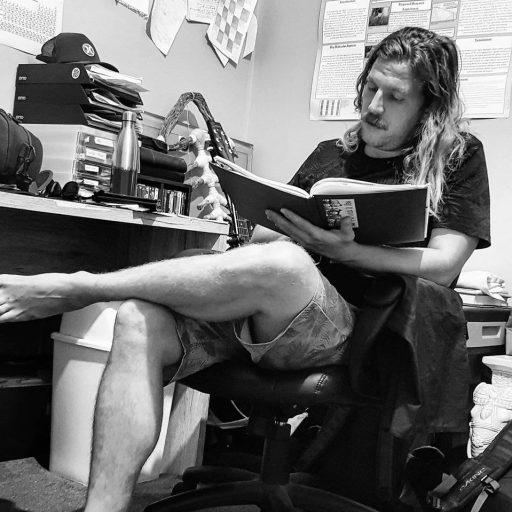
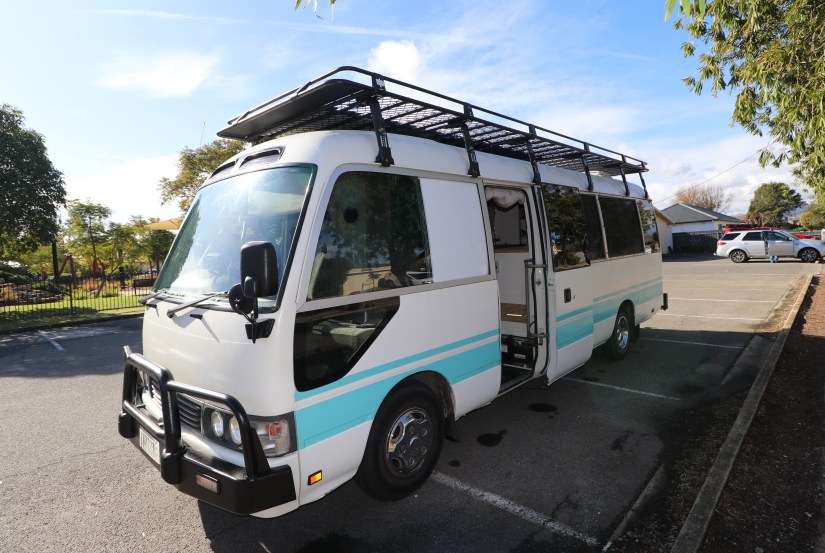
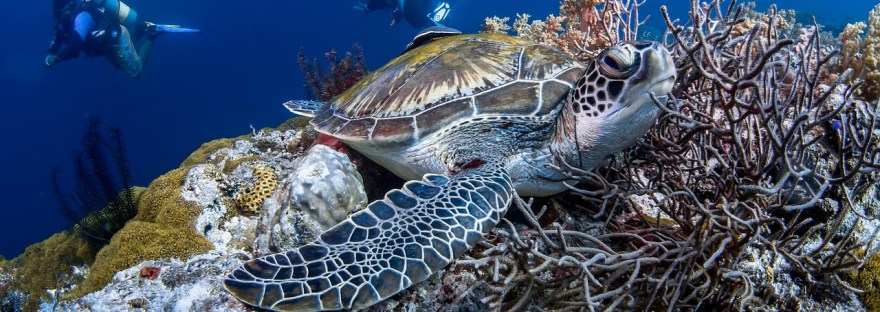
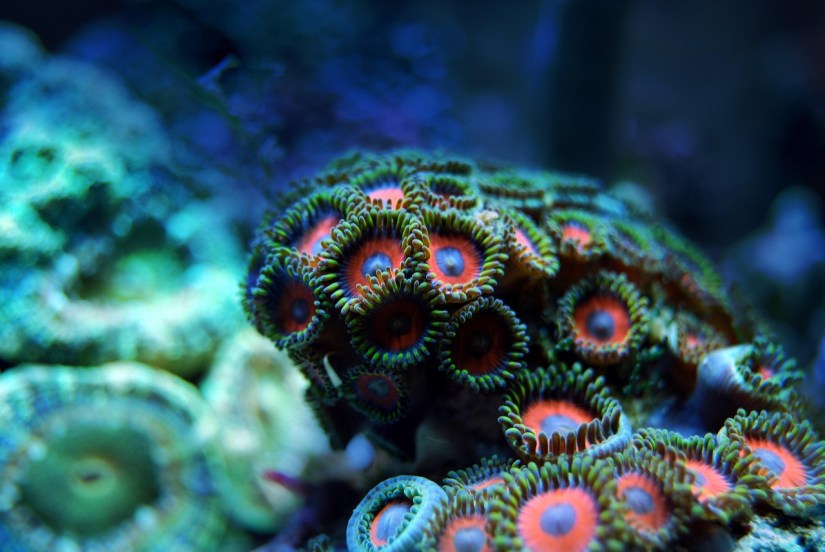
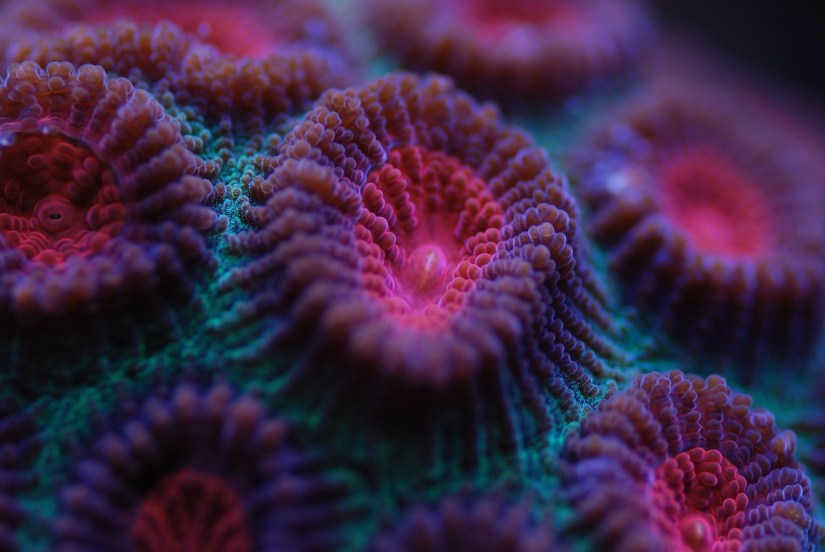
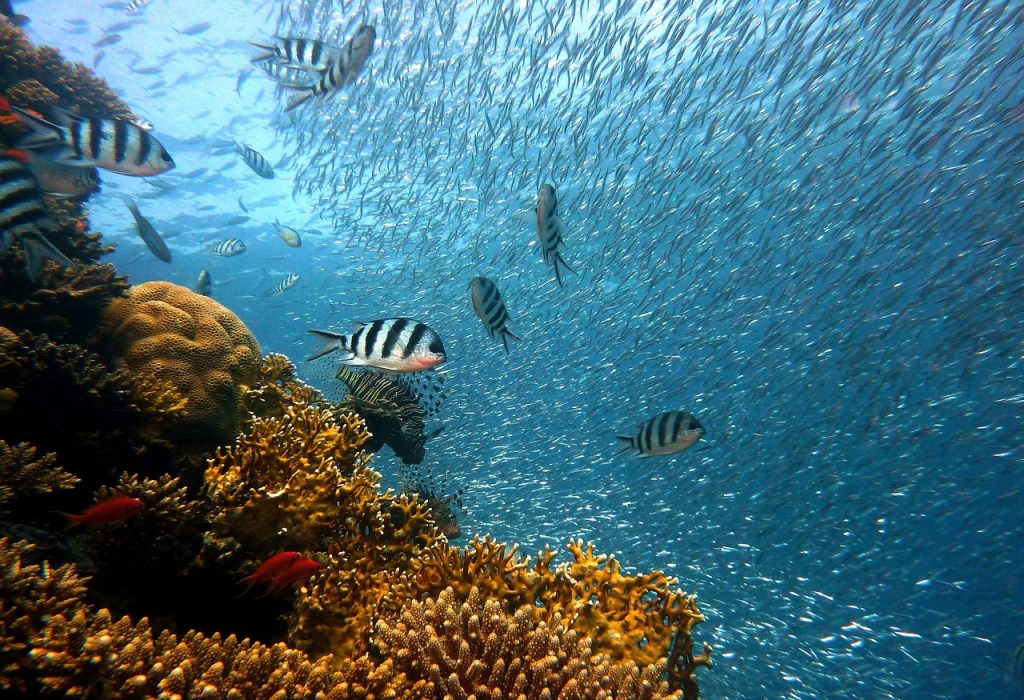
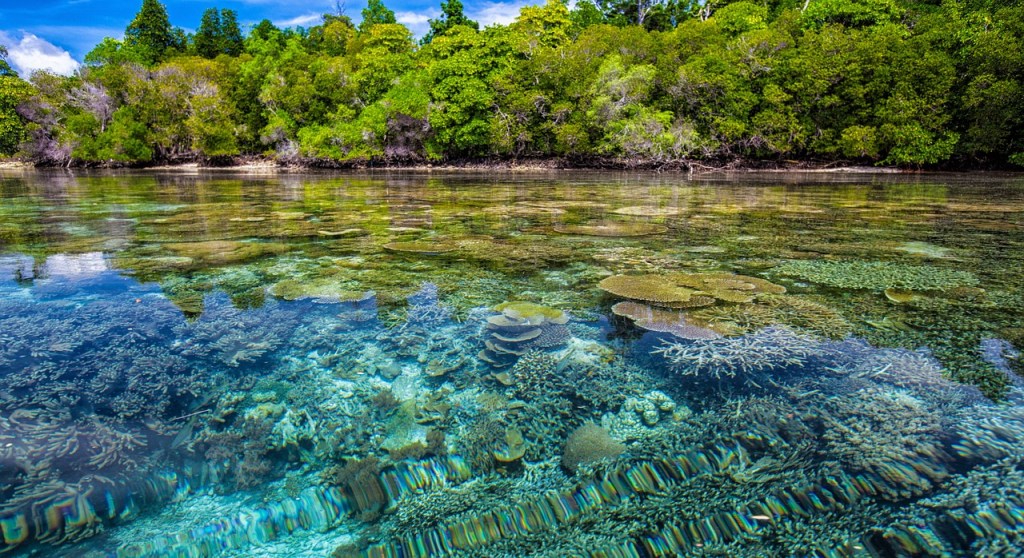
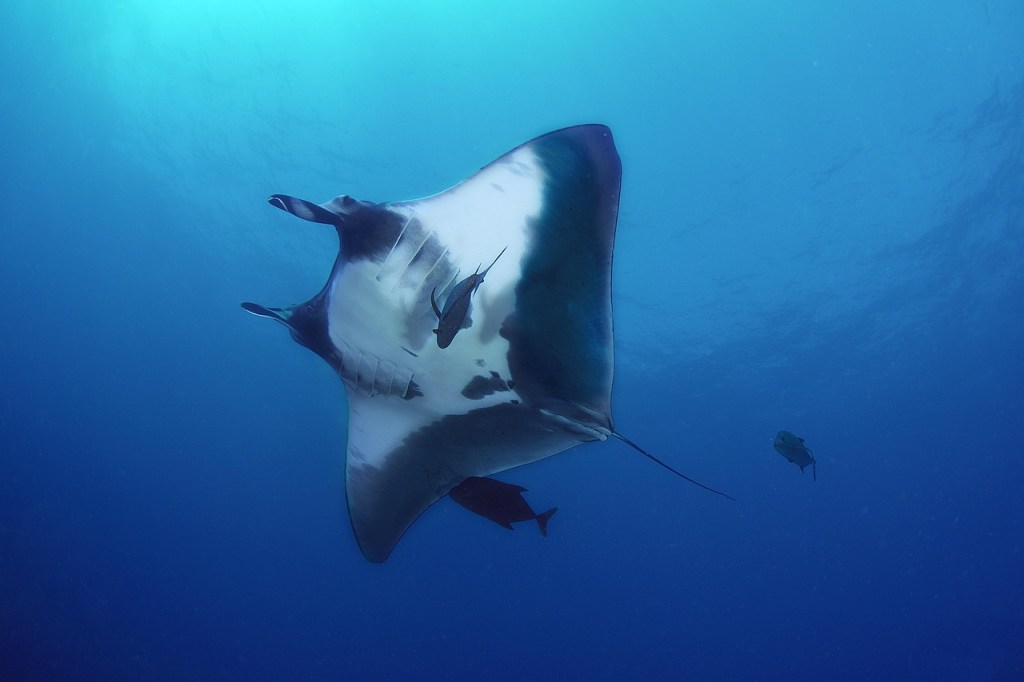
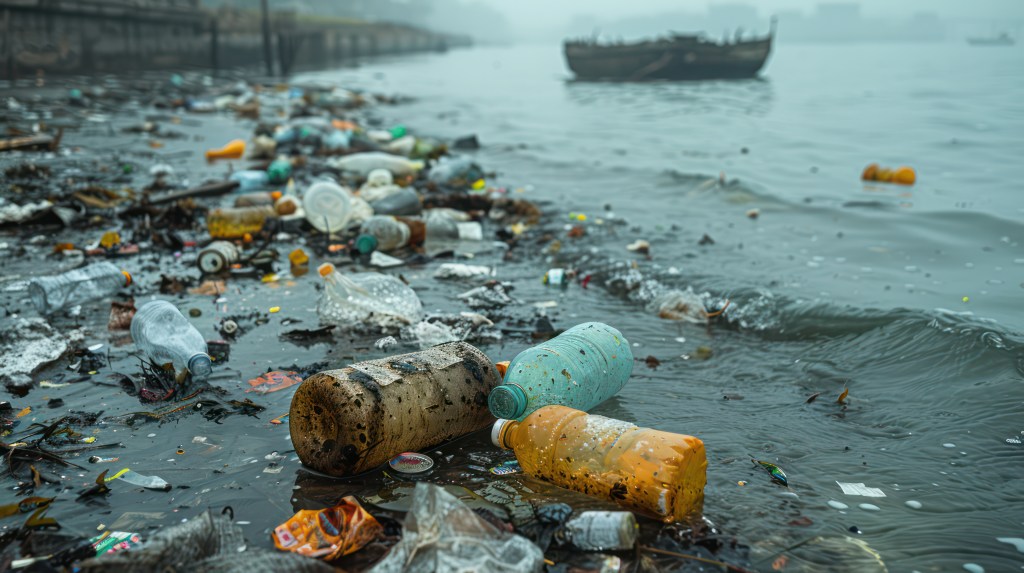
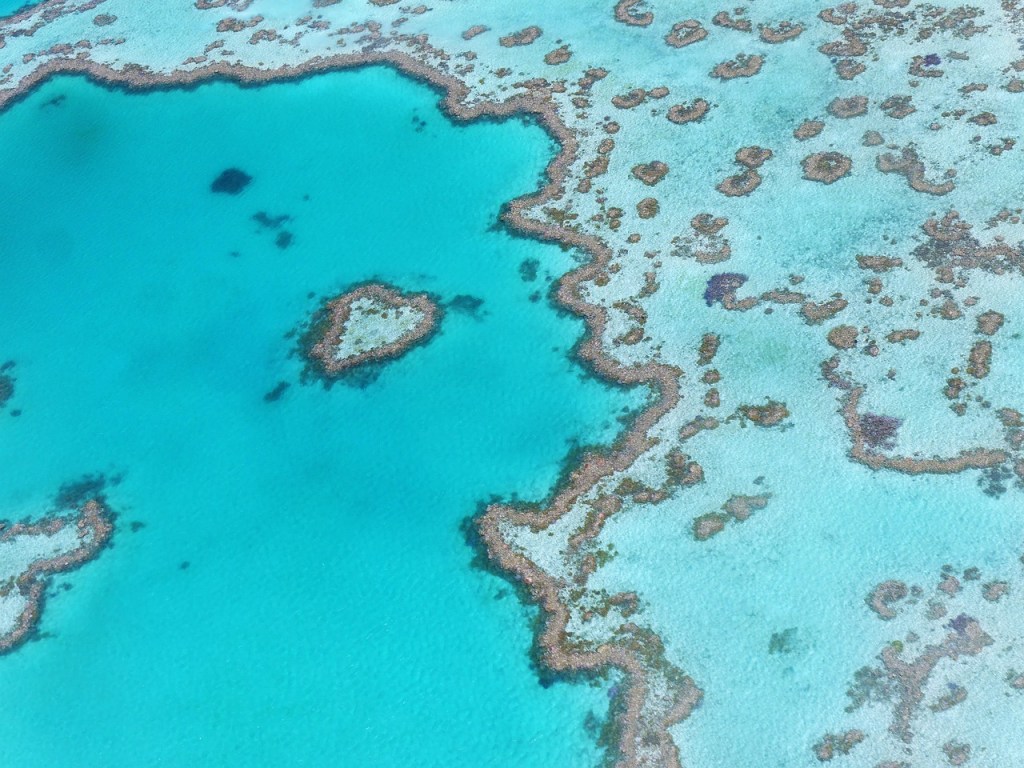
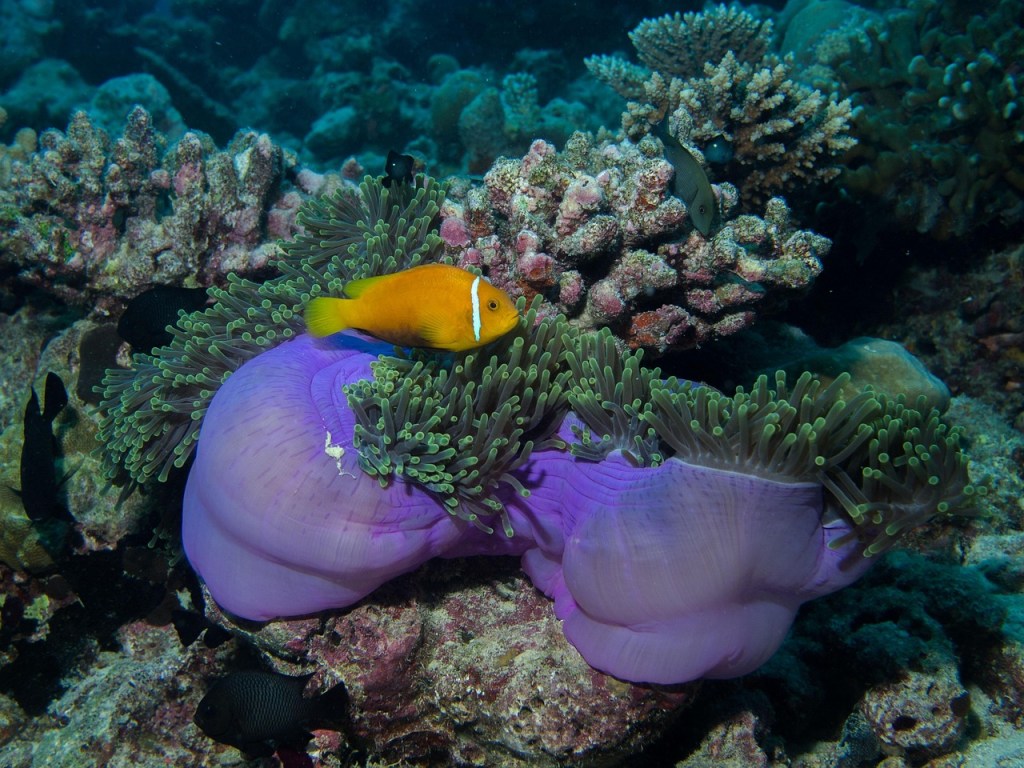
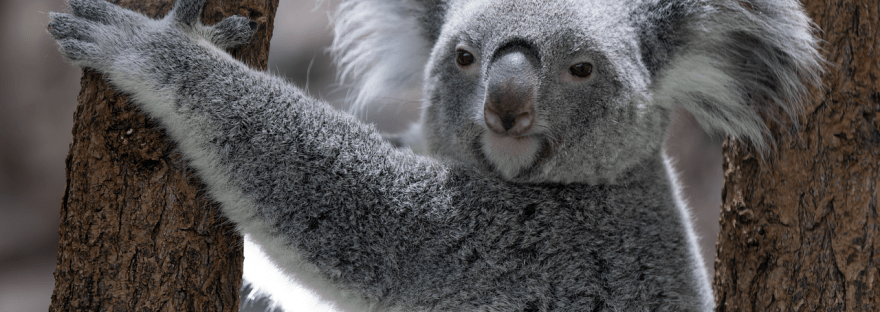
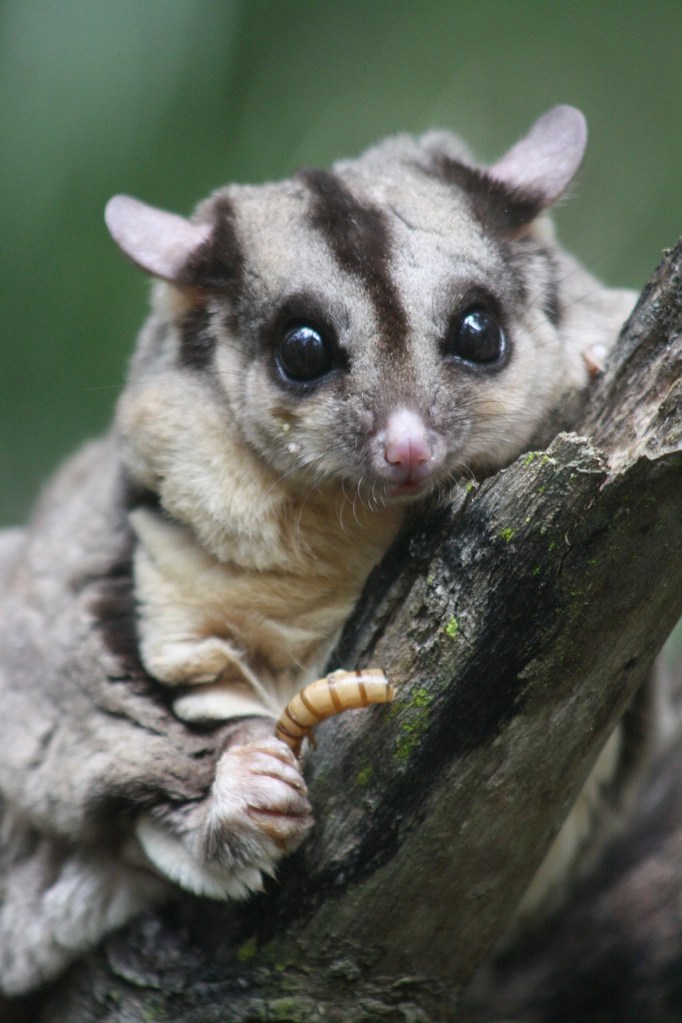
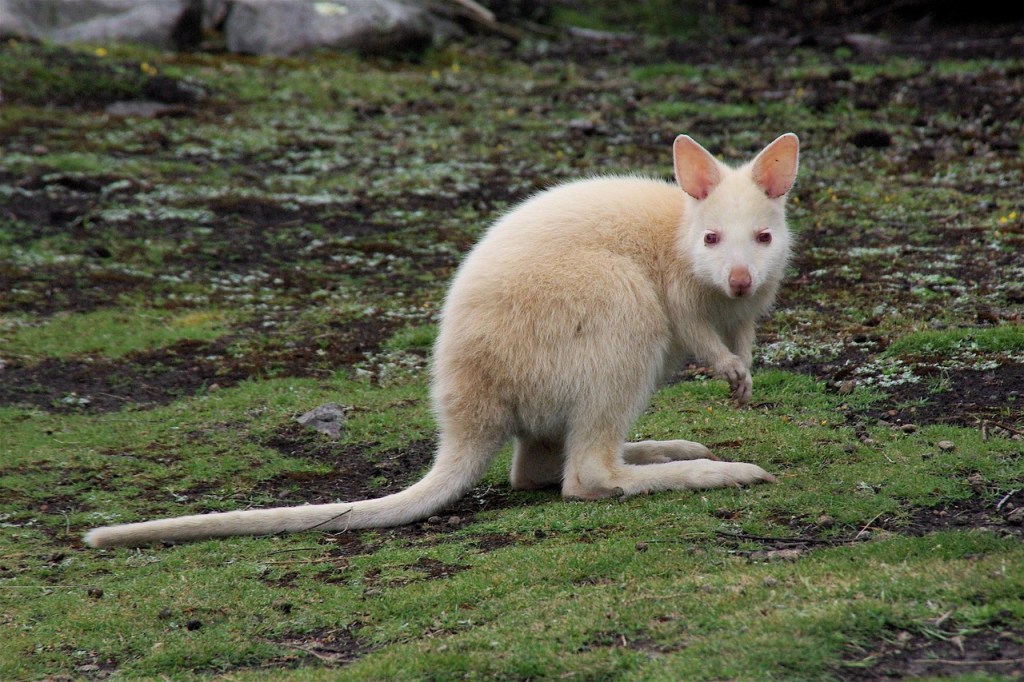
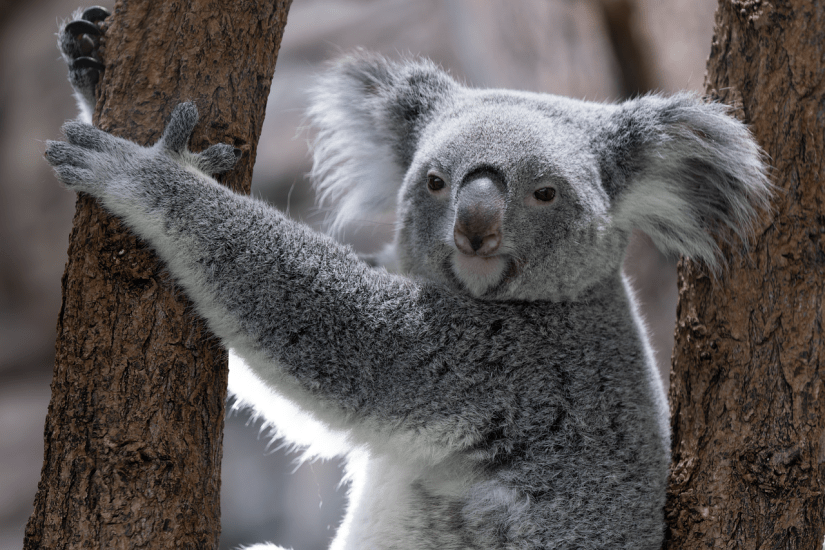
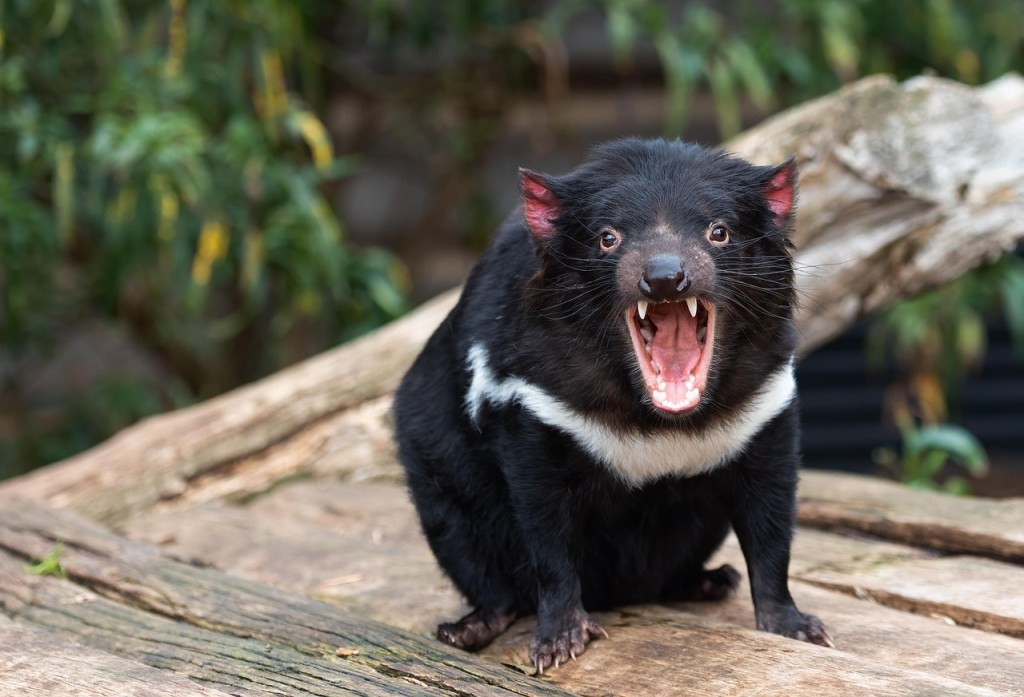
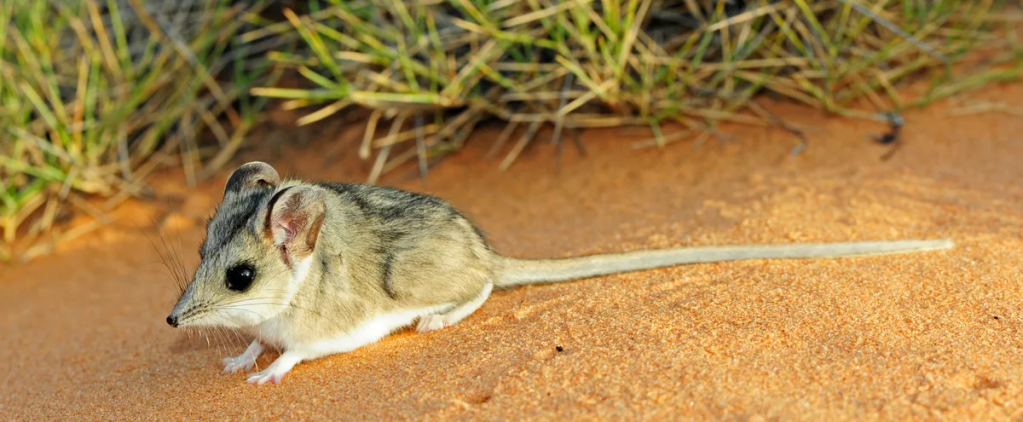


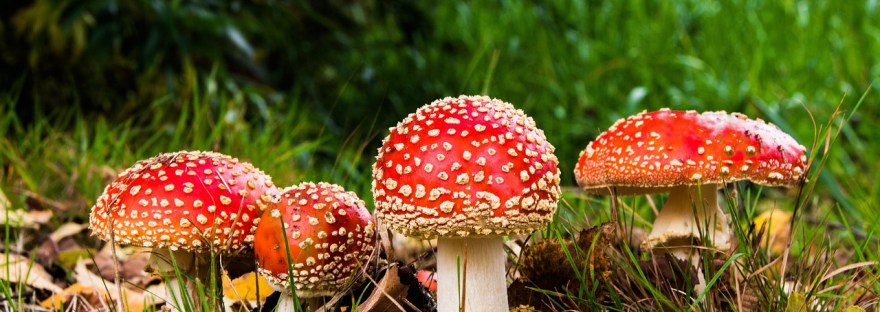


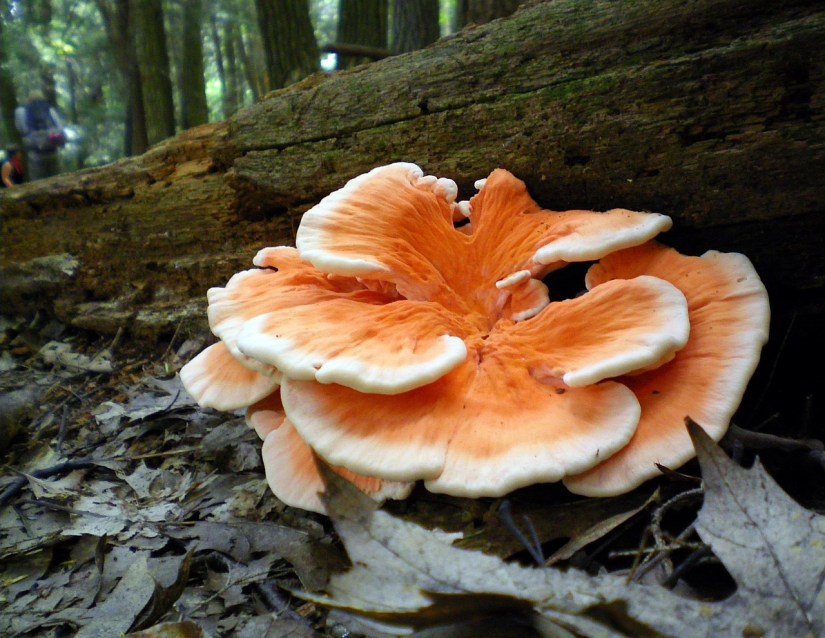

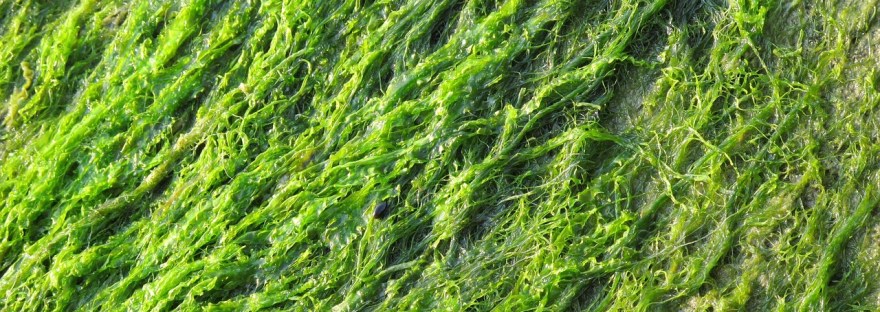
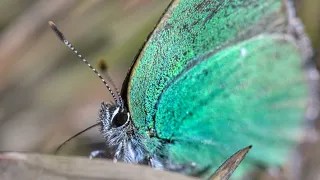
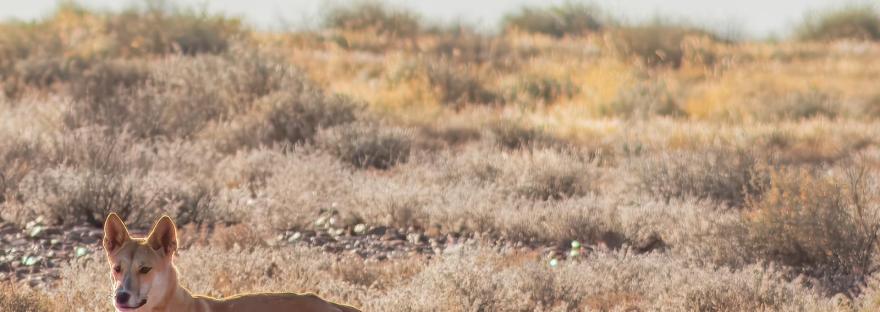

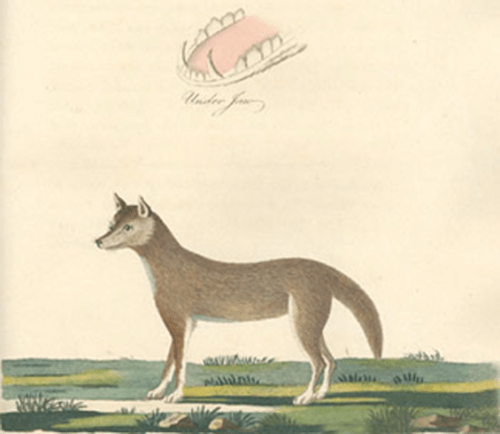
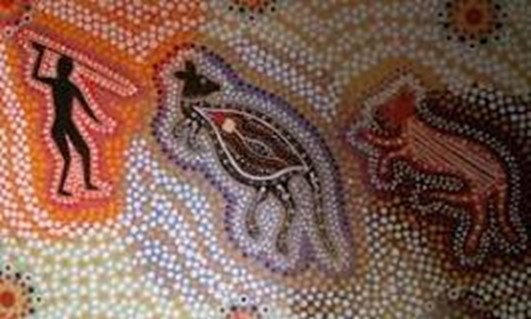
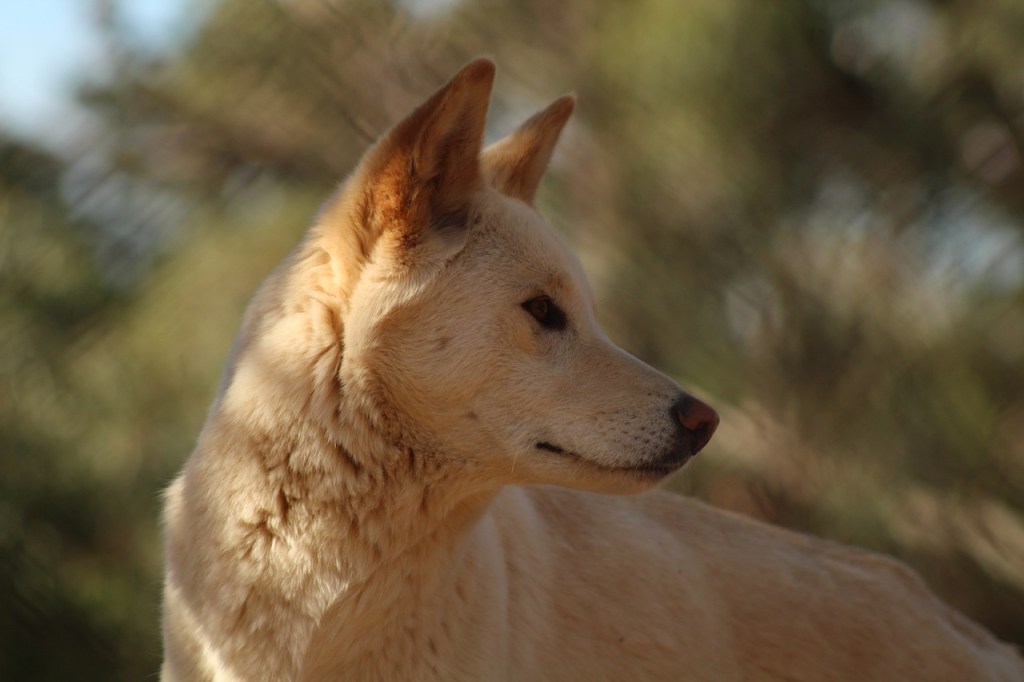
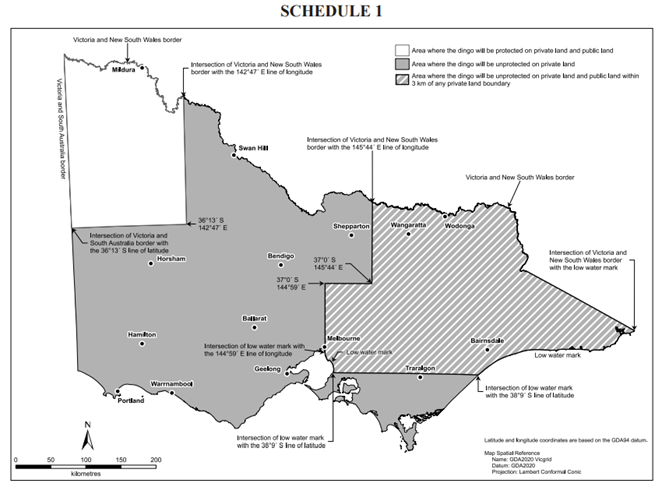
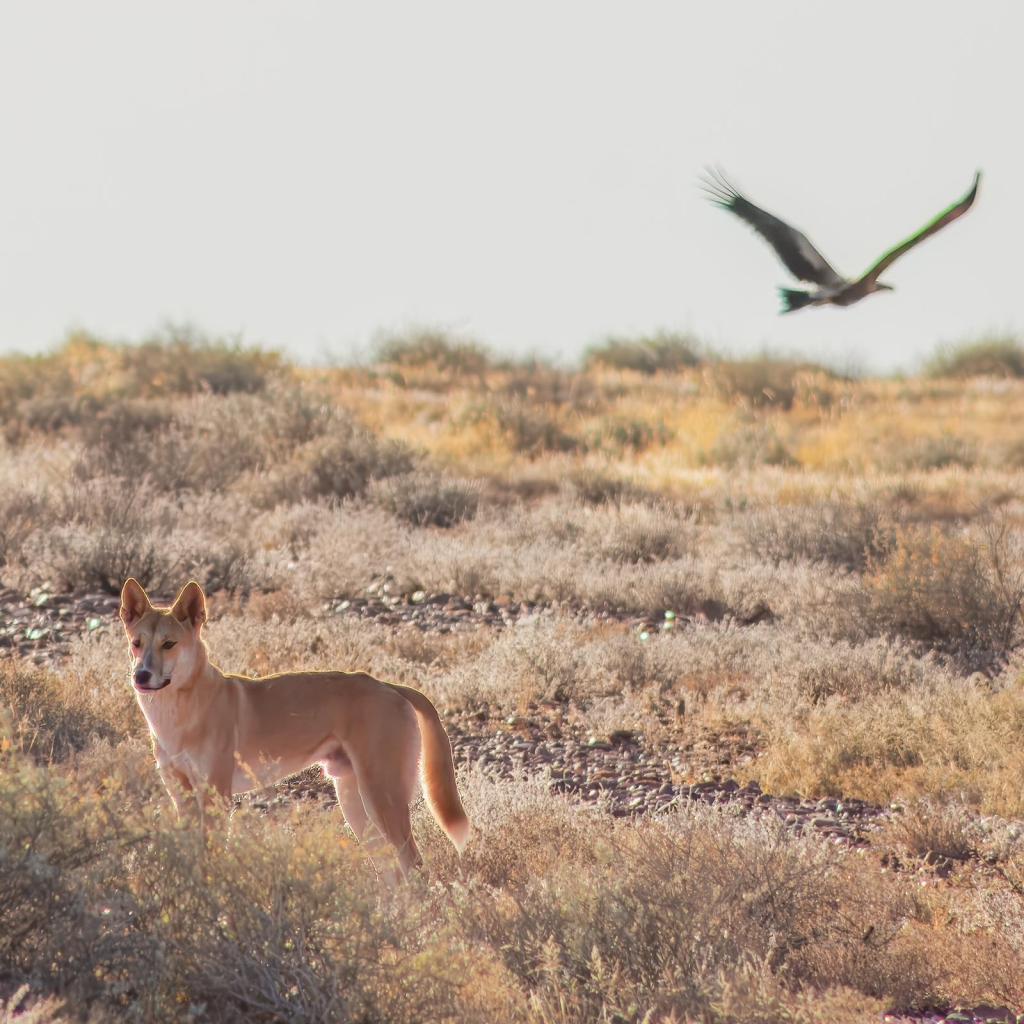
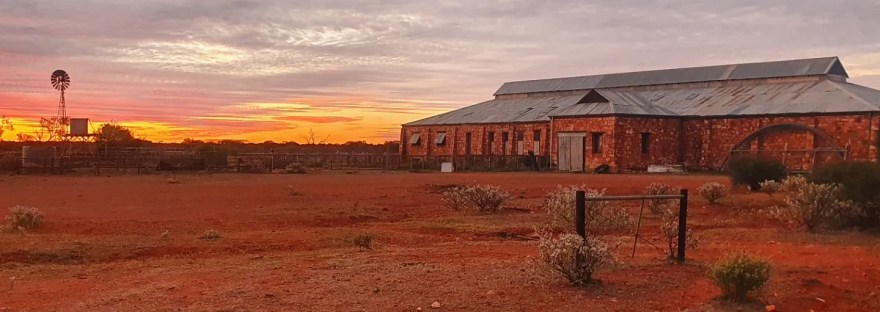
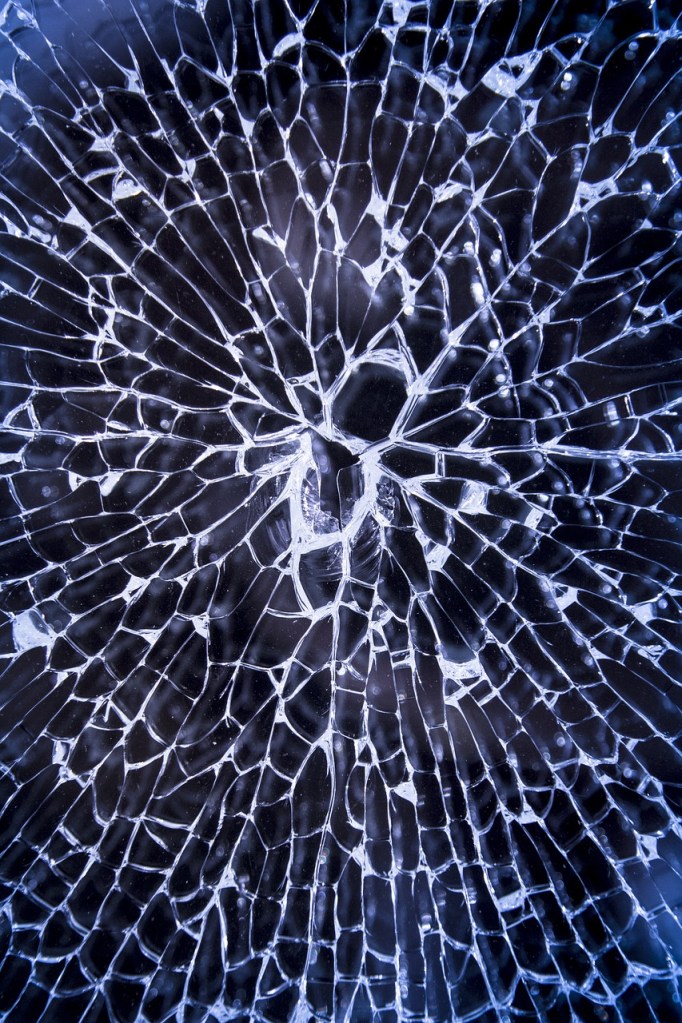
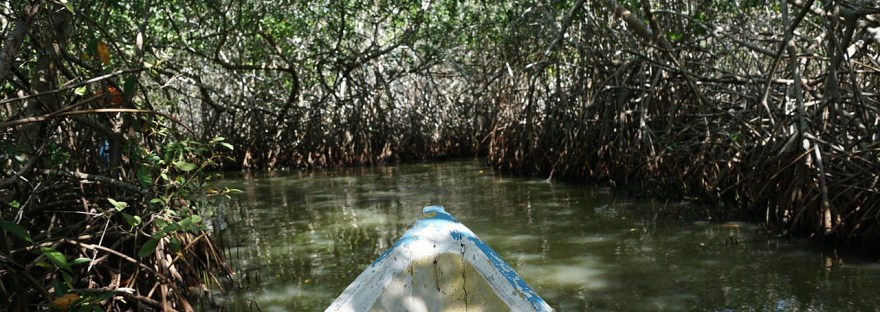
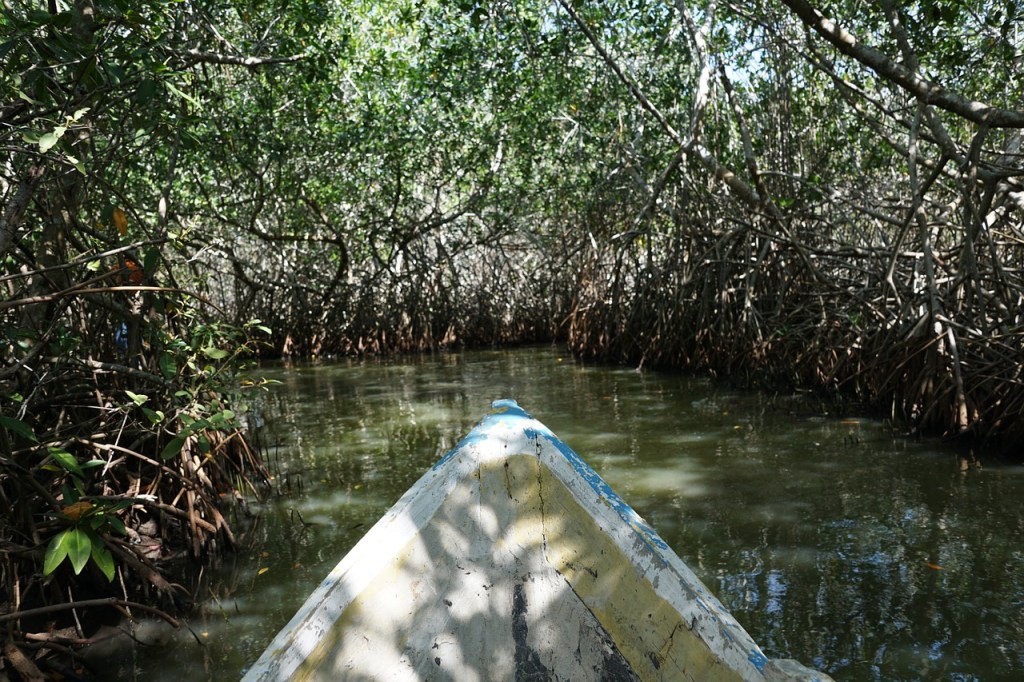

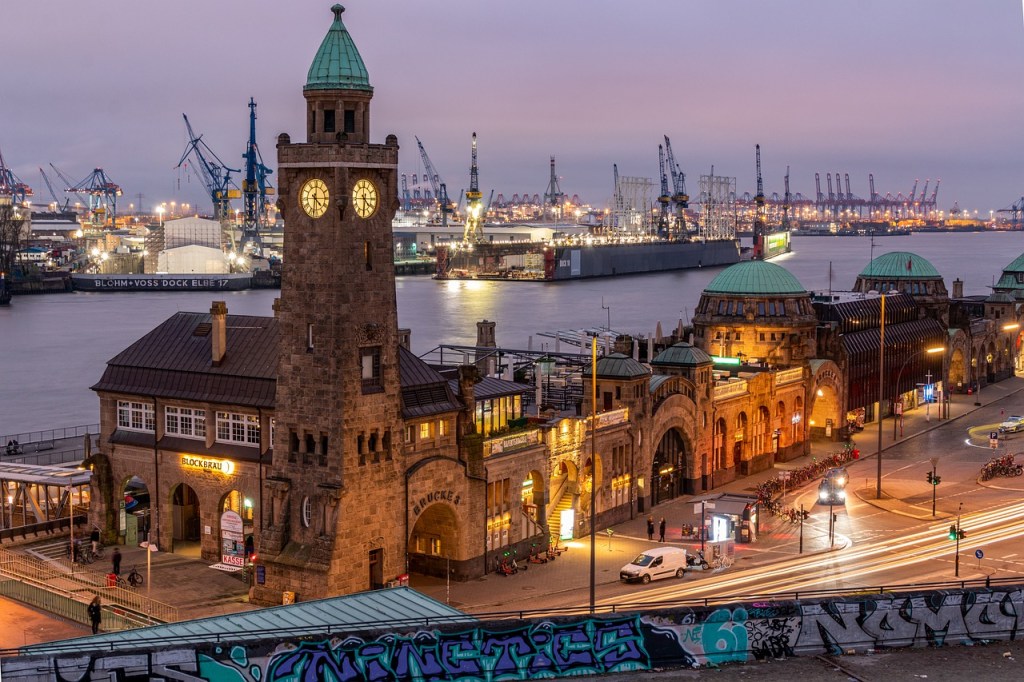





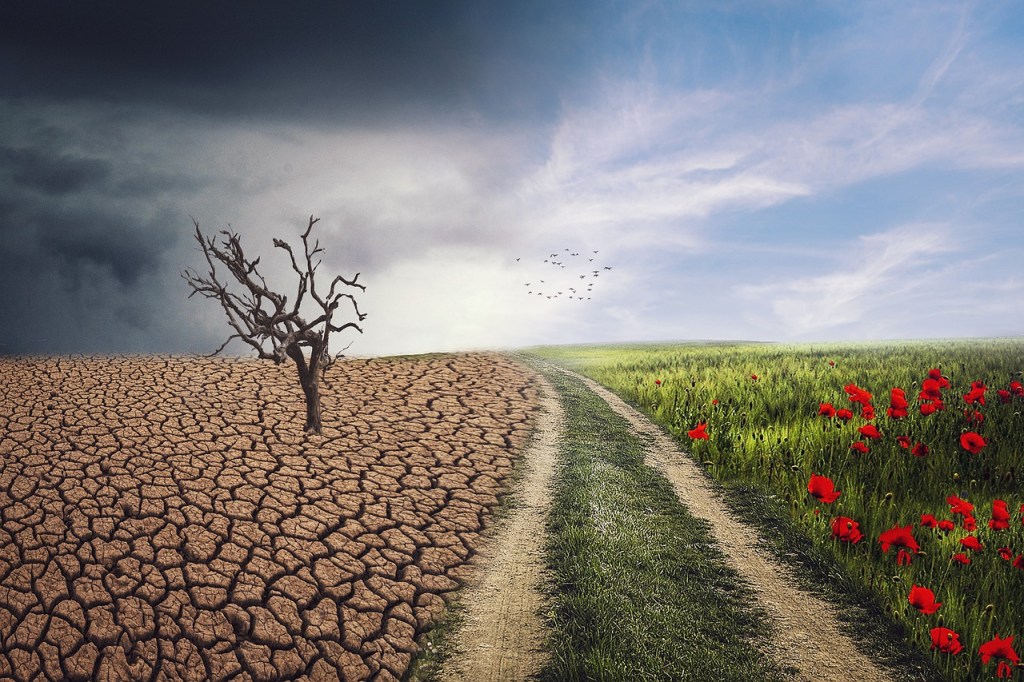
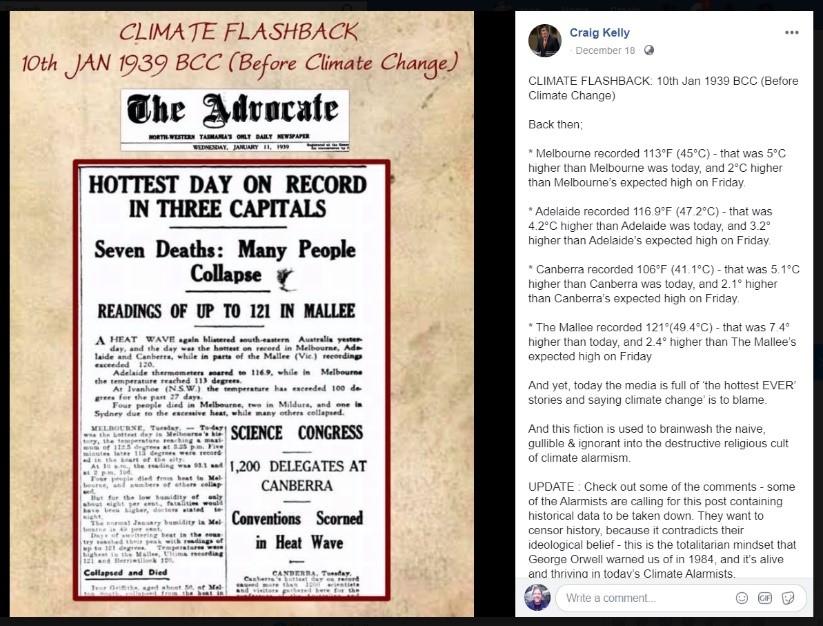
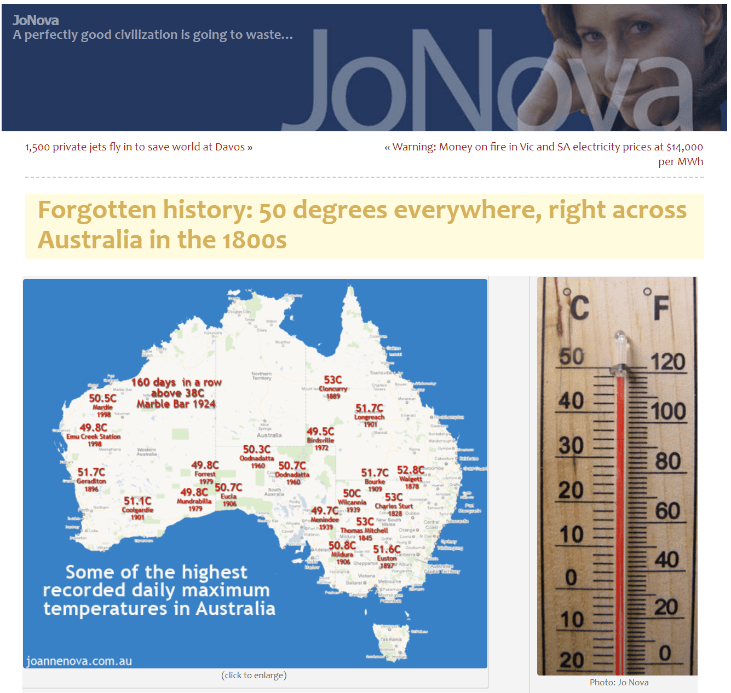
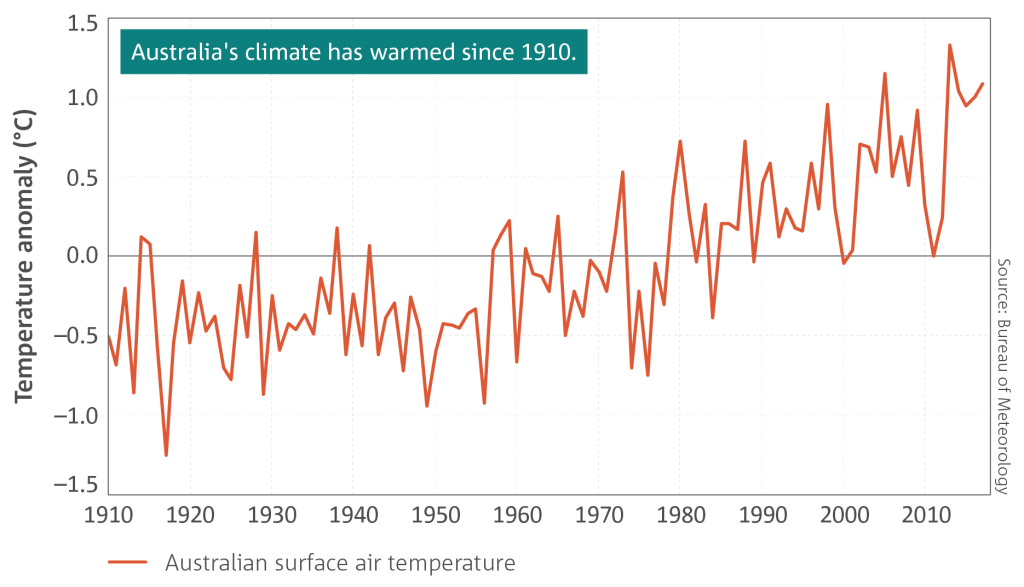

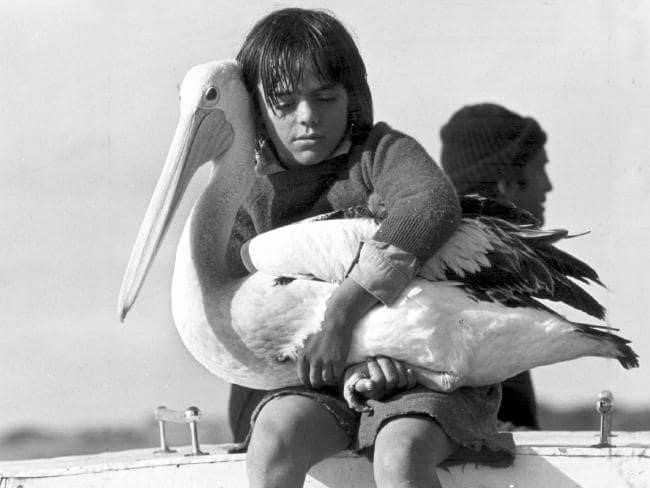







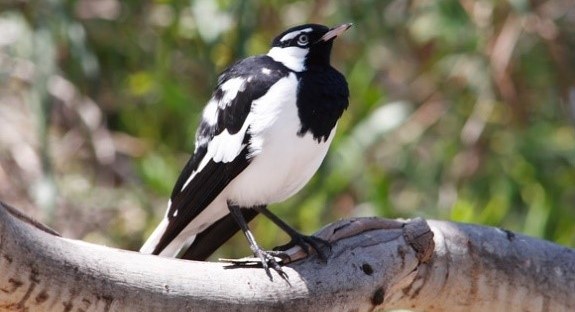
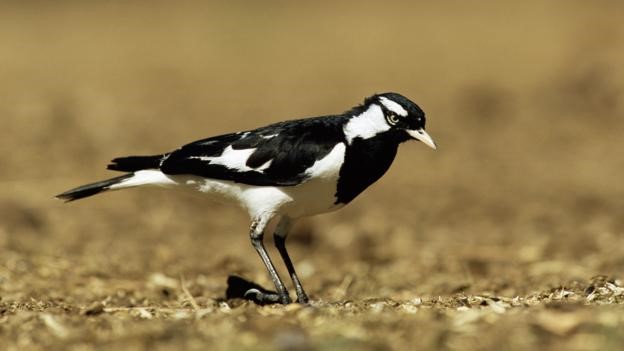
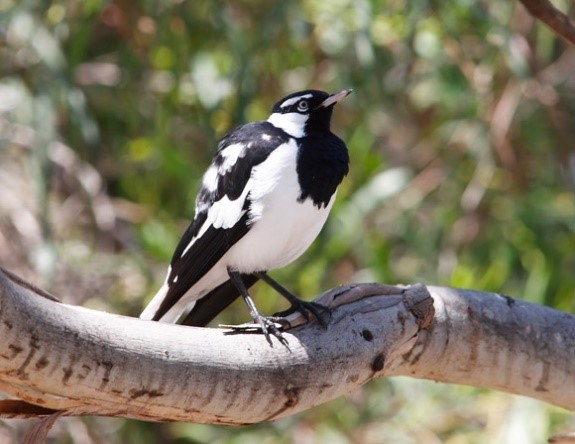
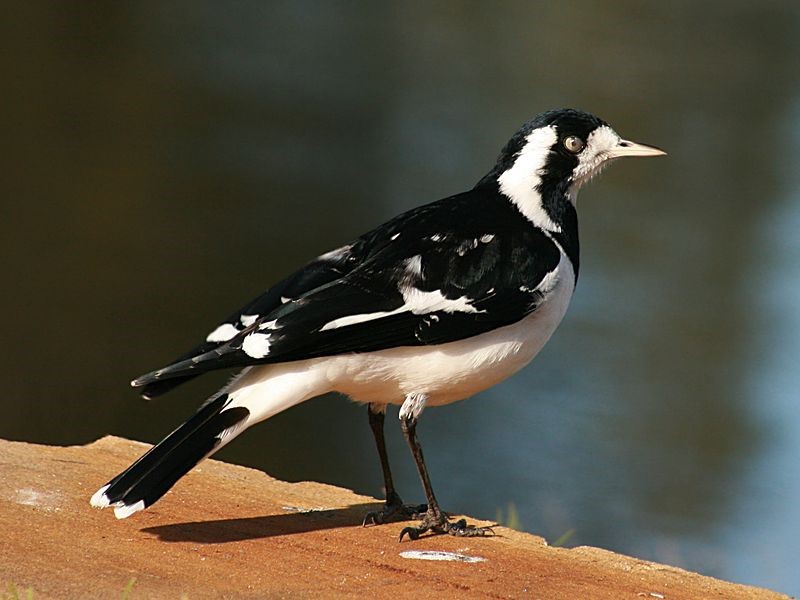

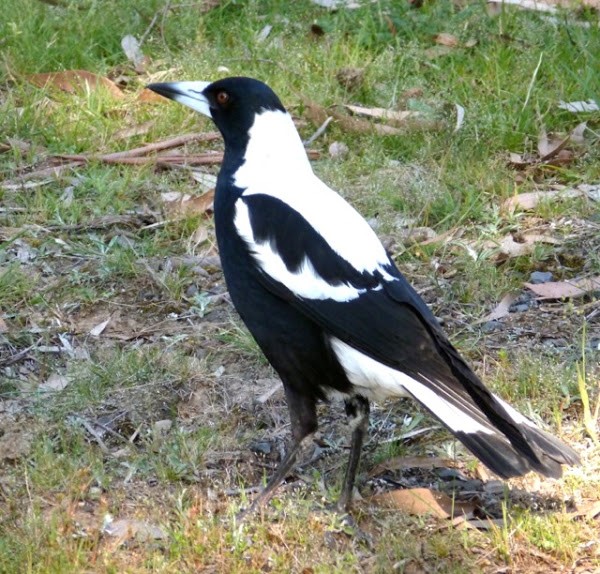
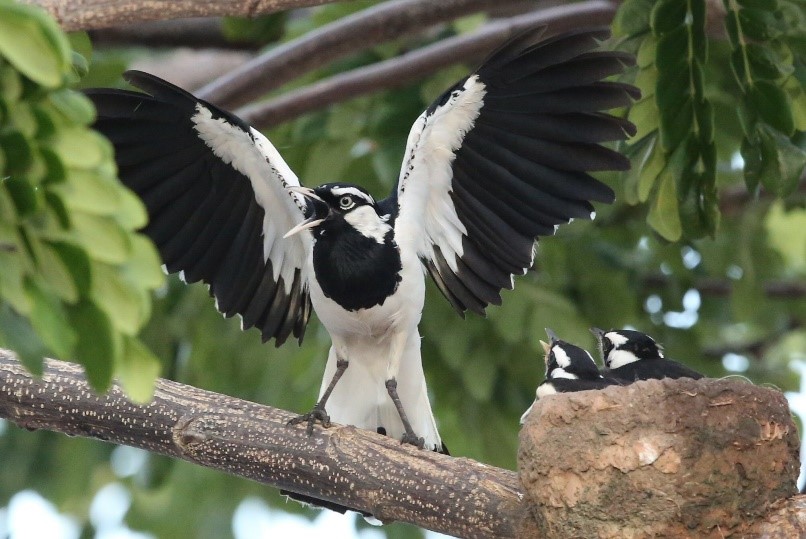
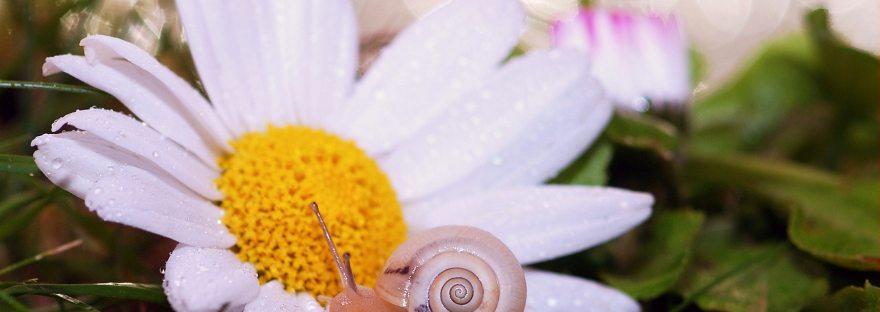

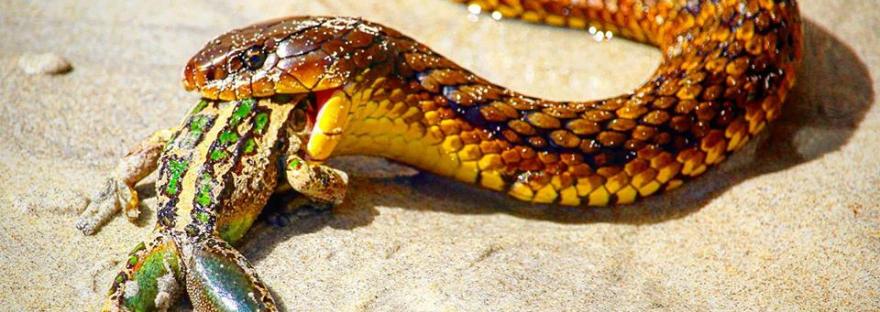
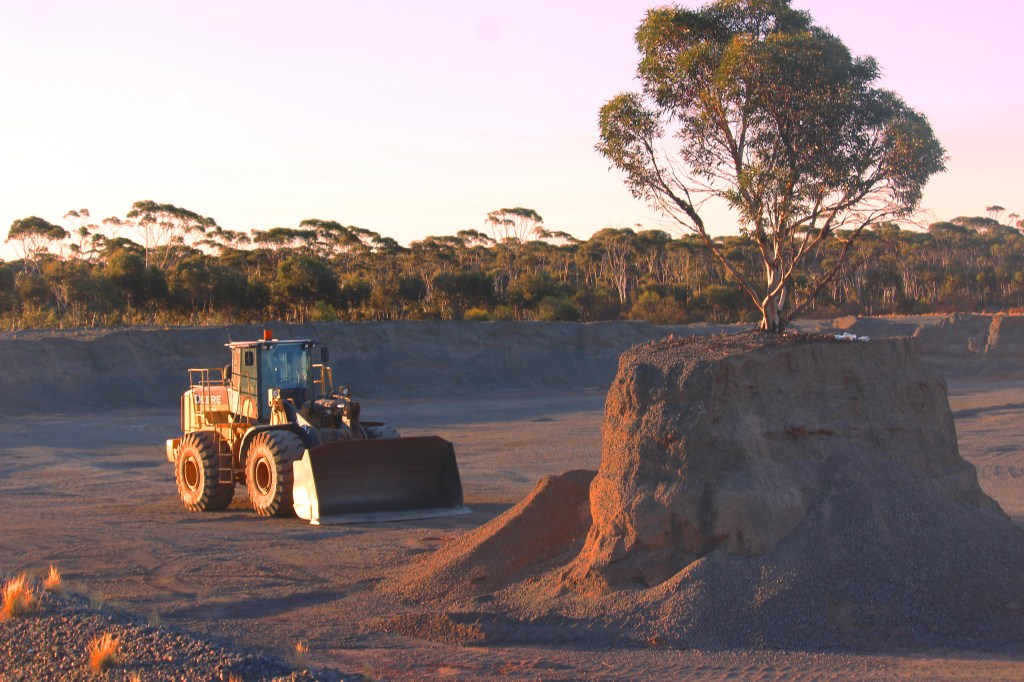
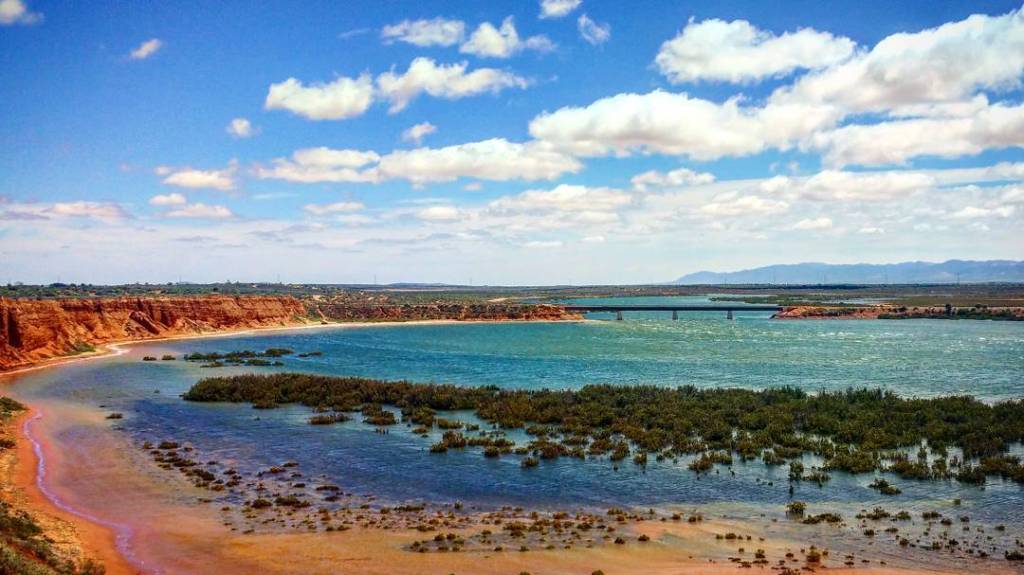
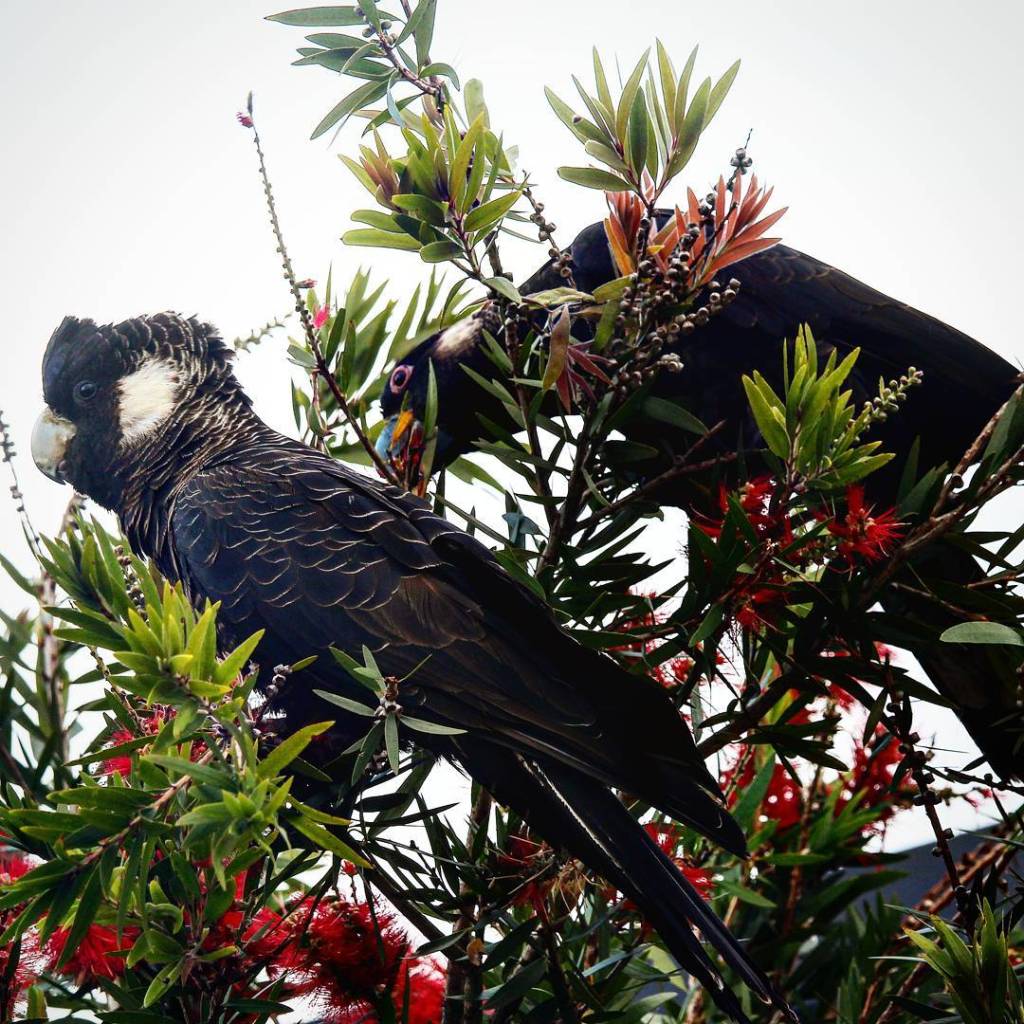
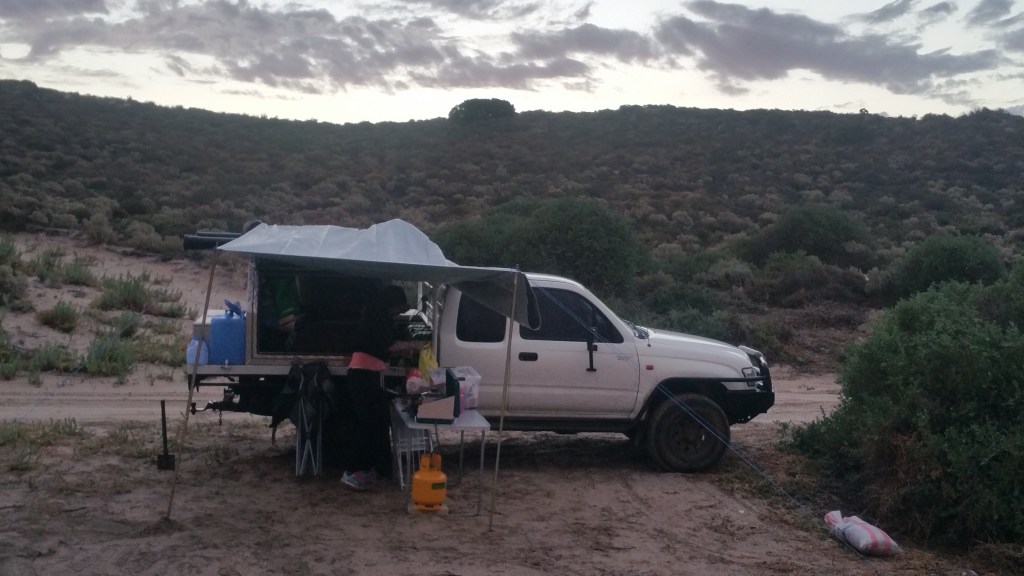

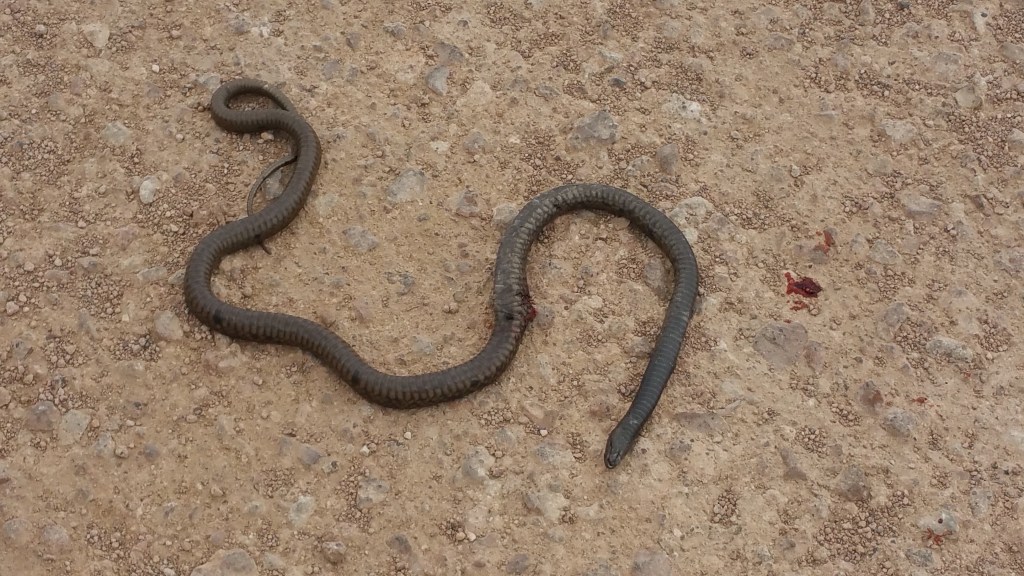

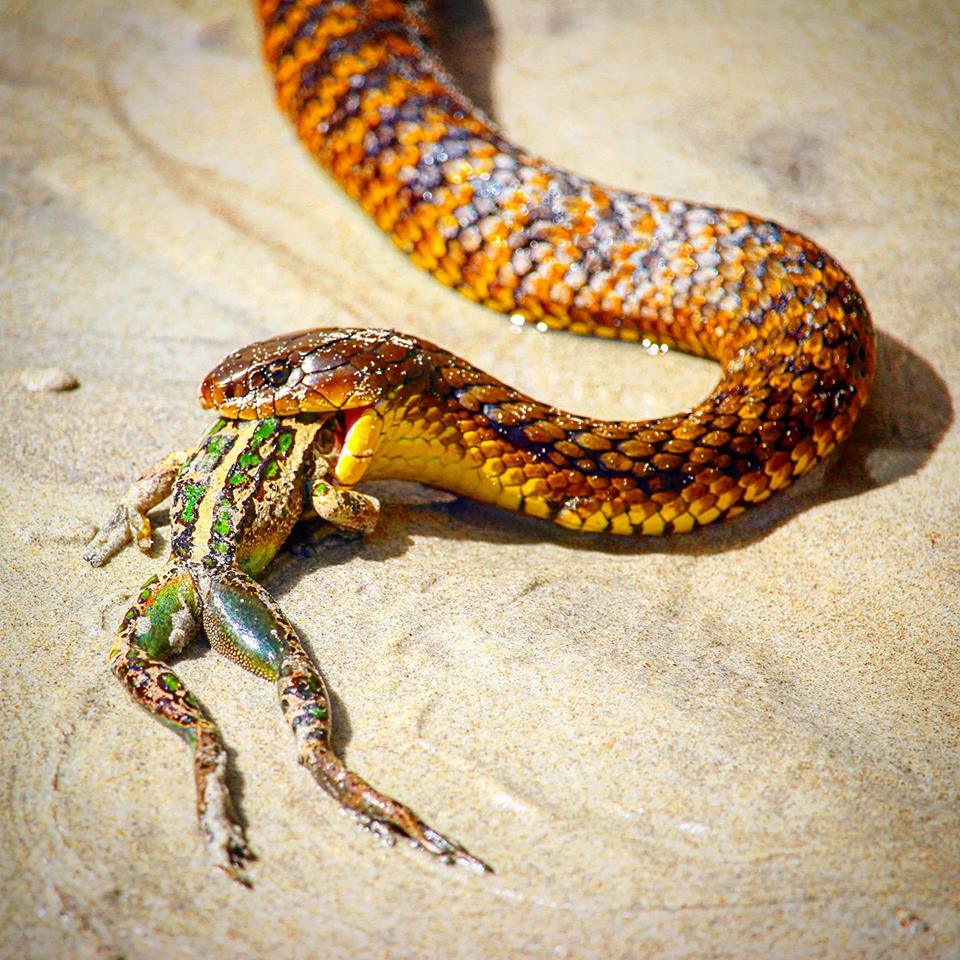
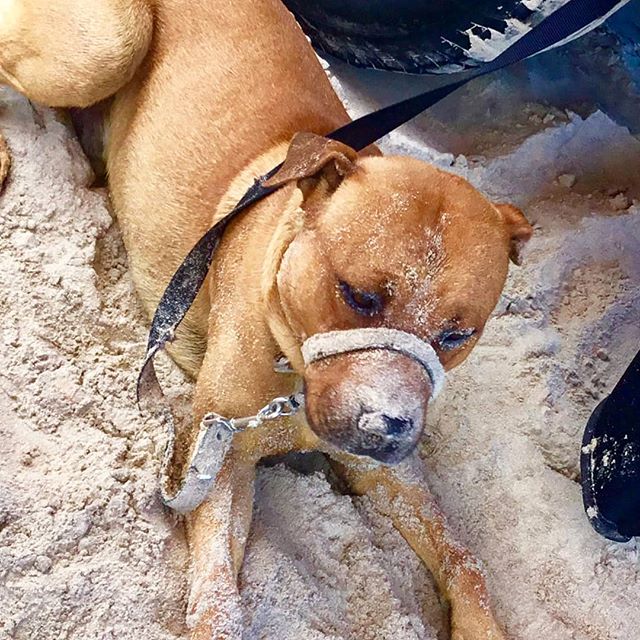
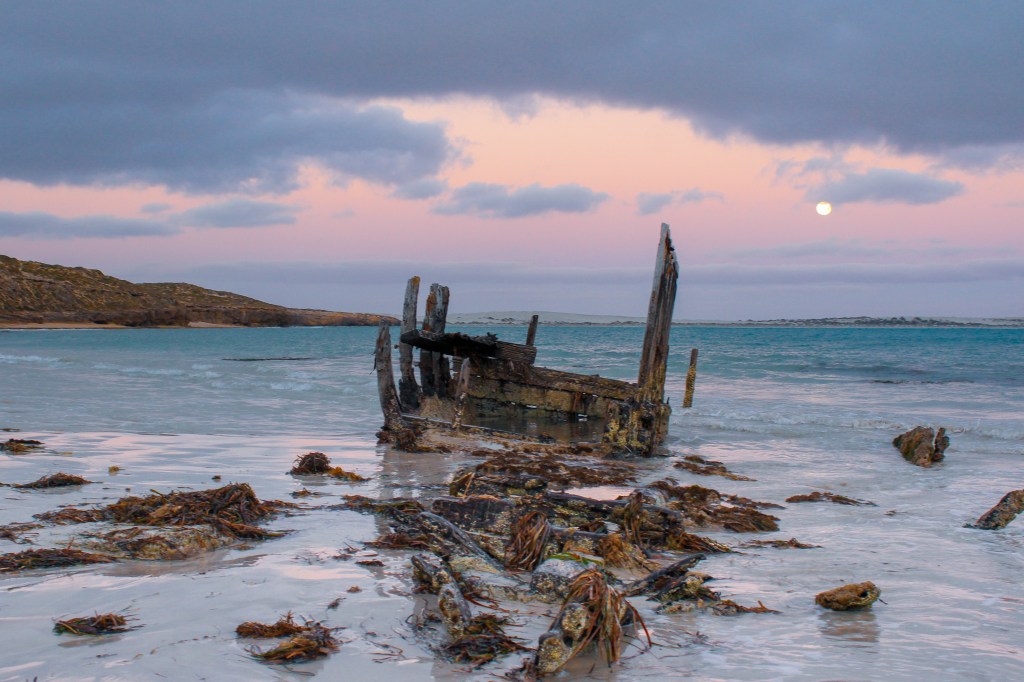
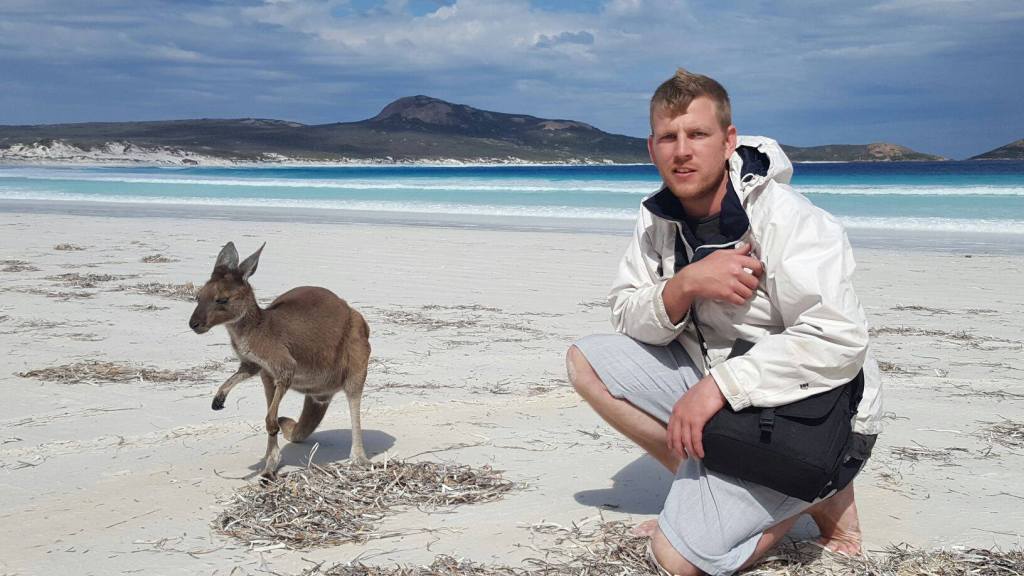
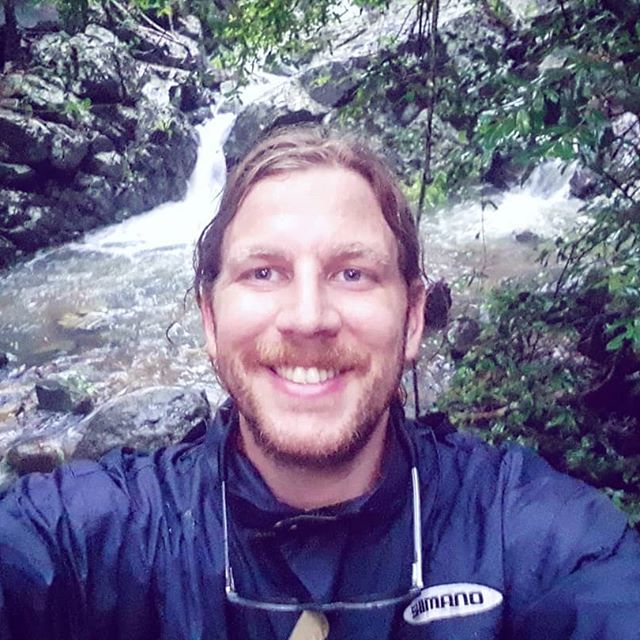
 W. A. Greenly.
