Uncategorized, Year 3 Science

What Makes Something Alive?

Year 3 Science | Living, Non-Living, Once-Living and Life Cycles of Living Things
Aligned with the Australian Curriculum: AC9S3U01

Welcome, curious critters and fantastic educators! 🐸🌻
Have you ever looked at a butterfly and wondered what makes it alive? Why does it flutter and fly, while a rock just sits there doing… well, nothing? And what about fossils? They’re not alive anymore, but they used to be!

If you’ve asked questions like these, you’re thinking like a scientist — and this post is for you.

Let’s explore what makes something living, non-living, or once-living, and take a peek into the life cycles that all living things go through.

🔍 What Is a Living Thing?

All living things share seven key features. These features help us tell the difference between something that is alive, something that was once alive, and something that has never been alive at all. Here they are in no particular order:

Movement

Living things can move. Sometimes it’s easy to spot — like a kangaroo hopping — and sometimes it’s slower or more subtle, like a plant bending towards the sunlight.

Nutrition

All living things need food to get energy.

  • Animals eat plants or other animals — just like we do!
  • Plants make their own food from sunlight through photosynthesis.

Respiration

This is the process of turning food into energy. All living things do it — even plants! It might sound tricky, but just remember: respiration is how living things power their bodies.

Excretion

Living things must get rid of waste. It might seem gross (we see you, dung beetle!), but it’s a vital process that keeps organisms healthy — and often helps other life forms too.

Sensitivity (Response to Environment)

Living things can sense and respond to changes around them:

  • Plants grow towards light or close their leaves when touched.
  • Worms wriggle when they feel vibrations.
  • Humans respond to temperature, light, sound… and even emotions!

Reproduction

Living things can make more of themselves. Whether it’s turtles laying eggs or plants making seeds, reproduction is essential to keeping life going.

Growth (and Life Cycles!)

All living things grow and change over time — this is called a life cycle. From baby animals to blooming flowers, every living thing has a journey of growth.

🤔 What About Non-Living and Once-Living Things?

Let’s test your science smarts! Think about each of these — are they living, non-living, or once-living?

  • 🐸 A frogLiving! It moves, eats, grows, and can make more frogs.
  • 🪨 A rockNon-living. It doesn’t move on its own, eat, or reproduce.
  • 🦴 A fossilOnce-living. It was part of something alive long ago, like a dinosaur!
  • 🌳 A treeLiving. It makes food, grows, and responds to sunlight.
  • 🪵 A logOnce-living. It was once a tree, but it’s no longer alive.
  • 🤖 A toy robotNon-living. It can move, but only when someone turns it on. It doesn’t grow, eat, or make baby robots!

🌱 Life Cycles in Action

Let’s take a closer look at how living things grow and change.

🐸 Frog Life Cycle

  1. Egg – Frogs begin life as jelly-like eggs in water.
  2. Tadpole – The eggs hatch into tadpoles that swim using tails.
  3. Froglet – Legs grow, tails shrink, and lungs start to work.
  4. Adult Frog – Now they can hop on land, breathe air, and reproduce!

This big change is called metamorphosis.

🌻 Sunflower Life Cycle

  1. Seed – It all starts with a tiny seed.
  2. Germination – Roots and shoots begin to grow.
  3. Seedling – Leaves appear and the plant grows taller.
  4. Adult Plant – It blooms into a sunflower, which makes new seeds!

Even though frogs and sunflowers live in very different environments, they both grow, change, and reproduce — because they are living things.

🧠 Quick Recap: How Can You Tell If Something Is Living?

Ask yourself (note: I’ve changed the order from above):

  • Move — Can it move?
  • Respiration — Does it use energy?
  • Sensitivity — Does it respond to the world around it?
  • Growth — Does it grow?
  • Reproduce — Can it make more of itself?
  • Excretion — Does it get rid of waste?
  • Nutrition — Does it need food?

If the answer is yes to most of these — it’s alive!


🎒 For Teachers

This blog post supports Year 3 Science, particularly the content description AC9S3U01 from the Australian Curriculum, which focuses on how scientists group things as living, non-living, or once-living based on observable features.

You can use this resource:

  • As pre-learning before a unit on life cycles or biological classification
  • Alongside a nature walk, science incursion, or museum visit
  • With the Critter Quest Education video as an engaging multimedia introduction
  • As a formative check-in after a hands-on activity

🧪 Final Thoughts

Whether it crawls, swims, grows in soil, or even used to be alive — the world is full of clues to what makes something living. By learning to observe and ask questions, we can start seeing life in all its wonderful forms.

Keep questioning, keep exploring — and don’t forget to check out more resources and videos at Critter Quest Education!
Critter Quest Education, science, Uncategorized

Welcome to Critter Quest Education – Free Australian Primary Science Videos & Teaching Resources

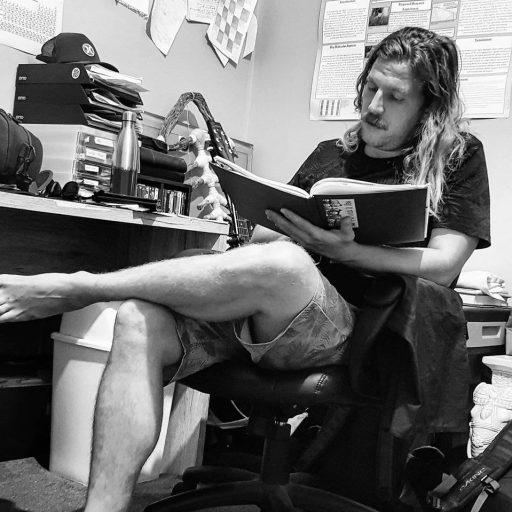
A message from Mr. Greenly, science nerd, nature lover, writer, and aspiring teacher

🌿 Welcome to Critter Quest Education
A message from me, Mr. Greenly

Hi there, and welcome to Critter Quest Education! If you’ve landed here, chances are you’re a teacher, educator, or maybe even a curious parent on the hunt for curriculum-aligned science content, engaging and ready to use in the classroom. You’re in the right place.

I’m Mr. Greenly, a scientist, writer, and aspiring educator who’s currently completing a Master of Teaching (Primary). I also hold a Bachelor of Science in Biodiversity & Conservation, and over the past few years, I’ve been steadily building this little corner of the internet: Mr. Greenly & Critter Quest Education. It’s now a home for Australian Curriculum-aligned science explainer videos and primary science teaching resources, created specifically for Foundation to Year 6 classrooms, relief teachers, and homeschoolers.

But before I talk more about the resources, let me tell you a little about how this all came to be.

Supporting Australian Primary Science Education with Engaging, Curriculum-Aligned Videos
🦎 From science to stories
I’ve always been fascinated by the natural world, by frogs croaking at sunset, ants working together on the forest floor, and fossils whispering stories from millions of years ago. That love of nature led me to study Biodiversity & Conservation, where I deepened my understanding of the world’s ecosystems, species, and the fragile web that connects them all.

But I’m also a storyteller at heart. Somewhere between university assignments and fieldwork, I began writing a book, a fantasy adventure novel for pre-teens and early teens inspired by my love for adventure, science, and the magic of nature.

The book, titled Pho Fickler & The Last Archaeopteryx, follows a young boy who enrols in Fogbow’s School of Natural Processes, where science, nature, and ancient mysteries collide. Set in the fictional world of Aileron, the story explores environmental stewardship, scientific wonder, and the battle between knowledge and exploitation.

I’ve been working on this story since 2019, writing, re-writing, editing, and collaborating with a small group of brilliant beta readers. It’s still a work in progress that I’m aiming to launch soon, but it’s a huge part of the same mission that drives Critter Quest: to inspire younger generations to care about nature, ask big questions, and feel empowered to learn.

🚐 The road to teaching
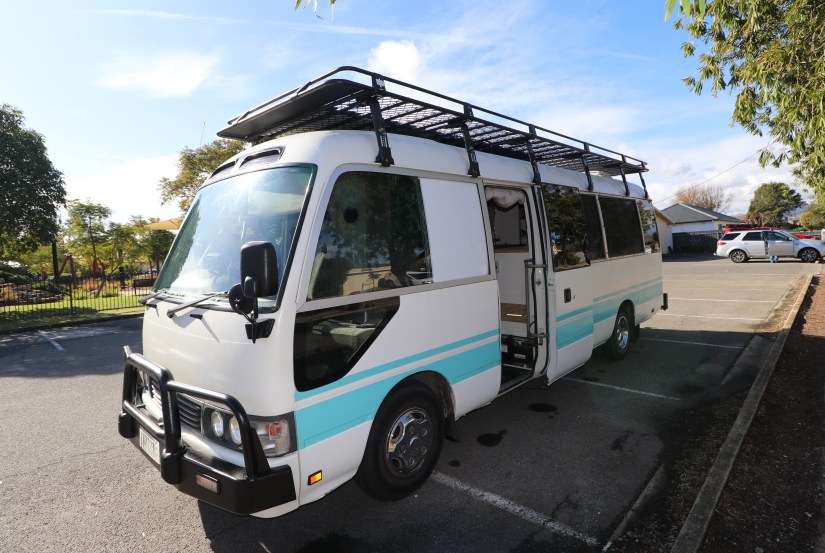
After finishing my science degree a few years back, I bought a bus and converted it into a motorhome. I hit the road with my dog Bruce and my bus, Nessie (short for Wildernessie) just over a year ago when the three of us set off on an eight-month journey, exploring the country, soaking in nature and, admittedly, feeling a little lost.

I loved the freedom—but unexpectedly, I also felt the absence of purpose.

It was during this time that I reflected on something I’d always wanted to do: teach. I’ve always admired the role teachers play in shaping not just knowledge but values, curiosity, and confidence in young minds. I knew I wanted to help kids connect with the world around them, especially the natural world, and to create learning experiences that felt joyful and accessible.

So, I enrolled in a Master of Teaching (Primary), and now I’m just a few weeks out from my first official placement. I’ve got butterflies the size of lorikeets but I’m also incredibly excited to learn, grow, and step into a classroom with real students for the first time.

While I don’t yet have formal classroom experience, I’ve spent plenty of time hanging out with my two young nieces (pre-school and Foundation years), asking bug-related questions, inventing backyard science experiments, and watching the wheels turn in their minds. That joy, the joy of sparking understanding, is what fuels everything I do here at Critter Quest and beyond.

🎥 Why I created Critter Quest Education
Critter Quest Education was born from a simple but pressing question:

What if teachers had access to short, accurate, curriculum-linked science videos and teaching resources they could drop straight into a lesson, without hours of prep or worry about relevance?

Teachers are time-poor. Planning science lessons, especially ones tied directly to the Australian Curriculum v9.0, takes precious hours. And while there’s plenty of content online, much of it is too broad, too long, or just not quite aligned.

So I started creating Australian primary science explainer videos using AI tools alongside my own scripting, editing, and curriculum alignment. The result? A growing library of short, engaging videos tailored to specific content descriptions and achievement standards, covering topics from Biological Sciences to Earth & Space.

Every video is:

  • Aligned to F–6 Australian Curriculum
  • Kid-safe and classroom-friendly
  • Designed to support teacher planning, not replace it
  • Made with curiosity, clarity, and care
  • Agonised over by me for hours—upon hours!

🌱 What you’ll find here
Whether you’re a classroom teacher, relief educator, or homeschooling parent, my goal is to make science feel less overwhelming and more exciting. You’ll find:

✨ Short science explainer videos, sorted by year level, and curriculum strand
📚 Free teaching resources (coming soon!)
🧠 Articles for educators, covering curriculum insights, environmental education, and teaching strategies (also coming soon!)
📖 Updates on my upcoming book, Pho Fickler & The Last Archaeopteryx

And all of it is infused with a warm, personal approach. I want you to feel welcome, heard, and supported. Like you’ve found a little ally in the sometimes chaotic world of planning science.

💬 Stay in touch
If this sounds like the kind of space you’d like to come back to, I invite you to:

  • Subscribe to my email list (via the subscription bar below) so you’ll know when new videos and resources go live
  • Check out the YouTube channel to browse videos by year level
  • Follow along with the blog for insights, updates, and inspiration

Teaching is one of the most human, meaningful things we can do, and if I can help take even a sliver of weight off your shoulders with these videos and teaching resources, then Critter Quest Education is doing its job.

Thanks for being here.

Back to the Critter Quest Education Homepage.