Coral reefs are dying — but most people don’t even know what coral is. That’s not your fault. Between the headlines, the heatwaves, and the heartache, it’s easy to feel overwhelmed or switch off entirely. But what if understanding these underwater cities could actually reconnect us — to nature, to awe, and to hope?
If you’ve ever marvelled at a reef from above, watched a David Attenborough doco on loop, or just want science made simple and wonder-filled — you’re in the right place.
Please, subscribe now and dive into a calmer, clearer climate conversation. No guilt trips. Just great stories, beautiful science, and practical ways to care.
If you don’t swim but adore marine life, allow me to be your guide to the vibrant world of coral reefs. Whether you paddle in rock pools or prefer to stay high and dry with a cuppa and a good David Attenborough doco, one thing’s for sure — the Kingdom of Corals is a realm like no other. Today, we’re diving into the underwater cities that never sleep. Strap in, because this isn’t just another fish tale — it’s a technicolour plunge into one of Earth’s most astonishing ecosystems.
What Is Coral, really? (Spoiler: It’s Alive!)
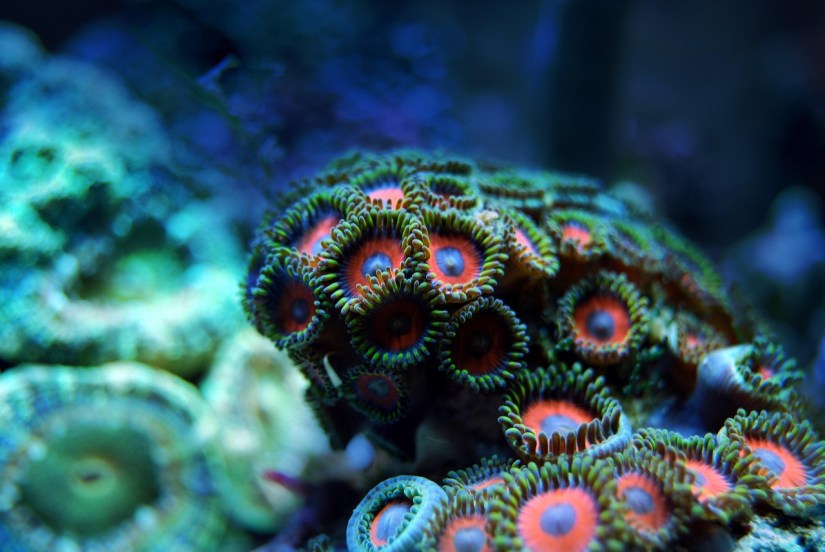
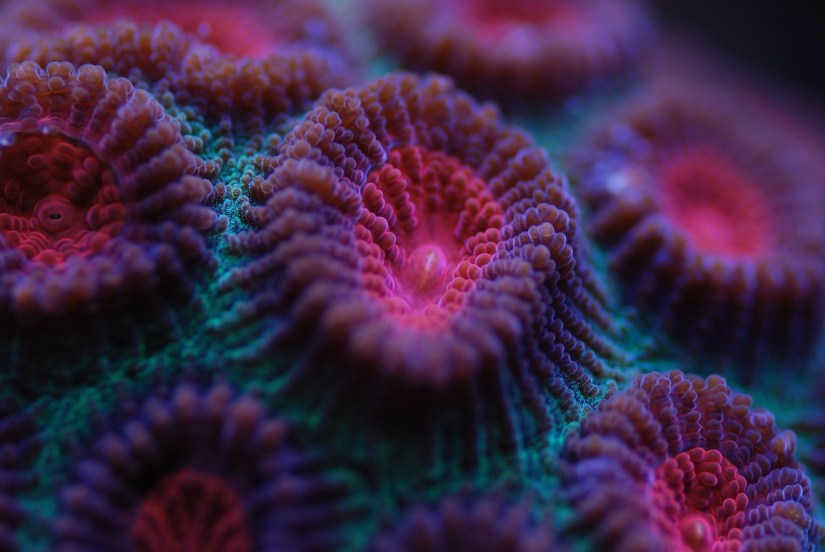
Coral might look like colourful rock candy glued to the seafloor, but surprise! It’s made of thousands of tiny animals called polyps. These little critters — no bigger than a grain of rice — are part jellyfish, part master mason.
Each polyp builds its own limestone cup (kind of like a snail with a love of architecture). Together, they form vast colonies that grow into coral reefs — the giant, bustling marine metropolises of the ocean.
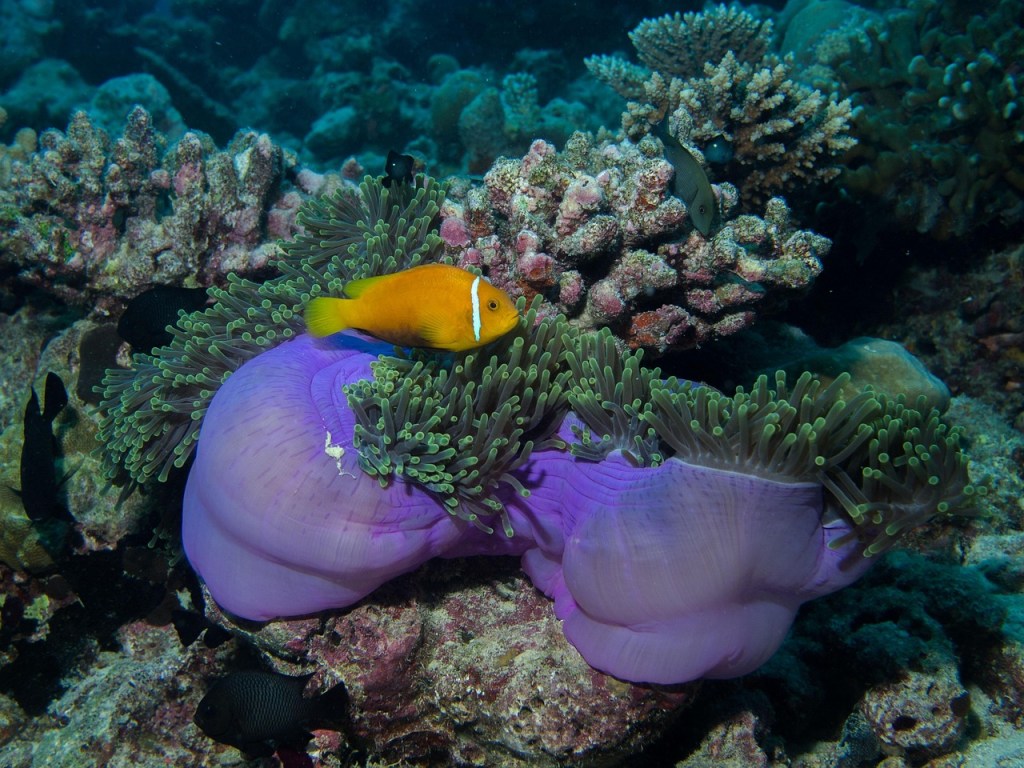
Even more amazing? Coral polyps have a secret roommate: a type of algae called zooxanthellae. These microscopic plant-like buddies live inside the coral’s tissues, providing food through photosynthesis. It’s a perfect flatmate situation — the algae get a safe home, and the coral gets fed. In Ecology, this is called symbiosis, it’s a Win-win!
Well… Until the water heats up — but more on that in a tick.
Coral Reefs: The Cities That Never Sleep
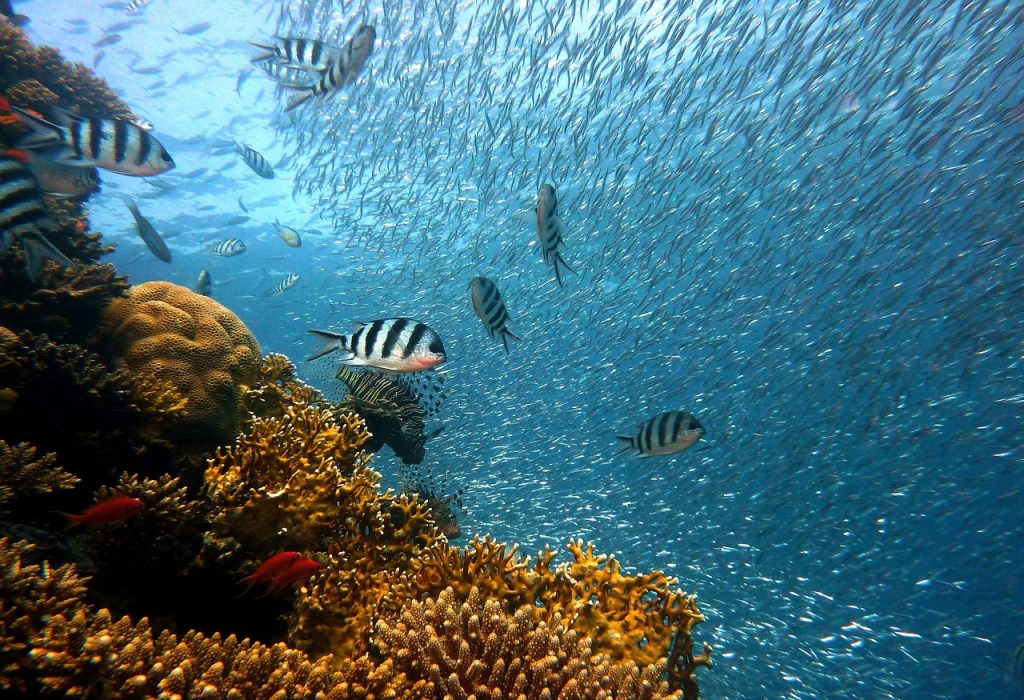
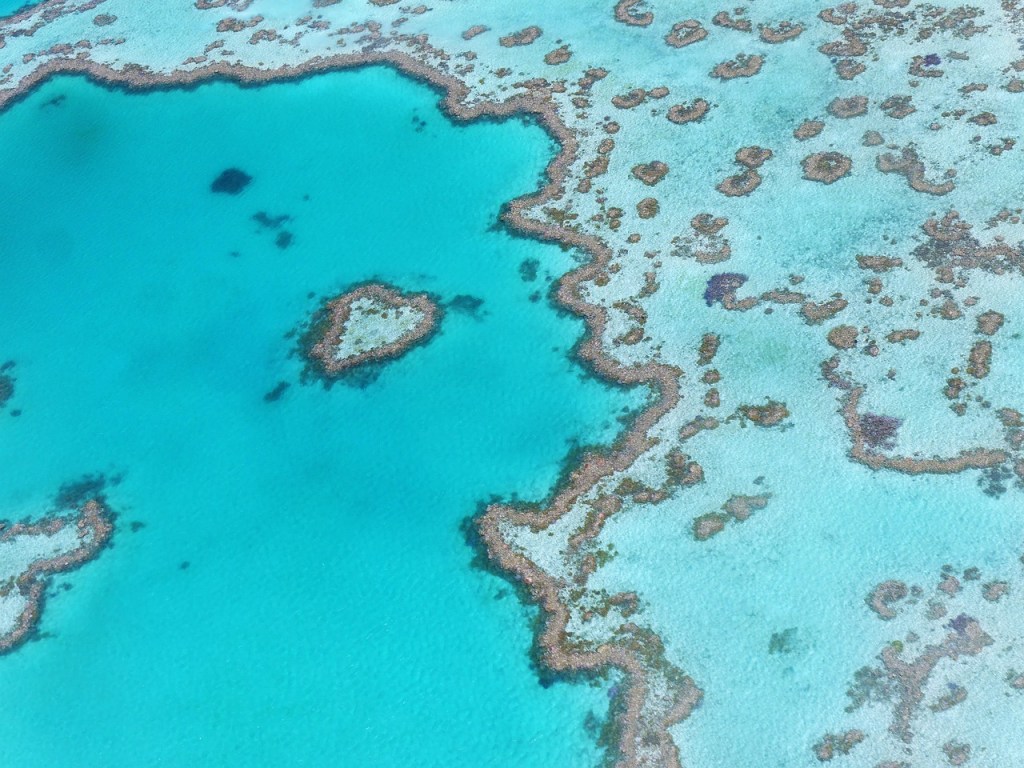
Coral reefs are like underwater cities during a street festival — full of colour, movement, and life. Even though they cover less than 1% of the ocean floor, they support over 25% of all marine life. That’s a quarter of the ocean’s species sharing the reef real estate!
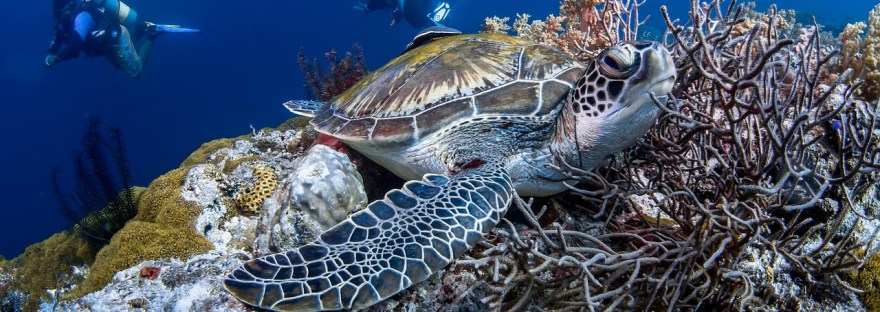
Fish in neon brights, camouflaged crustaceans, sea turtles, starfish, nudibranchs (Google those if you want to see some truly fabulous sea slugs), and even sharks — all rely on coral reefs to live, feed, and breed.
It’s no wonder coral reefs are called the rainforests of the sea. Except, well, with fewer leeches and a lot more fish that look like they’ve escaped from a tropical disco.
Why Should Humans Care?
When I snorkelled Lady Musgrave Reef, one of the pristine coral cays in the Southern Great Barrier Reef, I was absolutely mesmerised. The electric blue tangs darting between coral towers, the graceful sway of anemones, and curious turtles gliding past — it felt like I was floating inside a living kaleidoscope. It’s something I’ll never forget.
Aside from being jaw-droppingly beautiful, coral reefs are super handy for us land-dwellers too:
They’re nature’s coastal bodyguards, absorbing wave energy and reducing storm damage and erosion.
Over 500 million people depend on reefs for food, fishing income, and tourism.
Coral reefs are even pharmaceutical treasure troves, with scientists studying reef organisms to treat cancer, arthritis, bacterial infections, and more.
So next time you’re sipping a fruity drink on a tropical beach, spare a thought for the reef that’s keeping the waves at bay — and maybe even helping future you stay healthy.
Trouble in Paradise
Now, here’s where things get a little heavy. Like every great kingdom, the coral realm is under threat.
Climate Change and Coral Bleaching
Remember those algae roommates we mentioned? Coral needs them to survive. But when ocean temperatures rise, coral gets stressed and evicts the zooxanthellae. The result? Coral bleaching — the coral turns ghostly white and, without its algae, slowly starves.
It’s not just a fashion statement — it’s a warning sign. Prolonged bleaching can lead to widespread reef die-off.
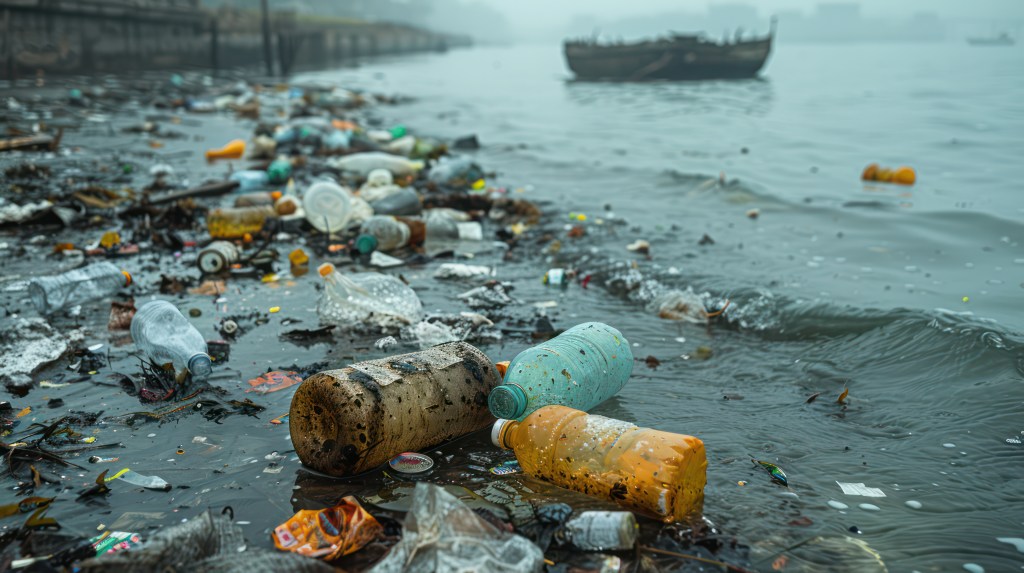
Corals are being choked by plastic debris, which can block sunlight and leach toxins into the water. Even our sunscreens are part of the problem — many contain chemicals like oxybenzone that damage coral DNA.
Yep, your holiday SPF might be giving the reef a headache.
Overfishing
Every reef has its food chain, and overfishing throws it out of whack. For example, parrotfish (the guys who chomp on coral and poop out sand — you’re literally sunbaking on their handiwork) help keep algae from smothering the reef.
Remove too many of them and the algae builds up quickly, smothering the coral until it can’t breathe. Without grazers like parrotfish, the reef struggles to stay healthy.
But Don’t Panic — There’s Hope!
Now for the good news: we can all help keep the Kingdom of Corals alive and thriving. No flippers required!
Here’s what you can do:
Reduce your carbon footprint: Ride a bike, use public transport, eat less meat, and switch to renewables where you can.
Say no to single-use plastics: Bring your own bags, bottles and straws. Skip the cling wrap.
Choose sustainable seafood: Look for the Marine Stewardship Council (MSC) or similar certifications such as the Australian Sustainable Seafood Guide.
Use reef-safe sunscreen: Check labels for oxybenzone and octinoxate, and avoid them.
Support reef conservation: Donate to organisations or volunteer with marine projects.
Remember, even the smallest actions ripple out — just like waves on a healthy ocean.
Dive Deeper — Watch the Kingdom of Corals Come to Life!
Want to see the reefs in full technicolour? Check out my video “Kingdom of Corals” on Critter Quest Earth via the link below. My YouTube channel’s packed with adventure and the magic of nature! And, for more wild stories and science fun the whole family can enjoy, don’t forget to subscribe to my blog.
From the reef to the rainforest, we’re just getting started!
Please subscribe to receive my latest posts about nature & science straight to your email inbox. 🌏👩🏽🔬😀
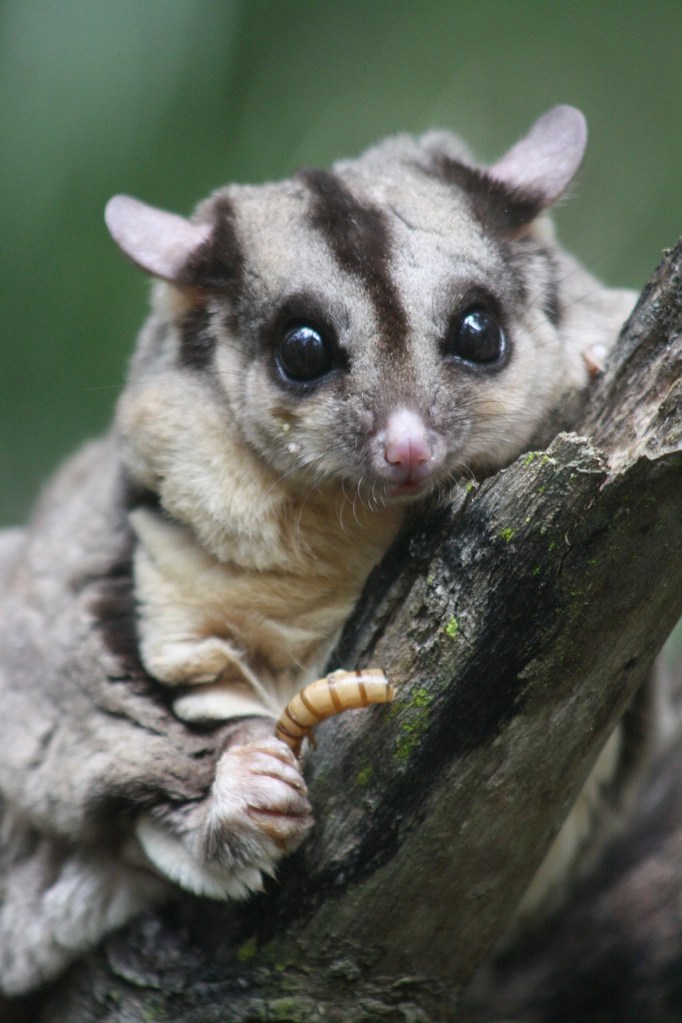
The first time I saw a sugar glider leap through the trees, it didn’t feel real. One moment it was perched quietly on a branch — the next, it was sailing through the dusk like a tiny, furry kite. Australia’s marsupials aren’t just adorable. They’re evolutionary marvels.
But many of them are disappearing before most of us even learn their names.
If you’ve ever felt a quiet awe for the natural world — and a growing worry that we’re losing it — you’re not alone. This blog is for people who want to understand, not just scroll.
Please, subscribe now to discover Australia’s hidden wildlife stories and the science behind saving them.
G’day Nature Lovers!
Have you ever wondered what incredible creatures call Australia home? If you’ve ever found yourself asking, “What exactly is a marsupial?” or simply enjoy watching kangaroos bounce about like nature’s pogo sticks, you’re in for a treat.
Here in the land down under, we’re lucky enough to be surrounded by some of the most unique animals on the planet. From kangaroos and koalas to quolls and dunnarts (say that five times fast), Australia is a marsupial wonderland!
Squirrel Glider
What Makes a Marsupial, a Marsupial?
Let’s start with the basics. Marsupials are a special group of mammals known for one iconic feature: the pouch. That’s right — it’s not just for show. Mother marsupials carry and nurse their young in a pouch, giving their little joeys the best start in life. Unlike placental mammals, marsupial babies are born incredibly underdeveloped and must crawl into the pouch to continue growing.
So next time you see a joey’s head poking out of a kangaroo’s pouch, just know you’re witnessing one of nature’s most fascinating parenting techniques. It’s like a mobile nursery — talk about multitasking!
Our Hopping, Climbing, Burrowing Heroes
Now, let’s meet some of the stars of the marsupial kingdom:
Kangaroos are the high-jumpers of the animal world. With legs built for bouncing and tails made for balance, these iconic Aussies can leap over three metres in a single bound. That’s more than the height of your average front yard tree!
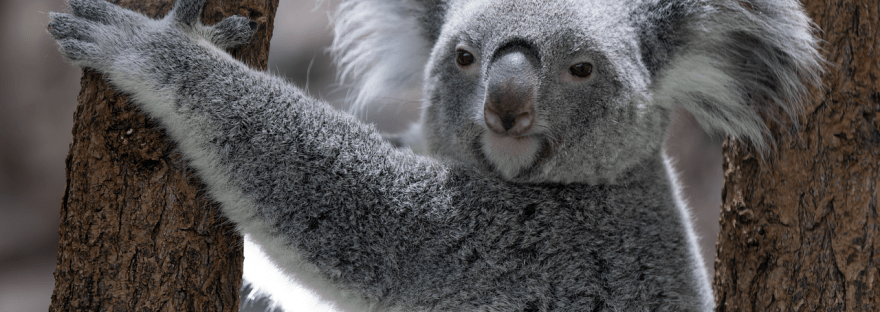
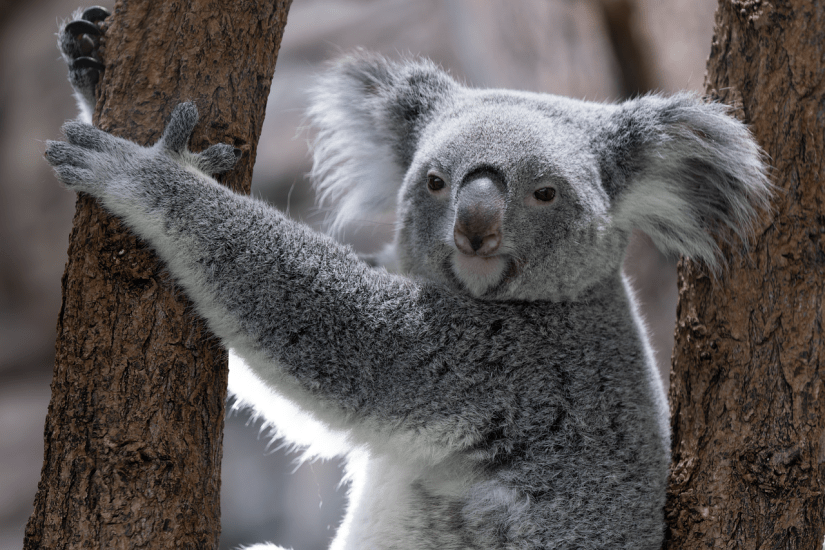
Koalas, our eucalyptus-munching tree-huggers, are nature’s sleepyheads. They spend up to 20 hours a day snoozing — and when they’re not napping, they’re munching on eucalyptus leaves, which are both their food and water source. Talk about low-maintenance!
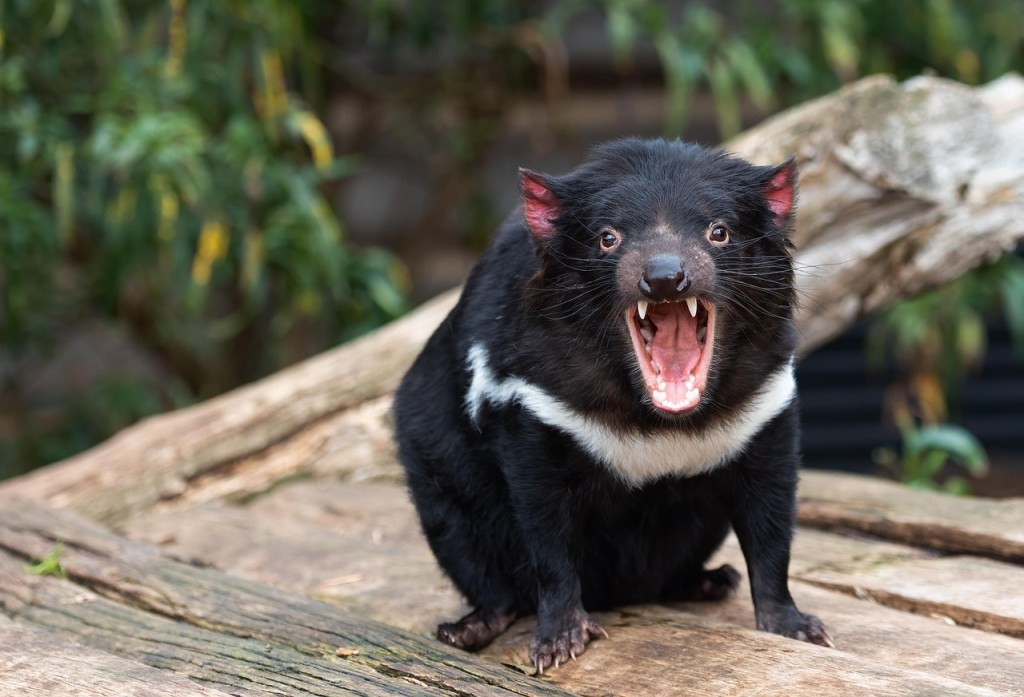
Then we’ve got the Tasmanian devil, a loud little legend with a powerful bite and a critical role in keeping our forests clean by devouring carrion. And no, they don’t spin around in tornadoes (sorry, cartoon fans).
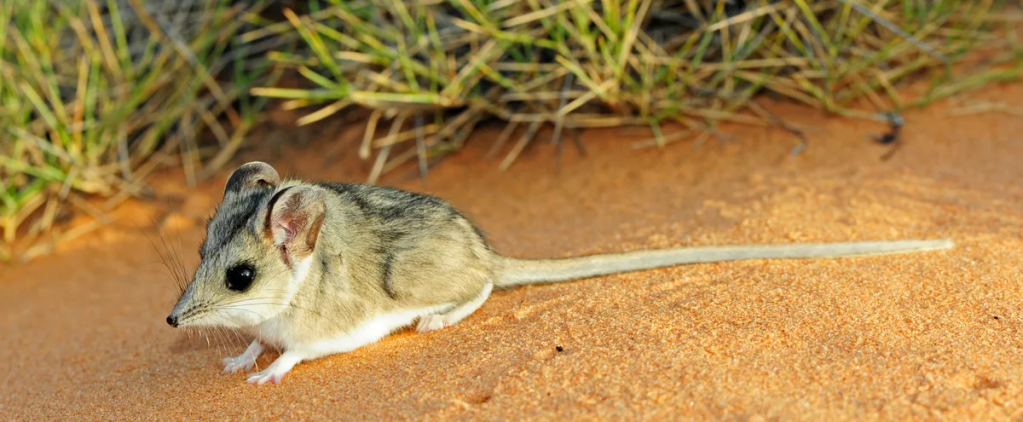
Sandhill Dunnart (Sminthopsis psammophila)” by Alinytjara Wilurara Landscape Board, via Landscape SA, licensed under CC BY 3.0 AU.
Spotted Quoll
Don’t forget about the smaller marsupials too! Dunnarts are tiny insectivores that hunt at night, and quolls are agile predators with a spotted coat and a keen nose. These lesser-known marsupials are just as marvellous — think of them as the indie rockstars of the marsupial scene.
Why Marsupials Matter
Marsupials aren’t just cute — they’re essential to Australia’s ecosystems. Each species plays a role in keeping the balance:
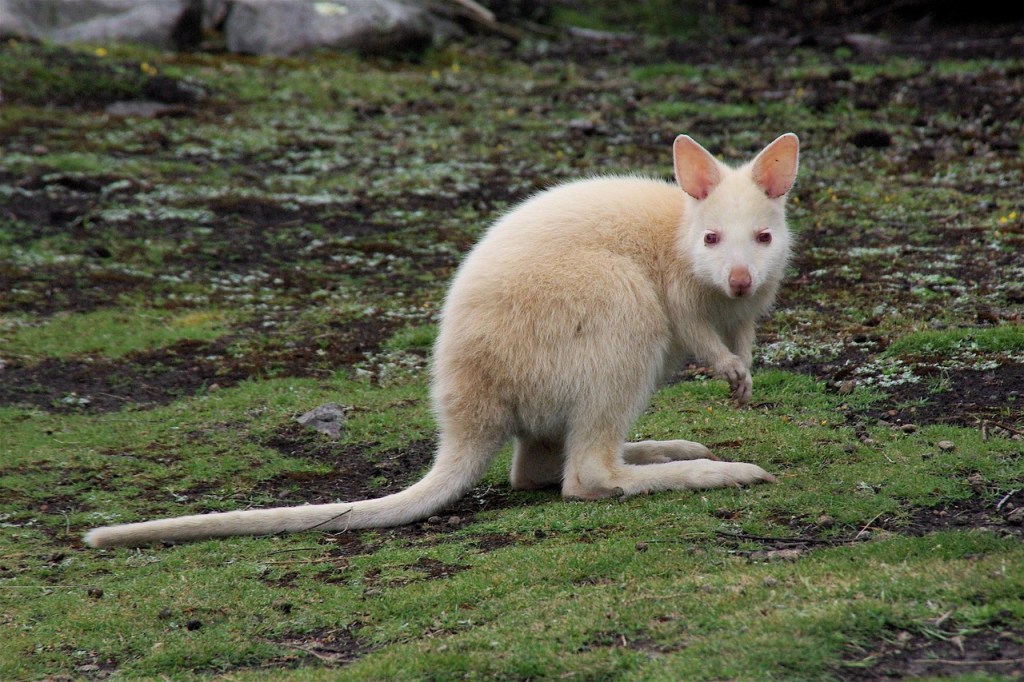
Wombats, and wallabies are nature’s landscapers, helping to spread seeds and aerate the soil.
Possums act as insect control and pollinators.
Carnivorous marsupials like Tasmanian devils are nature’s clean-up crew.
In a way, they’re like the behind-the-scenes crew of a wildlife production — you might not always notice them, but nothing would work quite right without them.
Southern Hairy-Nosed Wombat
Possum
Facing the Threats
Unfortunately, our marsupial mates are under threat. Habitat loss, introduced predators, climate change, and disease are putting many species at risk. From shrinking forests to deadly bushfires, their homes and food sources are disappearing.
The good news? There’s hope. Conservation efforts across Australia are working hard to protect marsupial habitats and educate communities. And that includes you! By learning, sharing, and supporting, you’re part of the solution.
So next time you see a kangaroo on a country drive or a possum in your backyard, give a little nod of respect. These incredible animals are part of Australia’s natural story — and they need all of us to help write the next chapter.
Let’s Keep the Curiosity Hopping!
Loved this quick marsupial deep-dive? Then you’re in the right place. Subscribe to my blog, W. A. Greenly, for more fun and family-friendly nature facts, Aussie wildlife wonders, and ways you can help protect the planet — one post at a time.
And don’t forget to hop over to my YouTube channel, Critter Quest Earth, where you’ll find vibrant, bite-sized videos packed with colour, fun, and science. The marsupial video this article is based on is only 1.5 minutes long — perfect for kids, classrooms, and anyone who loves a quick nature fix!
Together, we can spread the joy of Australia’s wild world, one joey, wombat and giggle at a time.
Thanks for stopping by! Until next time — stay curious, stay kind to nature, and keep adventuring with your eyes wide open. There’s a whole wild world out there waiting to be discovered.
– Mr Greenly
Please subscribe to receive my latest posts and videos all about nature & science straight to your email inbox. 🌏👩🏽🔬😀
Did you know fungi connect entire forests through a vast underground network — like nature’s very own internet? Most people don’t realise how crucial mycelium is to the health of our planet. But understanding this hidden world can change how we see ecosystems, climate resilience, and even ourselves.
If you want to uncover the fascinating science behind the “Wood Wide Web” and learn why fungi might hold keys to solving some of our biggest environmental challenges, you’re in the right place.
Please, take a second and subscribe now to join our community. You’ll recieve clear, evidence-based insights about fungi and how they impact climate and biodiversity straight to your inbox.
The Amazing World of Fungi and Mycelium: A Fun, Family-Friendly Dive Beneath Your Feet
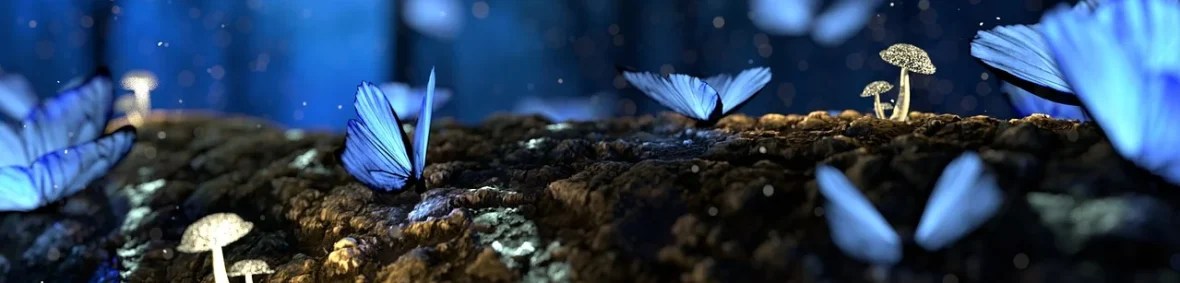
What if we told you that right beneath your feet, a secret world was quietly working its magic? A world of colourful organisms, glowing mushrooms, and an underground internet made of living fibres. No, it’s not science fiction. It’s fungi – one of the planet’s most fascinating and unsung life forms.
Welcome to my blog, where I dig deep (sometimes literally) into the marvels of the natural world. Today, we’re diving head-first into the enchanting and often hilarious world of fungi. And yes, there will be mushroom puns. You’ve been warned.
What Are Fungi, really? (Hint: Not Just Mushrooms on Pizza)
If someone says “fungi” and your first thought is pizza toppings or the mouldy bread at the back of the pantry, you’re not alone – but you’re definitely missing out. Fungi are actually part of a completely separate kingdom of life, distinct from plants and animals. That’s right, these squishy wonders have their own corner in nature’s family tree.
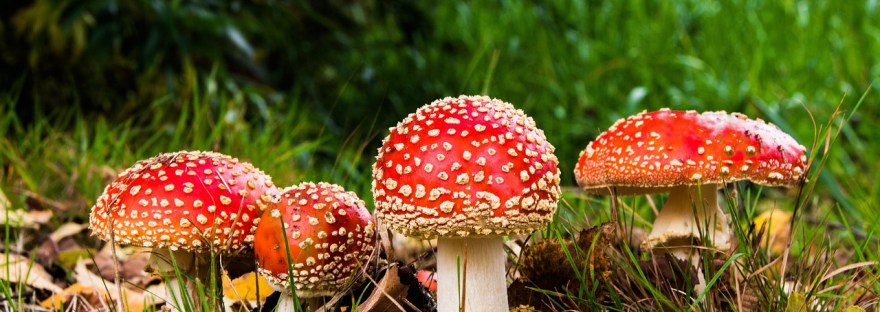
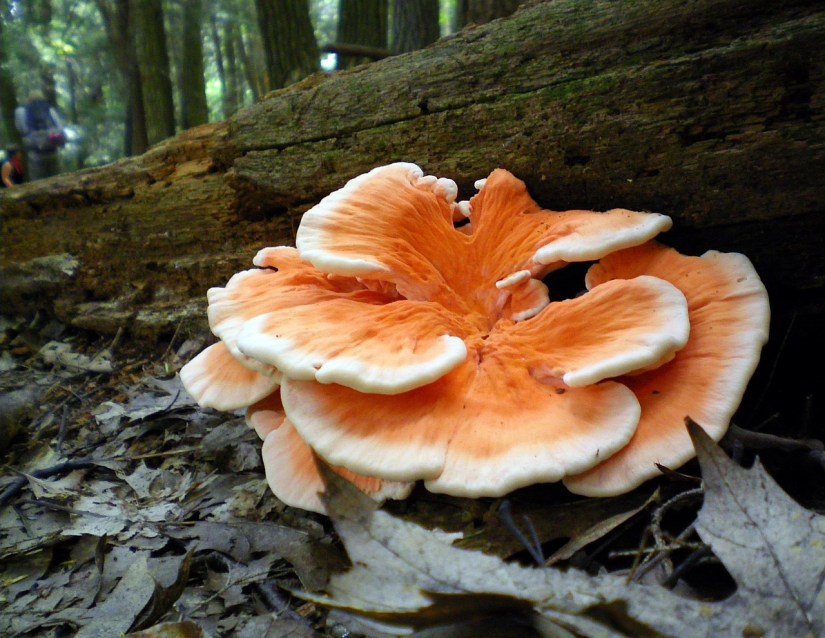
From glowing bioluminescent mushrooms that light up forest floors like tiny lanterns to rainbow-hued caps in every shape imaginable, fungi are anything but boring. Some look like antlers, others like mini parasols, and a few could easily pass for something out of a science fiction flick. You’ll find them thriving in Tassie’s lush rainforests, dotting the red earth of the outback, and nestled in your local bushland.
And the next time you’re out on a family walk, challenge the kids to a fungi-spotting competition. You’ll be surprised how many are hiding in plain sight.
Mycelium: Nature’s Internet (And the Wood Wide Web)
Now, here’s where fungi take it to the next level. Beneath the soil, hidden from view, lies the mycelium – an underground network of fine, thread-like fibres connecting plants, trees, and fungi alike. Picture the internet, but biological and way more ancient.
This isn’t just some fancy fungal footpath. It’s nature’s ultimate communication system. Trees can send nutrients through the mycelium, warn each other of danger, and even support struggling neighbours. Scientists have dubbed it the Wood Wide Web, and we’re not even joking – it’s that clever.
Imagine eavesdropping on a chat between two trees: “Oi, mate, aphids again.” “No worries, here’s some extra sugar – hang in there.”
Okay, maybe it’s not quite like that. But the truth is just as incredible.
Fungi: The Quiet Superheroes of the Ecosystem
While they might not fly or wear capes, fungi are genuine ecological heroes! These decomposers work tirelessly to break down dead plants, logs, and leaf litter. Without fungi, we’d be knee-deep in forest gunk and debris – basically, Mother Nature’s dirty laundry pile.
By recycling organic matter into rich, nutritious soil, fungi keep ecosystems balanced and thriving. That soil feeds plants, plants feed animals, and well… you get the idea. It’s all connected, thanks in no small part to these humble heroes beneath the surface.
Next time you’re in the garden or out bushwalking, take a moment to think: is that little mushroom the reason this whole patch of green is alive and well? Probably.
The Threats Facing Our Fungal Friends
Sadly, not all is spore-capped sunshine in the world of fungi. Like many parts of our natural environment, fungi are under threat from habitat destruction, pollution, and climate change.
When the forests go, the fungi go with them. And when fungi disappear, the entire ecosystem starts to unravel – kind of like yanking out the wrong Lego piece from a delicate tower.
It’s easy to forget about the little guys underfoot, but they’re absolutely essential. That’s why conservation efforts are starting to pay more attention to fungi, and why we should all do the same. Protect the habitat, and you protect the web.
Before We View the Video, Let’s Recap – and Let’s Get Out There!
So, to recap for all the kids (and grown-up kids) at home:
Fungi are their own kingdom, not just plants in disguise.
Mycelium is the forest’s underground internet, helping plants and trees stay in touch.
Fungi break down dead stuff and keep ecosystems running like clockwork.
They’re threatened by human activity and need our help.
Also, glowing mushrooms are real. You’re welcome.
If that’s not worth getting excited about, we don’t know what is.
So, pop on your hiking boots, pack a snack, and head into the wild. Whether you’re in the Dandenong Ranges, Kakadu, or your own backyard, you might just stumble across a mushroom that’s more important than it looks.
Remember, don’t pick or poke – fungi are fragile, and many are protected. Take photos, admire their colours, and maybe even name them something silly like “Sir Spore-a-lot”.
Join the Wild Side!
Loved learning about fungi? Want to give nature a helping hand? Too Easy!
Subscribe to Mr. Greenly’s Blog to get fun, family-friendly nature facts delivered straight to you. Share it with your mates, your nan, your teacher — anyone who loves our wild world.
Join the Critter Quest Earth crew on YouTube for more weird, wonderful wildlife and cheeky eco-adventures. It’s fun, educational, and perfect for curious minds of all ages.
So go on — subscribe, share, and explore! And remember, there’s always mush-more-room for discovery.
Please subscribe to receive my latest posts and videos all about nature & science straight to your email inbox. 🌏👩🏽🔬😀
Once a month my local writing group sets a theme for a piece of writing each member will submit. This month’s topic was “Brave New World”.
Brave New World
‘Welcome passengers to Brave New World Futurelines maiden future flight, flight BNWF001. The first-ever flight taking you into the future,’ announced the voice over the in-flight PA system.
The announcement certainly didn’t go unnoticed as everyone on board, bar me, clapped in recognition of what was to be a truly historical journey. Our plane was not too dissimilar to most planes, full of excited passengers and their carry-on luggage, knowing exactly where they were going and when they’d get there. Except, when most planes take off, the passengers on board expect to arrive at their destination within an hour or two, maybe more. Not our plane. Our plane would set down again in just a few minutes time according to our watches, but in the year 2165, some one hundred and forty years from when it departed.
‘This is your captain speaking, today we are expecting smooth time travelling conditions, little if any timebulance, and we will set down as per schedule in the year 2165 in around about fourteen minutes from now. I’ve just been in contact with Sydney Futureport and as pre-empted, they’re expecting our arrival. The tarmac will be clear, and we expect no delays. Sit back, enjoy the futureflight, and dream of a wonderful time in the future.’
Even with just fourteen minutes, I planned to do just that. I’d already located the complimentary inflight magazine and began flicking the pages.
Climate Change. Over Exploitation. Plastic Pollution. Overpopulation.
‘Ugh! No thanks!’ I announced in disgust. As per usual, the headlines were rather distasteful. Gladly, I wouldn’t have to worry about all that where I was going, and I wasn’t going to spend my time reading about it on this futureflight either. I swapped the inflight magazine for the headset I’d located in the back pocket of the seat in front of me and I was just sliding them over my ears when…
‘Exciting isn’t it,’ said the small lady sitting beside me.
In an effort to show I wasn’t interested in idle conversation I overaccentuated the lifting of the headphone from my left ear as I leant closer.
‘Sorry, what’s that?’
‘Exciting isn’t it,’ repeated the lady, her grin almost as wide as the Futureplane was long.
‘Oh yes, indeed,’ I agreed, before quickly turning away and releasing the headset back onto my ear.
By shutting my eyes and leaning back into my chair I thought I had made it obvious I wasn’t up for idle chit-chat. I still heard the woman’s muffled voice saying something, possibly along the lines of ‘What if we aren’t the first to arrive’. But, I wasn’t even sure if she was speaking to me, and I certainly wasn’t opening my eyes to find out. A few more moments passed, and I’d barely flicked through all the optional channels and decided on something before the sound cut out and the Captain’s voice rang over the PA once again.
‘Passengers, we are now reducing time travelling speed and we will be appearing on Sydney Futureport future strip in under around thirty seconds. We hope you’ve had a memorable flight and wish you all the best in the future.’
Just as the captain instructed, about thirty seconds from his announcement the seatbelt light switched off and the cabin door opened. Within a few seconds, the other passengers and I on Brave New World Futurelines maiden future flight were scurrying across the tarmac. We followed the painted arrows on the ground to where they stopped just short of a set of electronic doors not too dissimilar to those we were used to.
‘Hello future migrants, welcome to 2165,’ said a softened electronically charged voice as a small light mounted on the eve above the doors flashed reds and greens in unison with it.
‘Have your passports ready and your medical clear…,’ suddenly, the electronic voice cut out.
We all stood there staring at the small light, not knowing what to do. We waited, half expecting the voice to begin talking again. A couple of minutes went by before a frazzled man approached the door from the inside. We watched as he took a set of keys from his pocket trying a few before using his arms to pry the doors open.
‘Sorry everybody,’ he said. ‘The future is not short of technical problems.’
Just as he paused, the small light dropped out of the eave above his head and hung there, dangling by a lone wire.
‘Or financial problems,’ added the man as he peered up. ‘Everyone, please have your passports and medical clearances ready and follow me. We’ll get you all checked in within a jiffy.’
As we followed, we all sifted through our pockets and carry-on luggage in search of the documents he’d requested we have ready. Looking around, it became obvious that not much was different in this present from the one we’d left a little over six minutes ago. The futureport seemed similar to the airports from 2025. There were possibly some technological advances, all be it in need of repair, and there seemed to be more of a security and police presence. But apart from that, not much seemed different.
‘Here we are then,’ said the man as he stopped by a tall counter that separated us from the attendants sitting behind.
Standing there waiting to be served reminded me of waiting for service at the bank as the attendants were separated from us by not only the tall counter but a thick, glass security screen. The only difference being, here there were several armed security guards observing us.
‘Who’s next?’ asked one of the attendants, raising her arm.
During the short walk from the doors where the man had met us to the desk, I’d been sure to get in front of everybody. I stepped forward. I hoped to speed things up by placing my passport and medical clearance down on the desk face up ready for the attendant.
‘Just off of flight BNWF001, the first flight ever to leave the past,’ I announced proudly. ‘Frank Laidlaw’s the name.’
However, the attendant didn’t seem impressed. She just gave me the faintest of smiles, looked back at her screen, and processed my documents.
‘Ah, okay then. Well, I’ll be needing to book a flight back to the past,’ I said as I looked around. ‘Where can I do that?’
The attendant looked over toward me, then directly at the group of security guards standing nearby.
‘Sir, I regretfully inform you that here in the year 2165 time travel is outlawed. Has been for some decades now,’ explained the attendant.
Immediately I was taken back. How would I ever get back? There must be some way! But voicing these questions and concerns to the attendant didn’t get me anywhere.
‘Sir I’m going to have to ask you to calm down.’
Then I noticed two of the security guards heading over.
‘But there must be some way? There must be something you can do?’
The security guards now stood right by me on either side.
‘I’m finished with this one,’ said the lady, holding out my documents.
But before I could, one of the security guards reached forward and took them from her.
‘Right, come on sir, we’ll show you the way.’
This time I stayed quiet as both the men who now escorted me seemed to be the type not to argue with. They led me out the front door of the futureport where a couple of police officers took up tail following behind, and right up to a large police bus that sat out the front. Strangely, there were several of these lined up, all in a row one behind the other.
‘Right, on you get,’ announced one of the officers from behind me.
‘What?’ I responded in shock. ‘This can’t be, I haven’t done anything. If I was rude in there I apologise. Just let me go and I’ll find some accommodation nearby and be out of your hands.’
‘Ha!’ scoffed the officer. ‘Wrong place, wrong time!’ he mocked me. ‘Typical entitled pasty. You time jumpers just think you can rock up anywhere and live free without causing anyone any issues do you? All while our time suffers, overflowing with pastys like yourself looking to experience the wonderful future. Well, your future is our present, and you’ve ruined it!’
The look of disgust on the pair of officers’ faces was frightening. I didn’t know what to say, and I hadn’t the chance before the security guard shoved me through the door and onto the awaiting bus.
‘Accommodation you say,’ added the other officer as he looked at my passport before he tossed it on board. ‘Well Frank Laidlaw, we’ve got your accommodation sorted!’
‘Oh, thank heavens,’ I said in relief.
‘The timegration camp north of here!’ said the officer, before shutting the door swiftly and locking it behind me.
As I sat there pondering what had just occurred, the other passengers from flight BNWF001 arrived one after the other, each just as shocked as me. It occurred to me, that the woman I had set next to during the futureflight was right. While we were on the first plane that took off destined for the future, it was obvious now we most certainly weren’t the first to arrive here from the past.
Please subscribe to receive my latest posts about nature & science straight to your email inbox. 🌏👩🏽🔬😀
We all know that movies and TV shows come and go, and while many create quite a buzz, others stand the true test of time.
The movies or TV shows that have influenced my path and fostered a love for animals and the environment are, in my opinion, the best ones of all! Below I will share them with you in the hope that you are inspired to pass them on to your children, your family and your friends. At the very least, I hope to share the nostalgia and perhaps you’ll even dust a few off and re-watch them for yourself.
So, here’s my top 20 kids’ movies and TV shows (without spoilers) that taught me (and many others) about animals and the environment before I was old enough to explore it myself. I hope and believe they will do the same for you and your children!
Enjoy the trip down memory lane with these pre-2003 classics.
Comment below to let me know what you think – or if I have forgotten any classics!
Don’t forget to subscribe for more fun and factual environmental articles 🙂
Note: I have included the ratings for each as instructed by the Australian classification, but as goes for most things, I encourage parents to always make their own decisions and assess them before allowing a child to watch them.
#20 Charlotte’s Web, 1973 (G).
Main Lessons:
Animals have feelings and need love and care.
Sympathy and compassion for animals.
Friendship with and a love for animals.
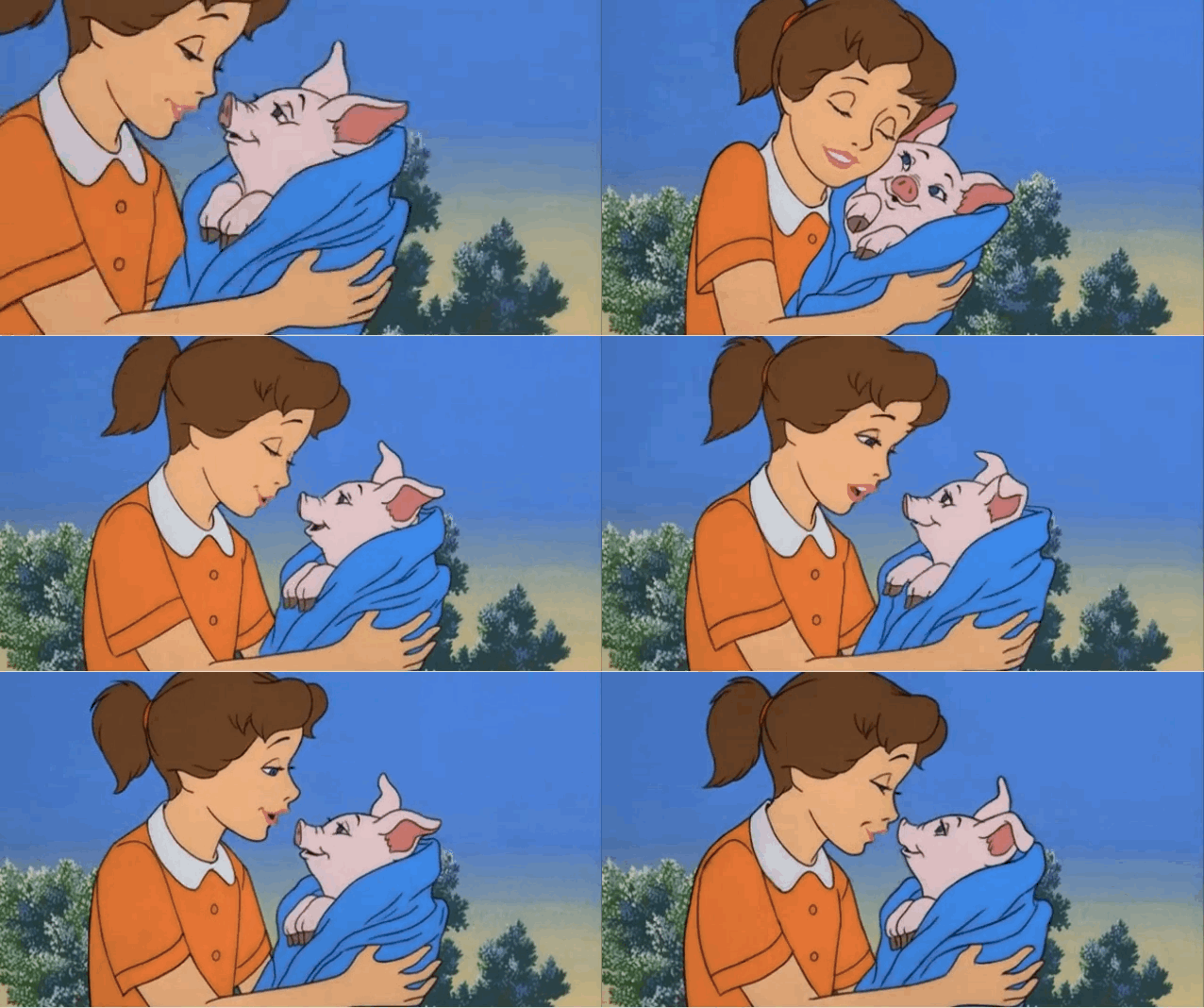
So, number 20 hey, Charlotte’s Web? What is this doing here? Controversial I know! The agriculture industry is currently surrounded by much debate, and probably the least likely place for an environmental award. But Charlotte’s Web is the vessel for probably the most important and earliest messages and lessons any child (and future environmentalist) should learn: sympathy and compassion for animals (including farm animals and spiders). If you are like me, then you love Charlotte’s Web! And have probably cried many, many, many times watching it. I can assure you that this movie instilled a compassion for animals in little young me!
E.B. White’s beloved children’s tale is brought to life in this animated film, which finds the young farm pig Wilbur attempting to avoid a dire fate. Of all the barnyard creatures, Wilbur’s staunchest ally is Charlotte, a thoughtful spider who devises an intriguing plan to keep the gentle little swine out of the slaughterhouse. Although Charlotte’s efforts, which involve words written in her delicate web, seem far-fetched, they may just work.
Even big, scary, extinct animals started small (ish), innocent, and sometimes, cute.
Mysteries of prehistoric animals.
Adventure and Exploration.
A gateway into the world of dinosaurs, fossils and palaeontology.
The mystery of the natural world and the creatures it is (was) home to.
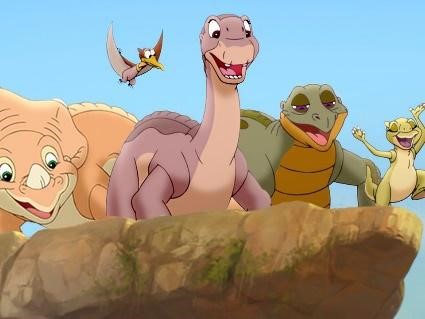
Number 19, The Land Before Time. This movie gives young children an important connection to the animals we possibly know the least about, the extinct ones. Be sure to have tissues on hand! So, so, sad!
Littlefoot, a young plant-eating dinosaur, and his protective mother are torn apart while trying to escape a vicious carnivore. Littlefoot receives some information from his mother explaining how to get to the legendary Great Valley, where he will be reunited with others of his kind. With his friend Cera, Littlefoot sets out for the fabled land, meeting a variety of new friends along the way while also being tracked by the carnivorous dinosaur that will not give up the chase.You can purchase The Land Before Time on DVD here: https://www.amazon.com.au/Land-Before-Time-1-3/dp/B01FR38J84/ref=sr_1_1?keywords=land+before+time+dvd&qid=1574941937&sr=8-1
#18 The Adventures of Blinky Bill, 1992 (G).
Main Lessons:
Adventure awaits.
Habitat loss (land clearing, encroaching)
The magic of the natural world and the creatures it is home to.
Friendship with and a love for animals.
Importance of protected areas for animals.
To really get the ball rolling at number 18 it’s Blinky Bill, a much-loved Koala and children’s fictional character who can be both adventurous and somewhat mischievous. In series 1 Blinky Bill and his animal friends Nutsy the koala, Splodge the kangaroo, Flap the platypus, and Marcia the marsupial mouse rebuild the community in their home of Greenpatch after its destruction by humans and come to terms with their new neighbours, the ill-famed Dingo family.
Blinky Bill was created by Author and illustrator Dorothy Wall. The books are now considered quintessential Australian children’s classics which have never been out of print in Australia. Blinky Bill is an iconic Australian character who has been a friend to many generations of Australians through the books and of course the television series which kicked off in 1992. Producer/director Yoram Gross describes Blinky as having ‘… all the qualities of a true Australian larrikin – fiercely independent, eternally mischievous and brave far beyond his size’.
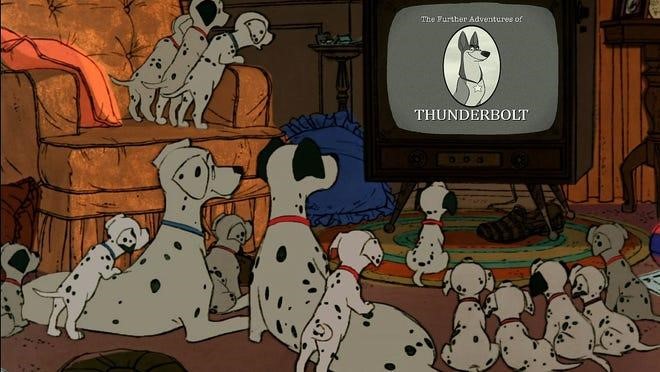
Perhaps you didn’t expect 101 Dalmatians would appear on this list but starting with small lessons is important and what greater way to engage children than the familiarity of dogs, which are friends to all.
In number 17, Dalmatian Pongo is tired of his bachelor-dog life. He spies lovely Perdita and manoeuvres his master, Roger, into meeting Perdita’s owner, Anita. The owners fall in love and marry, keeping Pongo and Perdita together too. After Perdita gives birth to a litter of 15 puppies, Anita’s old school friend Cruella De Vil wants to buy them all. Roger declines her offer, so Cruella hires the criminal Badun brothers to steal them so she can construct a fur coat.
Animals are smart and with enough effort, we can communicate with and/or understand them.
Importance of animal care and rehabilitation.
Friendship with and love for animals.
Importance of animals to live in their natural habitats.
The magic of the marine environment and creatures that inhabit it.
Adventure and exploration.
Number 16, Flipper (the original). Ok so admittedly this one, like a few others here, is well before my time, but it was also happily passed down to me by family. If you are currently living in Australia or grew up here, you may be more familiar with the 1996 version and remake starring Paul Hogan and Elijah Wood (also good fun), but all accolades here must go to the original.
In the Florida Keys, local 12-year-old boy Sandy Ricks comes across a dolphin that has been pierced by a harpoon. Rushing to help the poor animal, Ricks saves the dolphin’s life, cares for it until it regains its health and names it Flipper. Having grown close to Flipper through the healing process, Sandy is disheartened when his fisherman father wants Flipper to return to the ocean. However, their bond proves itself once more in another life-saving moment.
“Fish aren’t meant to be in a box” (not in captivity)
Dangers of overexploitation.
Dangers of pollution.
The magic of the marine environment and creatures that inhabit it.
Adventure and exploration.
Animals are friends.
Unfortunately, since the release of this movie there has been observed declines in numbers of particular species of reef fish due to poaching. However, regardless of the opportunity it seems to have highlighted to some people, with the right guidance, others can take some very important lessons from this tale.
At number 15, you meet Marlin, a clownfish, who is overly cautious with his son Nemo, who has an undersized fin. When Nemo swims too close to the surface to prove himself, he is caught by a diver and Nemo’s horrified father Marlin must set out to find him. Dory, a blue reef fish with short-term memory, joins Marlin and complicates encounters with sharks, jellyfish, and a host of ocean dangers. Meanwhile, Nemo plots his escape from a dentist’s fish tank.
We (humans) are not that different from the animals we share common ancestors with.
Gorillas are not that different from us, and they are smart (and curious).
The threat of hunting and encroaching to animals.
The magic of the forest environment and creatures that inhabit it.
Love for animals.
Adventure and exploration.
Animals need our protection.
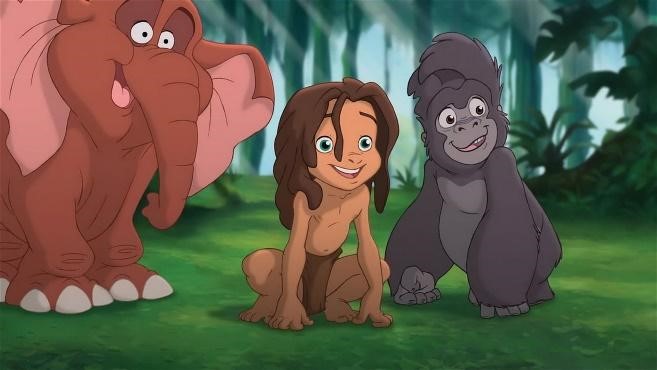
If you like adventure, animals, muscular cartoon characters, romance, a bit of a cry, oh and Phil Collins (who doesn’t?), you must see this movie! At number 14, I present Tarzan.
Tarzan is a 1999 American animated adventure film produced by Walt Disney Feature Animation for Walt Disney Pictures. The 37th Disney animated feature film, the tenth and last released during the Disney Renaissance era. It is based on the story Tarzan of the Apes by Edgar Rice Burroughs, being the first animated major motion picture version of the story. In this Disney animated tale, the orphaned Tarzan grows up in the remote African wilderness, raised by the gentle gorilla Kala. When a British expedition enters the jungle, Tarzan encounters the beautiful Jane and recognizes that, like her, he’s human. Falling in love with Jane, Tarzan is torn between embracing civilization and staying with his gorilla family, which becomes threatened by the ruthless hunter Clayton. The addition of a soundtrack written by Phil Collins and a heart-wrenching plot makes this movie a real tear-jerker.
Importance of reintroducing animals to their natural habitats as soon as possible.
The magic of the marine environment and creatures that inhabit it.
The fishing industry.
I can’t believe that this movie is not regarded higher by my friends and family! Yes, i took a vote. Despite their disregard for the movie I still snuck it into the top fifteen because of its important messages and fun vibe.
At number 13 Andre the film was an adaptation of the book A Seal Called Andre, which in turn was based on a true story. In a coastal Maine town, Harry Whitney and his family of animal enthusiasts nurse an ailing seal back to health. All the Whitneys care deeply for Andre, the abandoned seal, but Harry’s young daughter Toni grows particularly close to the animal. Unfortunately, as Andre grows healthy again, his playful antics begin to infuriate the fishermen of the town, and the Whitneys became a target of ridicule. However, Toni and her family stand by their friend.
Unfortunately, I could not find a suitable Australian version of this DVD so here’s a link to the trailer, watch it for yourself and you may agree that continuing the hunt yourself is worth it: https://www.youtube.com/watch?v=2vDp3_Hrw9Y
#12 Once Upon a Forest, 1993 (G).
Main Lessons:
Habitat loss (land clearing, encroaching)
Dangers of pollution (litter and chemical spill).
importance of protected areas for animals.
Animals are friends.
Adventure and exploration.
The magic of the terrestrial environment and creatures that inhabit it.
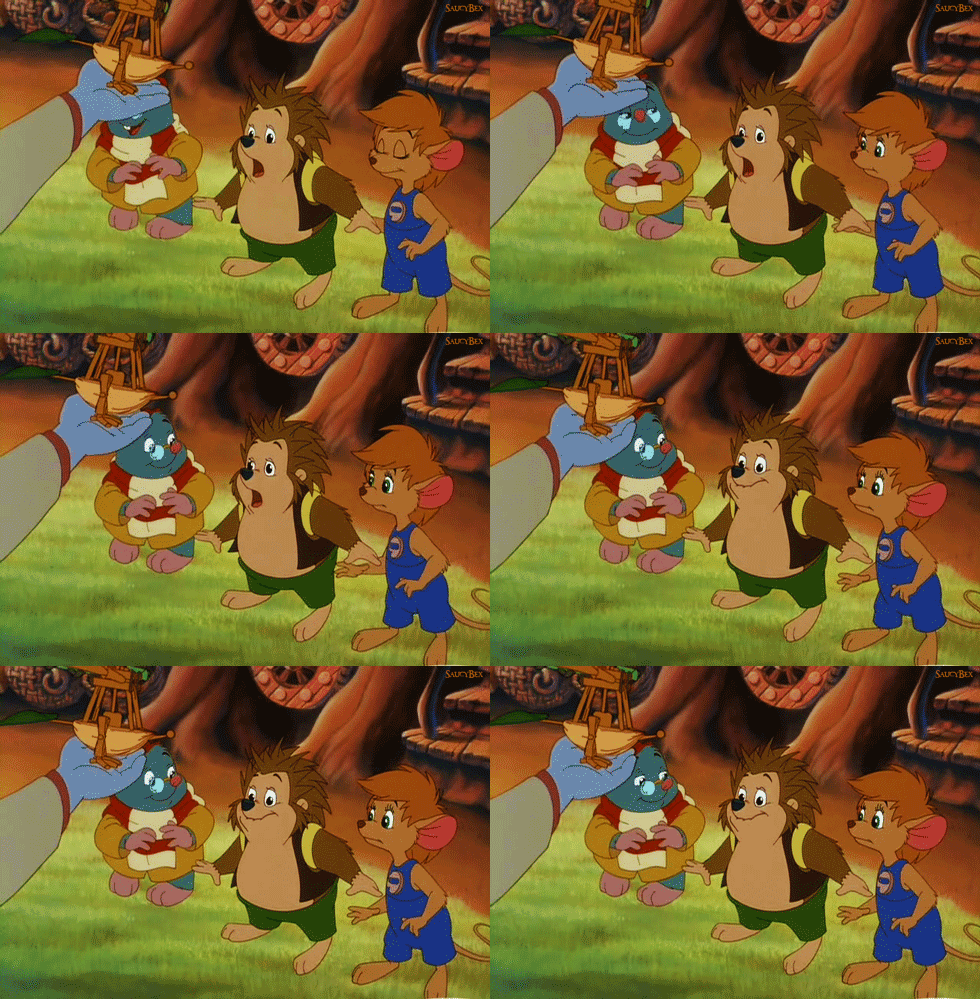
Number 12. Just like the next one, this too is worthy of a higher position, but somehow is less memorable to many. For years I have had memories of this tale, but due to it being less well known than others, I was always lost for the name until luckily, someone mentioned it when I was talking about this article. In the words of Grant Denyer, “it is on the list”, and deservedly so!
Once Upon a Forest is a 1993 British-American animated children’s film based on the Furlings characters created by Rae Lambert. In this animated tale, a toxic spill from an encroaching construction site threatens the life of one of the characters, a badger. So, three woodland creatures, wood mouse Abigail, mole Edgar and hedgehog Russell must brave a treacherous journey to find a cure. As the threat of the destructive humans looms ever closer, the animals are in a race against time as their remaining family and friends struggle to survive in the face of disaster.
#11 Dr Doolittle, 1967 (Australian classification unknown).
Main Lessons:
Importance of understanding and caring for animals.
Ability to improve the health of animals.
Friendship with, and love for animals.
Adventure and exploration.
The mystery of the natural world and the creatures it is home to.
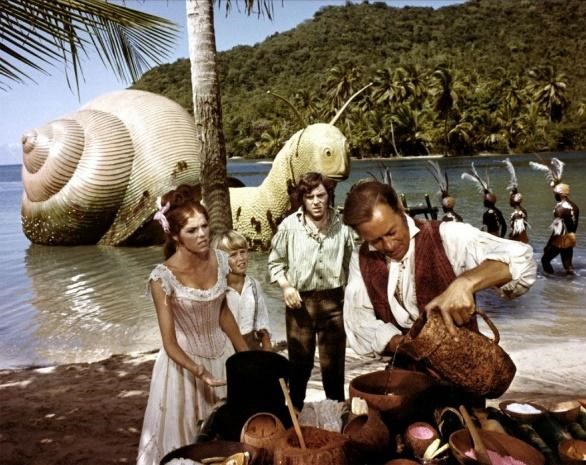
Honestly, I think this film is responsible for my childhood dream of becoming a vet (unfulfilled) and my hobbies today of hiking, exploring, and of course my love for adventure. The original Dr Doolittle is the best! It may have featured much higher on the list if it wasn’t for the fact that practically no one has ever seen it! Which does not please me much at all.
Doctor Dolittle (also known as Dr. Dolittle) is a 1967 American musical film adapted from the novel series by Hugh Lofting and sits at number 11 on the list. It primarily fuses three of the books The Story of Doctor Dolittle, The Voyages of Doctor Dolittle, and Doctor Dolittle’s Circus. Dr John Dolittle (Rex Harrison) lives in a small English village where he specializes in caring for and verbally communicating with animals. When Dr. Dolittle is unjustly sent to an insane asylum for freeing a lovesick seal from captivity, his animals and two closest human friends, Matthew Mugg and Tommy Stubbins, liberate him. Afterwards, they join Emma Fairfax and set out by boat to find a famed and elusive creature: The Great Pink Sea Snail.
Effect on animals when subject to habitat destruction and fragmentation.
Effect on animals when subject to hunting.
Importance of protected areas for animals.
Importance of wildlife corridors.
Animals are friends.
The magic of the terrestrial environment and creatures that inhabit it.
Adventure and exploration.
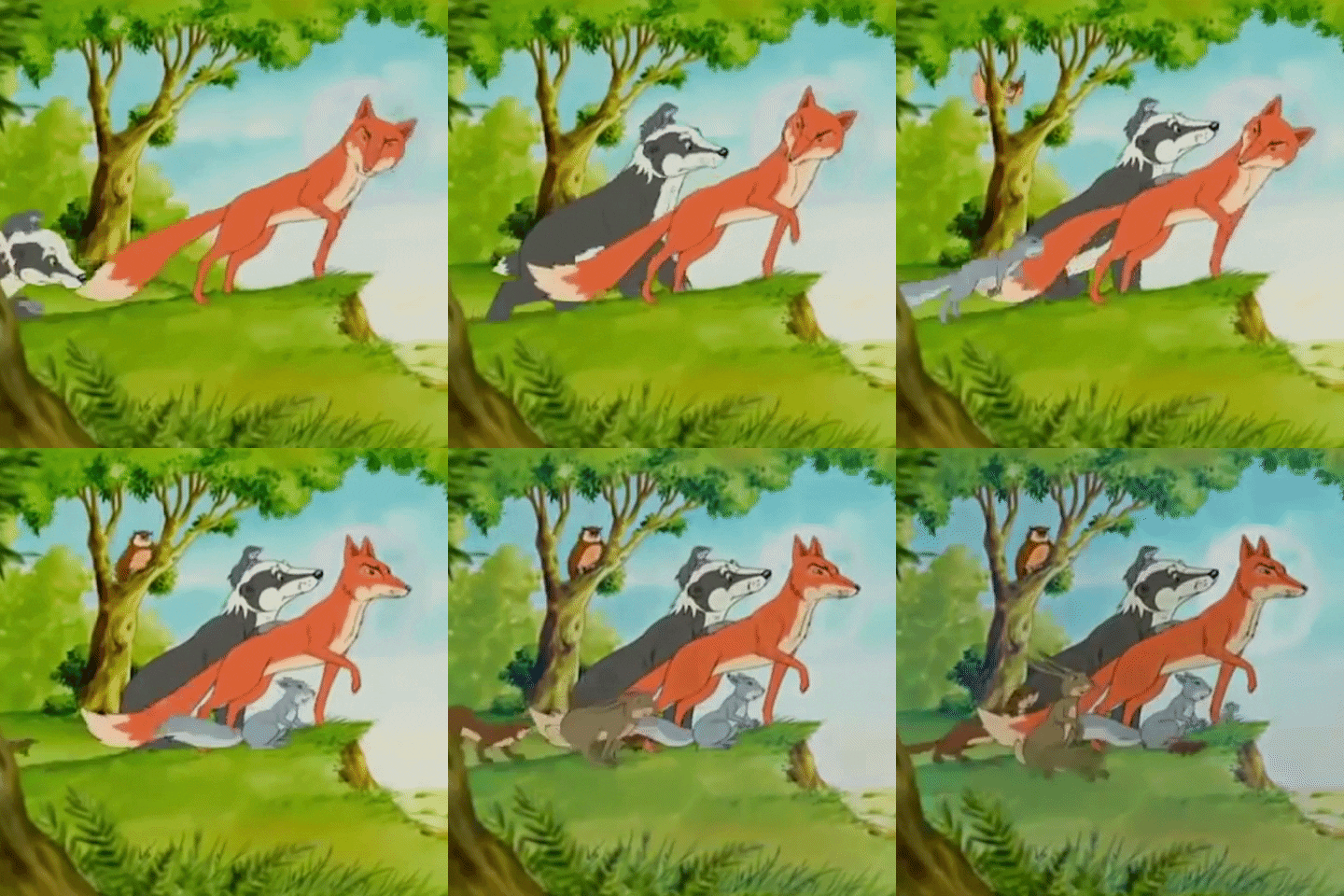
I have been trying for so long to get this one on DVD with absolutely no success… If anyone has it, I would love to get my hands on it to ensure my niece can watch it someday (suitable for Australian DVD players of course). Number 10, The Animals of Farthing Wood. This is one TV show that I have dearly missed from my childhood and I am experiencing ongoing withdrawals.
Based on the series of books written by English author Colin Dann, The Animals of Farthing Wood followed a group of animals who were forced to flee their homes when humans began clearing the woods to build suburban tract houses. Led by Fox, and assisted by Toad, the animals leave Farthing Wood and begin a journey to White Deer Park, a nature reserve where they would seek protection.
The magic of the terrestrial environment and creatures that inhabit it.
Adventure and exploration.
The circle of life.
I watched this while writing this article, you know, for research purposes of course… and I can assure you it is still very relevant and easily watchable, even after years of modern tv shows and movies. Bambi is 1 hour and ten minutes of the cutest and most wonderful animation I think I have ever seen! If this article was grading on cuteness alone, Bambi would be number 1. It’s an old classic that is well and truly entitled to the number 9 spot for its important lessons and its timeless ability to convey them! I honestly feel like the first time I remember seeing this movie was during some of the earliest years of my life… because it was! The portrayal of Bambi since a newborn in this animation and its soft and friendly nature makes it easy for the youngest of children to connect and relate to.
Bambi is a 1942 American animated film produced by Walt Disney and based on the 1923 book Bambi, a Life in the Woods by Austrian author Felix Salten. The film was the fifth Disney animated feature film. The main characters include Bambi, a mule deer, his parents, the Great Prince of the forest and his unnamed mother, his friends Thumper (a pink-nosed rabbit) and Flower (a skunk), and his childhood friend and future mate, Faline. The animals roam the woods and do their best to live peacefully and happily if it were not for Man.
Compassion and responsibility for animals when subject to human interference.
Rehabilitation of animals to the wild.
Animals born free should remain free (not in captivity).
Love for animals.
The magic of the terrestrial environment and creatures that inhabit it.
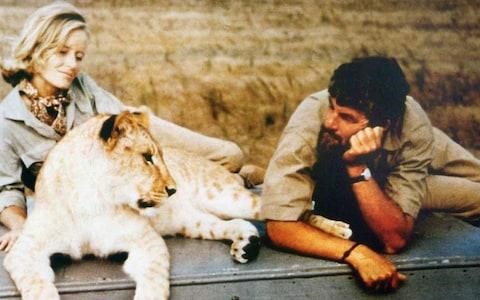
I’m going to have to admit that Born Free is a favourite to most environmentalists and animal lovers. This movie and the relationship described between Elsa and Joy makes this one, which slides into number 8, a hit! However, there were a few movies/shows with some more important lessons to teach us (forgive me mum) and in order to see its important messages, you will have to get past a fairly violent and selfish (from a human point of view) first 5 minutes.
In this heart-melting portrayal of Joy Anderson’s 1960 non-fiction book Born Free, married couple Joy and George Adamson raised Elsa the orphaned lioness. Joy and George had long lived in northern Kenya allowing George to continue his work as the senior game warden of the region. One of George’s main roles is to control dangerous animals that pose chronic threat to humans, livestock and/or crops. Through this work, George and his team end up in the possession of 3 young female cubs without parents. George and Joy wean and nurture the 3 cubs, who they adopt as their pets, but soon enough the pair realise that the cubs need a more suitable environment. Two of the cubs are sent to Rotterdam Zoo and Elsa, the smallest, is left with George and Joy. As Elsa grows into lioness maturity, George and Joy allow her to have greater freedom beyond their property, and into the wilderness of Kenya. This new-found freedom is bound to get a largely tame animal such as Elsa into some trouble.
Importance of successful ongoing migration and specifically migratory birds.
Love for animals.
Innovation has a place in conservation.
Geese and goslings are soooooo cute (not the Ryan variety)!
Honestly, I almost forgot about this movie altogether, but it has some great lessons and provides the inspiration required to motivate children to protect animals and the environment. If you don’t believe me, re-watch it. Perhaps, just perhaps, I may have teared up when watching it as a child. Flying into number 7 is Fly Away Home.
Fly Away Home dramatizes the actual experiences of Bill Lishman who, in 1986, started training Canada Geese to follow his ultralight aircraft, and succeeded in leading their migration in 1993 through his program “Operation Migration.” The film is also based on the experience of Dr William J.L. Sladen, a British-born zoologist and adventurer, who aided Lishman with the migration. The movie follows the main character Amy, who is left an orphan after her mother’s death. Amy moves to Ontario to live with her father, an aviation expert, and both Amy and her father lead a flock of orphaned geese south for the winter.
Trophic cascades (maintaining the balance of predator-prey interactions).
Love for animals.
The magic of the terrestrial environment and creatures that inhabit it.
Adventure and exploration.
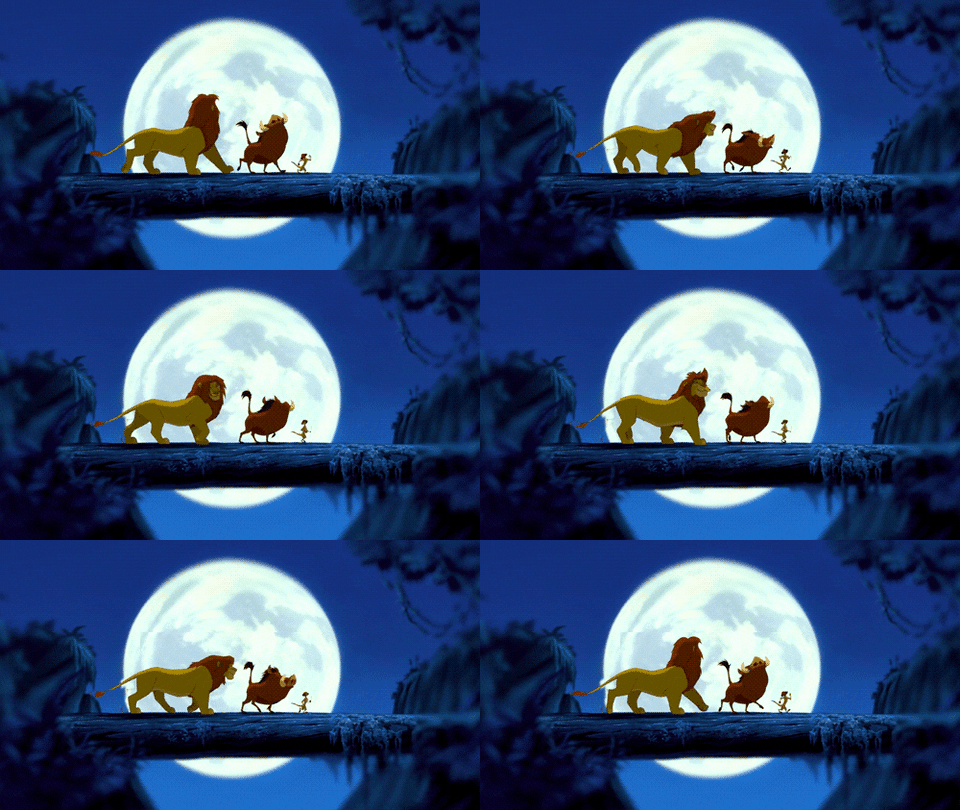
I know, I know, a favourite to all… how could it not be number 1? Right? Well, at number 6, The Lion King is a classic and a fan favourite I’m sure you have all seen. However, the environmental messages in this beauty are somewhat missed amongst the magic and energy of the tale.
In this coming of age, Simba, a newborn cub to the pride lands is born heir to the throne beyond his father Mufasa. Eventually, Simba is tricked by his cunning uncle, Scar. Scar desires the throne for himself and tricks Simba into leaving the pride lands for what seems like forever. The pride lands (an ecosystem), now ruled by Scar, is unbalanced as Scar and his army of hyenas continue to take until there is nothing left, meaning the pride lands become an overexploited ecosystem and deserted landscape. Nala, Simba’s childhood friend and future mate, leaves the pride lands in search of assistance only to find Simba in hiding. Eventually, Simba realises his destined path and it dawns on him that he must return to the pride lands and find the courage to restore order and resume his throne.
Compassion and responsibility for animals when subject to human interference.
Rehabilitation of animals to the wild.
Respect for indigenous Australians and landowners.
The connection between indigenous Australians and the country.
Love for animals.
The magic of the coastal (delta) environment and creatures that inhabit it.
Animals need our protection.
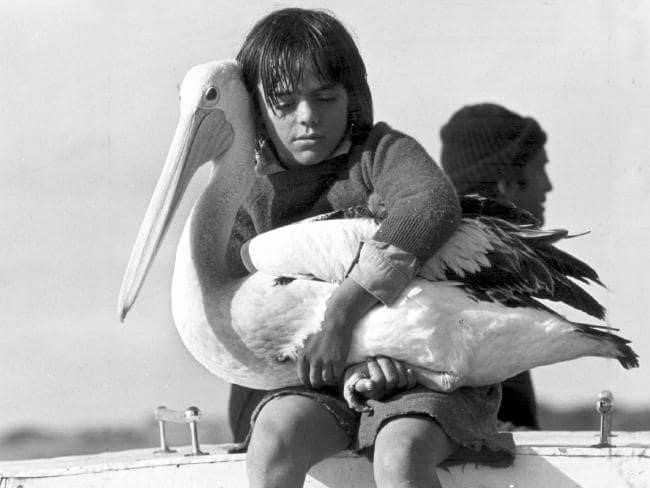
For me, number 5 must go to the Australian classic Storm Boy!
This movie conveys important environmental views and tells of the challenges that those accompanying those views tend to face. It encompasses sympathy and compassion for animals and teaches a respect for indigenous Australians which means Storm Boy is primed to turn anyone into a fan of the environment, its animals and its cultural heritage. I suggest every Australian must sees this movie!
Storm Boy is a 1976 Australian drama film based on the book of the same name by Colin Thiele. The story is about Mike, a lonely boy living in the coastal wilderness of South Australia’s Coorong near the mouth of the Murray River with his reclusive father ‘Hide Away’ Tom. They live amongst the isolated sand dunes facing the Southern Ocean. In search of friendship Mike encounters another recluse in the wilderness, Fingerbone Bill (David Gulpilil), an Aboriginal man estranged from his tribal people. Fingerbone Bill names Mike “Storm Boy” and enlists the child’s help caring for three orphaned pelican chicks. Once the birds reach near full size, Mike’s father insists the birds be released back into the wild. However, one pelican, who Mike has named ‘Mr Percival’ returns. Mike and Mr Percival form a deep friendship throughout the story until sadly, through the turn of unnecessary events, Mike and Mr Percival become separated. Through the assistance and guidance of Fingerbone Bill, Mike learns of the circle of life.
Dangers of pollution (oil spills), threats of industry (illegal fishing/whaling).
Importance of marine conservation.
Love for animals.
The magic of the marine environment and creatures that inhabit it.
Animals need our protection.
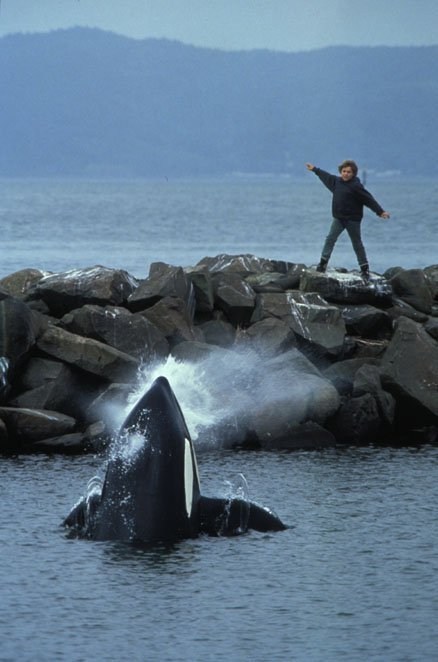
Number 4, Free Willy! Ok, so when I think of this movie, and what the rebel main character Jesse has achieved, it makes me want to get out there and fight hard for our natural world. Free Willy is a 1993 American family drama film about a foster boy, Jesse, who befriends a captive orca. Importantly, in today’s current environment, the lessons it features are more relevant than ever.
Near the coastline of the Pacific Northwest, a pod of orcas is playfully swimming when the pod is hunted by a group of whalers, and one of them (Willy) is separated from the group and captured in a net. Willy is sent to an amusement park while his pod can do nothing to help. Sometime later in Seattle, Jesse, a troubled 12-year-old boy abandoned by his mother six years earlier, is apprehended by police for stealing food and vandalizing the theme park. Jesse is found a foster home and agrees to clean up the theme park where he eventually befriends Willy, who takes quite a liking to Jesse’s harmonica playing. Jesse goes to great lengths to stop the exploitation, ensure Willy’s safety, and secure the freedom of his new-found friend. The film is followed by Free Willy 2, 1995 (oil spills) Free Willy 3 1997 (illegal whaling) and Free Willy 4, 2010.
Importance of protected areas for animals and plants.
Animals are friends.
The magic of the terrestrial environment and creatures that inhabit it.
Adventure and exploration.
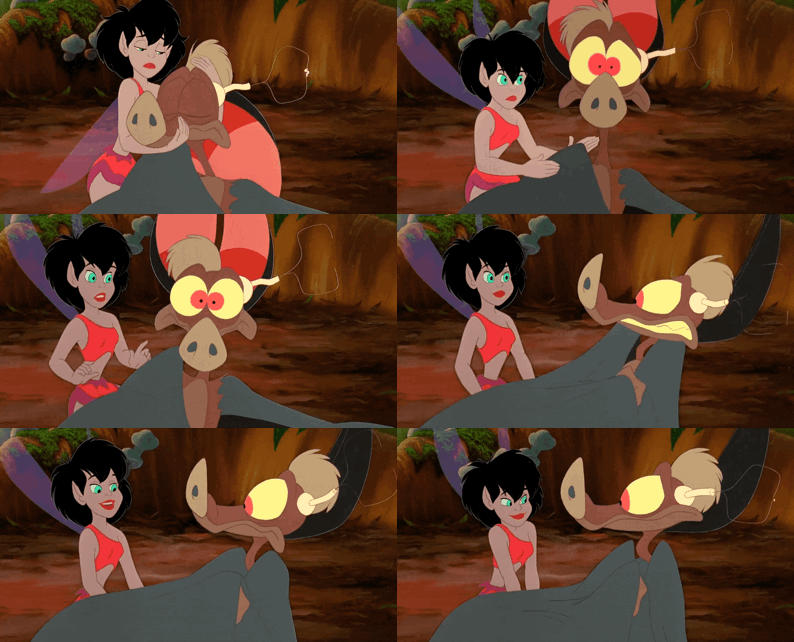
At number 3 I introduce one of my absolute favourites – it’s just so much fun to watch! When i think of this movie and story i am just filled with absolute love for our natural world. Not to mention it stars Robin Williams and is set in my home country, Australia. If you have seen it, or when you watch it, you may notice it is quite similar to a more recent movie with a very similar storyline (one that features oversized blue aliens), only FernGully was out a long long time before it.
FernGully: The Last Rainforest is a 1992 animated musical fantasy film adapted from the book of the same title by Diana Young. FernGully is set in an Australian rainforest inhabited by fairies including Crysta. Crysta accidentally shrinks a young logger named Zak and the pair rally the fairies and the animals, including Batty (voice of Robin Williams) to protect the rainforest, their home, from the loggers and a malevolent pollution entity, Hexxus.
Animals far and wide, no matter how big and scary or dangerous, are beautiful and important to the health and continuity of natural ecosystems.
Animals are not always as they are portrayed.
Importance of conservation.
Adventure and exploration.
The magic of the marine, freshwater and terrestrial environments and creatures that inhabit them.
Love for animals.
Animals need our protection.
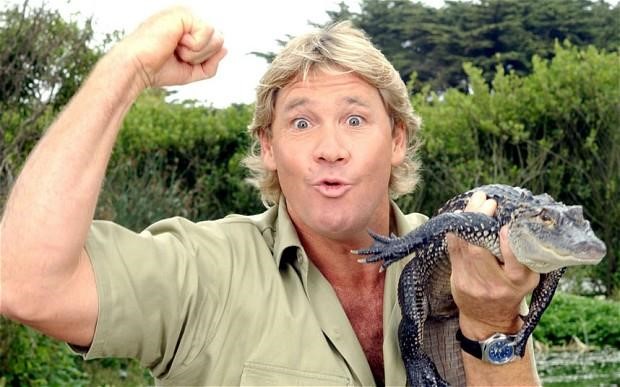
If you said “Crikey, what’s this one doing at number 2?”
Steve Irwin would quickly respond “Yeah, I’m a thrill-seeker, but crikey, education is the most important thing!”, and he did say that, many, many times.
The Crocodile Hunter is a favourite to all Australian children (and adults). Hosted by Steve Irwin and his wife, Terri, it became popular thanks to Irwin’s unconventional approach to wildlife. Steve and Terri Irwin run a wildlife refuge and share a passion for educating the world about wildlife, including the much-feared crocodile and numerous venomous snakes. Steve’s speciality is the capture and relocation or rehabilitation of wild crocs. No animal appears too threatening to Steve, and his true respect and love for animals is contagious. If you are looking to educate or be educated on the specifics of Australian animals, look no further.
Humans are now responsible for maintaining the health and continuity of natural ecosystems.
It’s up to everyone to protect the Earth, you and I included.
Pollution is a massive issue that needs our attention.
Animals need our protection.
The magic of Earth and all that inhabit it.
Adventure and exploration.
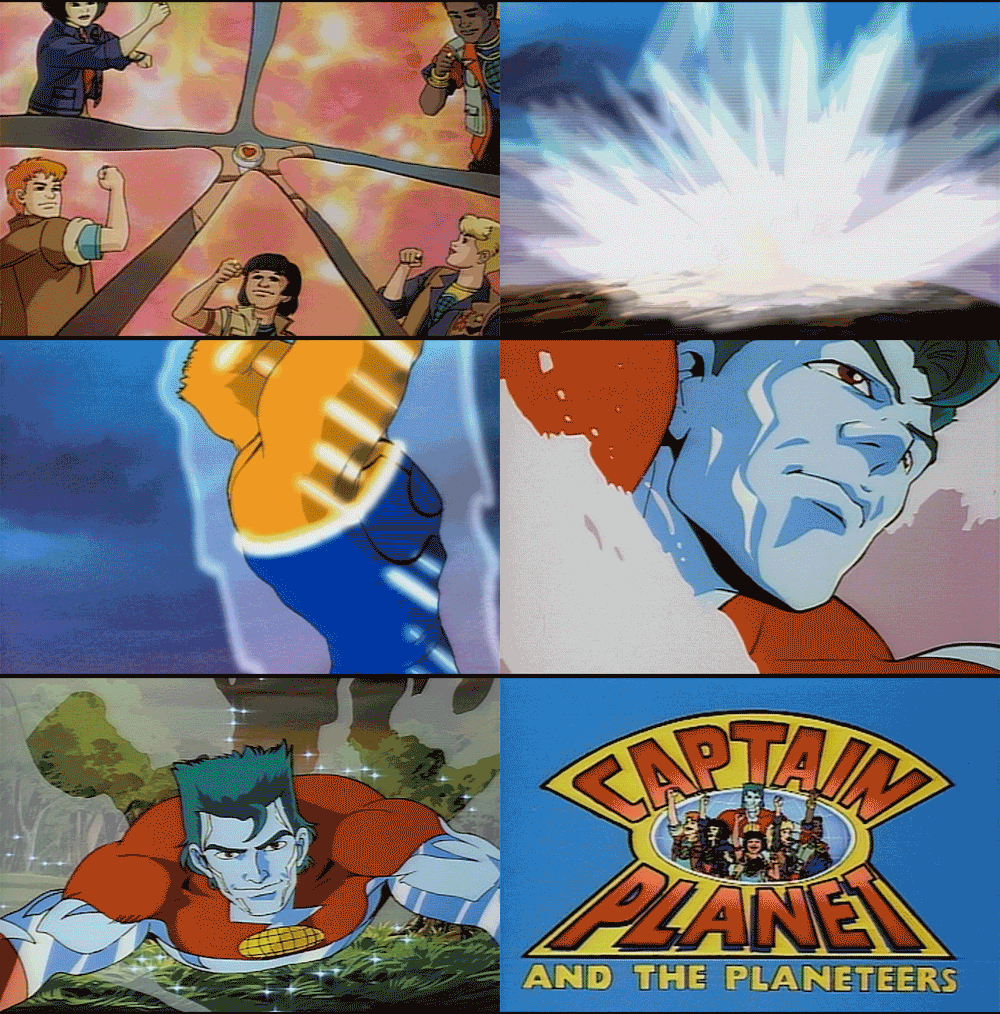
Due to its ability to cover many, many topics surrounding the environment and animals and its ability to engage a young audience, number 1 must go to Captain Planet.
If I could go back to the days of watching Captain Planet after school, I would in a heartbeat! This series offers a superhero view of looking after our planet and caring for animals and the environment. Its ability to entertain children while conveying these messages has seen it land at number 1 on my list. Rightfully so I believe.
Gaia, the planet’s spirit, creates 5 powerful rings and assigns them to the “planeteers”. When the power of the five rings (Water, Earth, Fire, Wind, and Heart) are combined they summon an elemental warrior: Captain Planet. Captain Planet works with the planeteers to defend Earth from pollution caused by criminals and villains. As the show’s theme song says, Captain Planet is “gonna take pollution down to zero” by defeating the villains and taking out the trash! The animated series was co-created by media mogul Ted Turner, a noted environmentalist.














 W. A. Greenly.