Uncategorized, Year 3 Science

What Makes Something Alive?

Year 3 Science | Living, Non-Living, Once-Living and Life Cycles of Living Things
Aligned with the Australian Curriculum: AC9S3U01

Welcome, curious critters and fantastic educators! 🐸🌻
Have you ever looked at a butterfly and wondered what makes it alive? Why does it flutter and fly, while a rock just sits there doing… well, nothing? And what about fossils? They’re not alive anymore, but they used to be!

If you’ve asked questions like these, you’re thinking like a scientist — and this post is for you.

Let’s explore what makes something living, non-living, or once-living, and take a peek into the life cycles that all living things go through.

🔍 What Is a Living Thing?

All living things share seven key features. These features help us tell the difference between something that is alive, something that was once alive, and something that has never been alive at all. Here they are in no particular order:

Movement

Living things can move. Sometimes it’s easy to spot — like a kangaroo hopping — and sometimes it’s slower or more subtle, like a plant bending towards the sunlight.

Nutrition

All living things need food to get energy.

  • Animals eat plants or other animals — just like we do!
  • Plants make their own food from sunlight through photosynthesis.

Respiration

This is the process of turning food into energy. All living things do it — even plants! It might sound tricky, but just remember: respiration is how living things power their bodies.

Excretion

Living things must get rid of waste. It might seem gross (we see you, dung beetle!), but it’s a vital process that keeps organisms healthy — and often helps other life forms too.

Sensitivity (Response to Environment)

Living things can sense and respond to changes around them:

  • Plants grow towards light or close their leaves when touched.
  • Worms wriggle when they feel vibrations.
  • Humans respond to temperature, light, sound… and even emotions!

Reproduction

Living things can make more of themselves. Whether it’s turtles laying eggs or plants making seeds, reproduction is essential to keeping life going.

Growth (and Life Cycles!)

All living things grow and change over time — this is called a life cycle. From baby animals to blooming flowers, every living thing has a journey of growth.

🤔 What About Non-Living and Once-Living Things?

Let’s test your science smarts! Think about each of these — are they living, non-living, or once-living?

  • 🐸 A frogLiving! It moves, eats, grows, and can make more frogs.
  • 🪨 A rockNon-living. It doesn’t move on its own, eat, or reproduce.
  • 🦴 A fossilOnce-living. It was part of something alive long ago, like a dinosaur!
  • 🌳 A treeLiving. It makes food, grows, and responds to sunlight.
  • 🪵 A logOnce-living. It was once a tree, but it’s no longer alive.
  • 🤖 A toy robotNon-living. It can move, but only when someone turns it on. It doesn’t grow, eat, or make baby robots!

🌱 Life Cycles in Action

Let’s take a closer look at how living things grow and change.

🐸 Frog Life Cycle

  1. Egg – Frogs begin life as jelly-like eggs in water.
  2. Tadpole – The eggs hatch into tadpoles that swim using tails.
  3. Froglet – Legs grow, tails shrink, and lungs start to work.
  4. Adult Frog – Now they can hop on land, breathe air, and reproduce!

This big change is called metamorphosis.

🌻 Sunflower Life Cycle

  1. Seed – It all starts with a tiny seed.
  2. Germination – Roots and shoots begin to grow.
  3. Seedling – Leaves appear and the plant grows taller.
  4. Adult Plant – It blooms into a sunflower, which makes new seeds!

Even though frogs and sunflowers live in very different environments, they both grow, change, and reproduce — because they are living things.

🧠 Quick Recap: How Can You Tell If Something Is Living?

Ask yourself (note: I’ve changed the order from above):

  • Move — Can it move?
  • Respiration — Does it use energy?
  • Sensitivity — Does it respond to the world around it?
  • Growth — Does it grow?
  • Reproduce — Can it make more of itself?
  • Excretion — Does it get rid of waste?
  • Nutrition — Does it need food?

If the answer is yes to most of these — it’s alive!


🎒 For Teachers

This blog post supports Year 3 Science, particularly the content description AC9S3U01 from the Australian Curriculum, which focuses on how scientists group things as living, non-living, or once-living based on observable features.

You can use this resource:

  • As pre-learning before a unit on life cycles or biological classification
  • Alongside a nature walk, science incursion, or museum visit
  • With the Critter Quest Education video as an engaging multimedia introduction
  • As a formative check-in after a hands-on activity

🧪 Final Thoughts

Whether it crawls, swims, grows in soil, or even used to be alive — the world is full of clues to what makes something living. By learning to observe and ask questions, we can start seeing life in all its wonderful forms.

Keep questioning, keep exploring — and don’t forget to check out more resources and videos at Critter Quest Education!
Critter Quest Education, science, Uncategorized

Welcome to Critter Quest Education – Free Australian Primary Science Videos & Teaching Resources

A message from Mr. Greenly, science nerd, nature lover, writer, and aspiring teacher

🌿 Welcome to Critter Quest Education
A message from me, Mr. Greenly

Hi there, and welcome to Critter Quest Education! If you’ve landed here, chances are you’re a teacher, educator, or maybe even a curious parent on the hunt for curriculum-aligned science content, engaging and ready to use in the classroom. You’re in the right place.
I’m Mr. Greenly, a scientist, writer, and aspiring educator who’s currently completing a Master of Teaching (Primary). I also hold a Bachelor of Science in Biodiversity & Conservation, and over the past few years, I’ve been steadily building this little corner of the internet: Mr. Greenly & Critter Quest Education. It’s now a home for Australian Curriculum-aligned science explainer videos and primary science teaching resources, created specifically for Foundation to Year 6 classrooms, relief teachers, and homeschoolers.

But before I talk more about the resources, let me tell you a little about how this all came to be.

Supporting Australian Primary Science Education with Engaging, Curriculum-Aligned Videos
🦎 From science to stories
I’ve always been fascinated by the natural world, by frogs croaking at sunset, ants working together on the forest floor, and fossils whispering stories from millions of years ago. That love of nature led me to study Biodiversity & Conservation, where I deepened my understanding of the world’s ecosystems, species, and the fragile web that connects them all.

But I’m also a storyteller at heart. Somewhere between university assignments and fieldwork, I began writing a book, a fantasy adventure novel for pre-teens and early teens inspired by my love for adventure, science, and the magic of nature.

The book, titled Pho Fickler & The Last Archaeopteryx, follows a young boy who enrols in Fogbow’s School of Natural Processes, where science, nature, and ancient mysteries collide. Set in the fictional world of Aileron, the story explores environmental stewardship, scientific wonder, and the battle between knowledge and exploitation.

I’ve been working on this story since 2019, writing, re-writing, editing, and collaborating with a small group of brilliant beta readers. It’s still a work in progress that I’m aiming to launch soon, but it’s a huge part of the same mission that drives Critter Quest: to inspire younger generations to care about nature, ask big questions, and feel empowered to learn.

🚐 The road to teaching
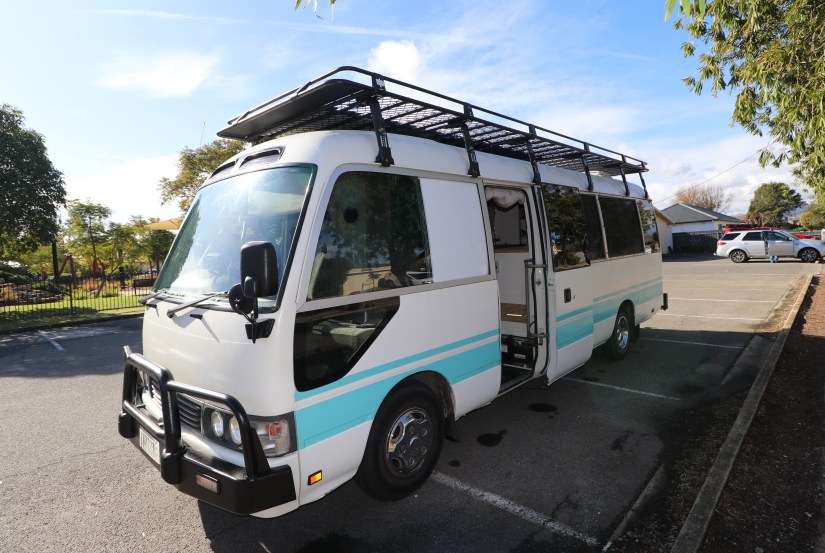
After finishing my science degree a few years back, I bought a bus and converted it into a motorhome. I hit the road with my dog Bruce and my bus, Nessie (short for Wildernessie) just over a year ago when the three of us set off on an eight-month journey, exploring the country, soaking in nature and, admittedly, feeling a little lost.

I loved the freedom—but unexpectedly, I also felt the absence of purpose.

It was during this time that I reflected on something I’d always wanted to do: teach. I’ve always admired the role teachers play in shaping not just knowledge but values, curiosity, and confidence in young minds. I knew I wanted to help kids connect with the world around them, especially the natural world, and to create learning experiences that felt joyful and accessible.

So, I enrolled in a Master of Teaching (Primary), and now I’m just a few weeks out from my first official placement. I’ve got butterflies the size of lorikeets but I’m also incredibly excited to learn, grow, and step into a classroom with real students for the first time.

While I don’t yet have formal classroom experience, I’ve spent plenty of time hanging out with my two young nieces (pre-school and Foundation years), asking bug-related questions, inventing backyard science experiments, and watching the wheels turn in their minds. That joy, the joy of sparking understanding, is what fuels everything I do here at Critter Quest and beyond.

🎥 Why I created Critter Quest Education
Critter Quest Education was born from a simple but pressing question:

What if teachers had access to short, accurate, curriculum-linked science videos and teaching resources they could drop straight into a lesson, without hours of prep or worry about relevance?

Teachers are time-poor. Planning science lessons, especially ones tied directly to the Australian Curriculum v9.0, takes precious hours. And while there’s plenty of content online, much of it is too broad, too long, or just not quite aligned.

So I started creating Australian primary science explainer videos using AI tools alongside my own scripting, editing, and curriculum alignment. The result? A growing library of short, engaging videos tailored to specific content descriptions and achievement standards, covering topics from Biological Sciences to Earth & Space.

Every video is:

  • Aligned to F–6 Australian Curriculum
  • Kid-safe and classroom-friendly
  • Designed to support teacher planning, not replace it
  • Made with curiosity, clarity, and care
  • Agonised over by me for hours—upon hours!

🌱 What you’ll find here
Whether you’re a classroom teacher, relief educator, or homeschooling parent, my goal is to make science feel less overwhelming and more exciting. You’ll find:

✨ Short science explainer videos, sorted by year level, and curriculum strand
📚 Free teaching resources (coming soon!)
🧠 Articles for educators, covering curriculum insights, environmental education, and teaching strategies (also coming soon!)
📖 Updates on my upcoming book, Pho Fickler & The Last Archaeopteryx

And all of it is infused with a warm, personal approach. I want you to feel welcome, heard, and supported. Like you’ve found a little ally in the sometimes chaotic world of planning science.

💬 Stay in touch
If this sounds like the kind of space you’d like to come back to, I invite you to:

  • Subscribe to my email list (via the subscription bar below) so you’ll know when new videos and resources go live
  • Check out the YouTube channel to browse videos by year level
  • Follow along with the blog for insights, updates, and inspiration

Teaching is one of the most human, meaningful things we can do, and if I can help take even a sliver of weight off your shoulders with these videos and teaching resources, then Critter Quest Education is doing its job.

Thanks for being here.

Back to the Critter Quest Education Homepage.

australia, climate change, Coral, Critter Quest Earth - Videos, environment, Environmental Lessons, Marine, science, Uncategorized

Kingdom of Corals: A Magical Journey Through the Ocean’s Tropical Reefs

Coral reefs are dying — but most people don’t even know what coral is.
That’s not your fault. Between the headlines, the heatwaves, and the heartache, it’s easy to feel overwhelmed or switch off entirely. But what if understanding these underwater cities could actually reconnect us — to nature, to awe, and to hope?

If you’ve ever marvelled at a reef from above, watched a David Attenborough doco on loop, or just want science made simple and wonder-filled — you’re in the right place.

Please, subscribe now and dive into a calmer, clearer climate conversation. No guilt trips. Just great stories, beautiful science, and practical ways to care.

If you don’t swim but adore marine life, allow me to be your guide to the vibrant world of coral reefs. Whether you paddle in rock pools or prefer to stay high and dry with a cuppa and a good David Attenborough doco, one thing’s for sure — the Kingdom of Corals is a realm like no other. Today, we’re diving into the underwater cities that never sleep. Strap in, because this isn’t just another fish tale — it’s a technicolour plunge into one of Earth’s most astonishing ecosystems.

What Is Coral, really? (Spoiler: It’s Alive!)

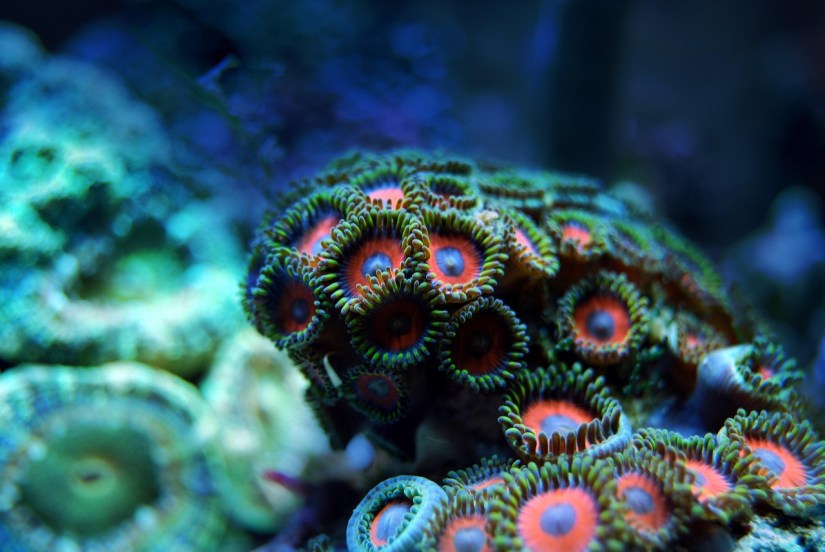
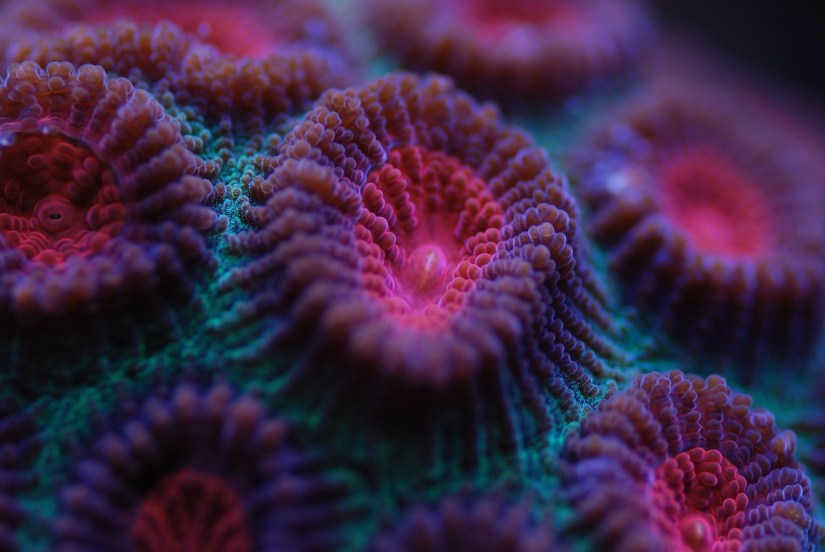
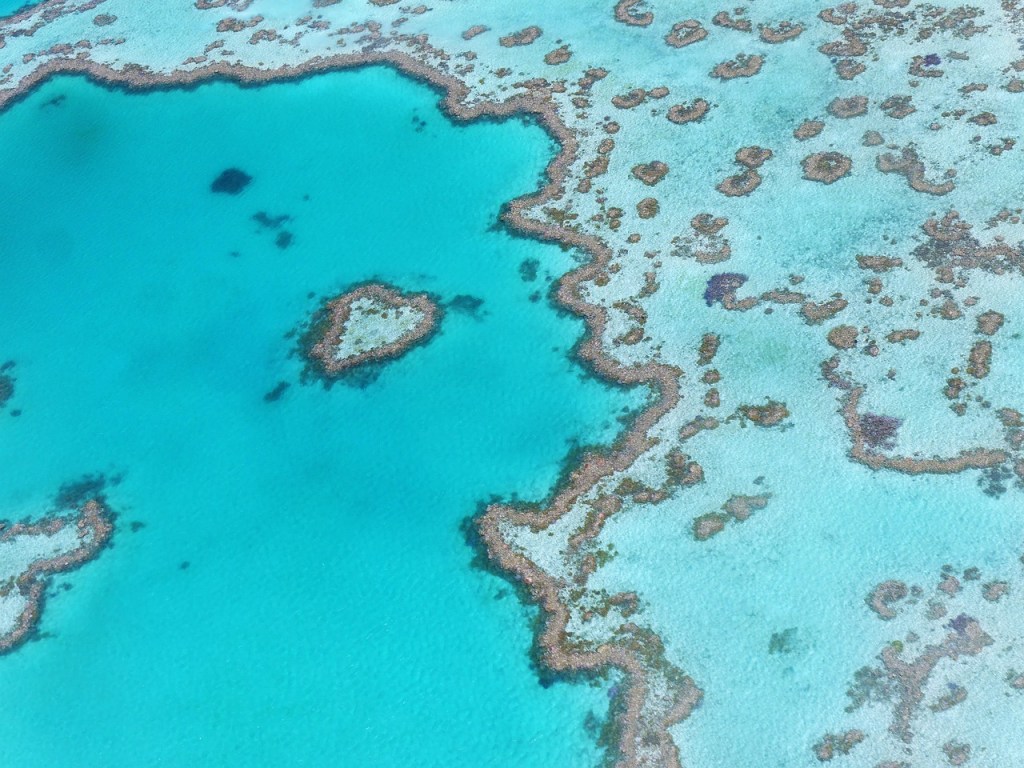
Coral might look like colourful rock candy glued to the seafloor, but surprise! It’s made of thousands of tiny animals called polyps. These little critters — no bigger than a grain of rice — are part jellyfish, part master mason.

Each polyp builds its own limestone cup (kind of like a snail with a love of architecture). Together, they form vast colonies that grow into coral reefs — the giant, bustling marine metropolises of the ocean.

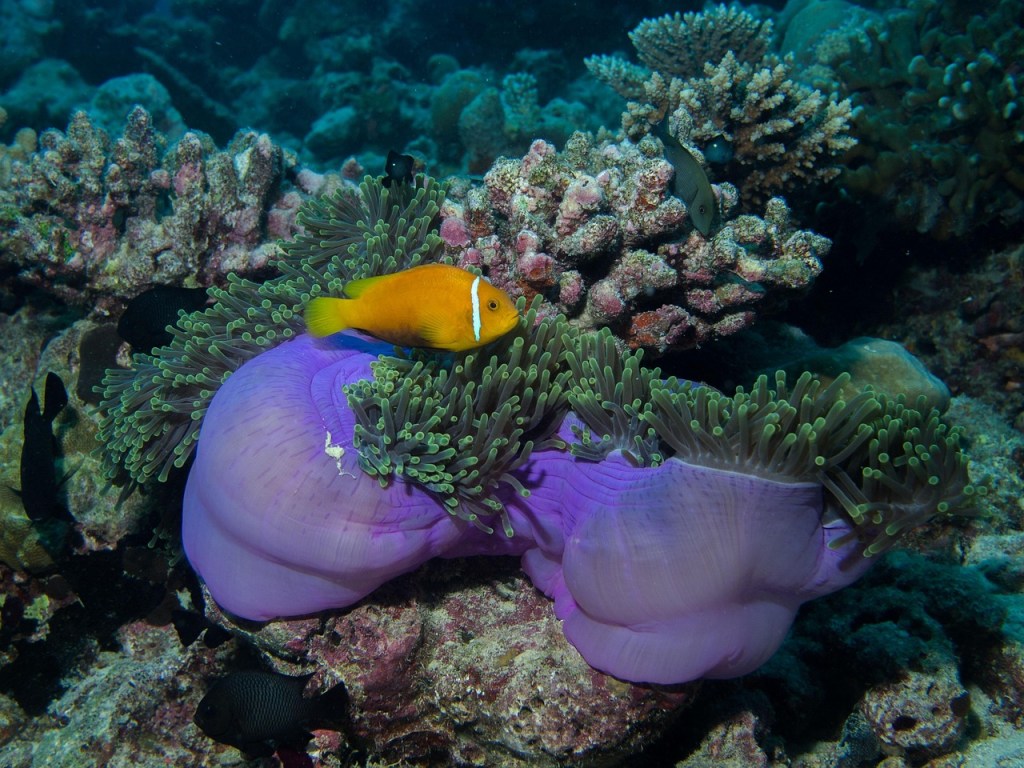
Even more amazing? Coral polyps have a secret roommate: a type of algae called zooxanthellae. These microscopic plant-like buddies live inside the coral’s tissues, providing food through photosynthesis. It’s a perfect flatmate situation — the algae get a safe home, and the coral gets fed. In Ecology, this is called symbiosis, it’s a Win-win!

Well… Until the water heats up — but more on that in a tick.

Coral Reefs: The Cities That Never Sleep

Coral reefs are like underwater cities during a street festival — full of colour, movement, and life. Even though they cover less than 1% of the ocean floor, they support over 25% of all marine life. That’s a quarter of the ocean’s species sharing the reef real estate!

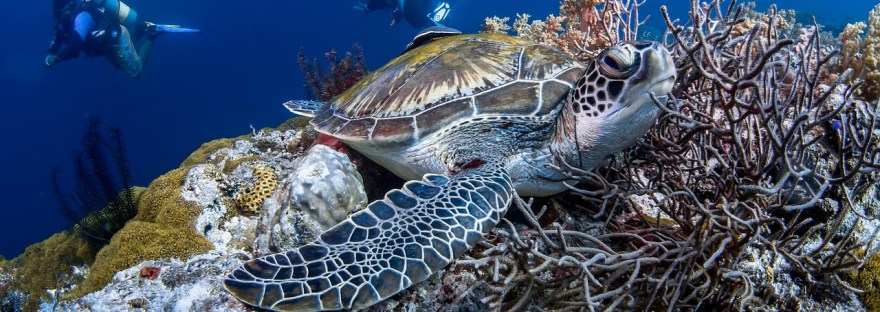
Fish in neon brights, camouflaged crustaceans, sea turtles, starfish, nudibranchs (Google those if you want to see some truly fabulous sea slugs), and even sharks — all rely on coral reefs to live, feed, and breed.

It’s no wonder coral reefs are called the rainforests of the sea. Except, well, with fewer leeches and a lot more fish that look like they’ve escaped from a tropical disco.

Why Should Humans Care?

When I snorkelled Lady Musgrave Reef, one of the pristine coral cays in the Southern Great Barrier Reef, I was absolutely mesmerised. The electric blue tangs darting between coral towers, the graceful sway of anemones, and curious turtles gliding past — it felt like I was floating inside a living kaleidoscope. It’s something I’ll never forget.

Aside from being jaw-droppingly beautiful, coral reefs are super handy for us land-dwellers too:

  • They’re nature’s coastal bodyguards, absorbing wave energy and reducing storm damage and erosion.
  • Over 500 million people depend on reefs for food, fishing income, and tourism.
  • Coral reefs are even pharmaceutical treasure troves, with scientists studying reef organisms to treat cancer, arthritis, bacterial infections, and more.

So next time you’re sipping a fruity drink on a tropical beach, spare a thought for the reef that’s keeping the waves at bay — and maybe even helping future you stay healthy.

Trouble in Paradise

Now, here’s where things get a little heavy. Like every great kingdom, the coral realm is under threat.

Climate Change and Coral Bleaching

Remember those algae roommates we mentioned? Coral needs them to survive. But when ocean temperatures rise, coral gets stressed and evicts the zooxanthellae. The result? Coral bleaching — the coral turns ghostly white and, without its algae, slowly starves.

It’s not just a fashion statement — it’s a warning sign. Prolonged bleaching can lead to widespread reef die-off.

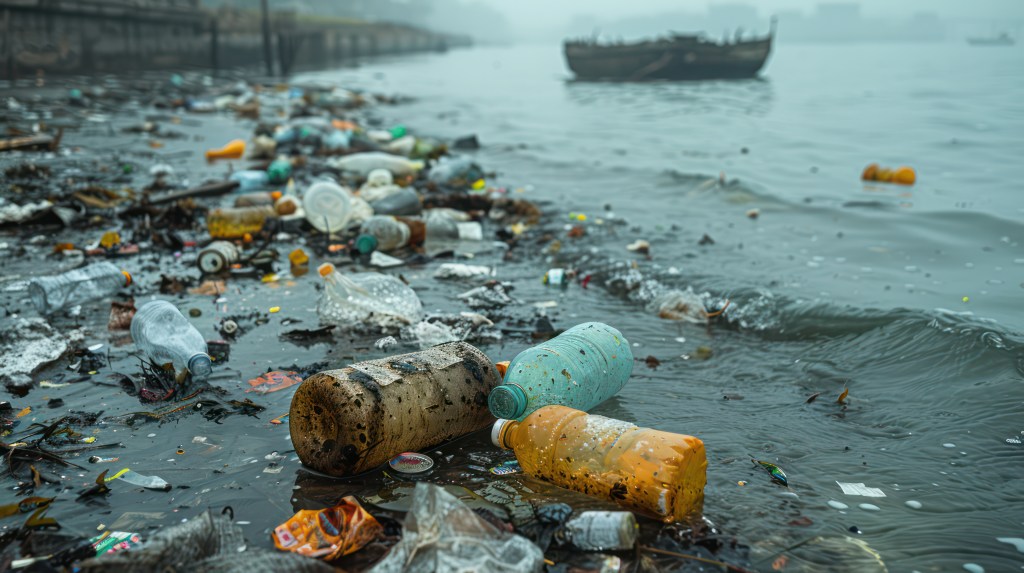
(Garbage in the ocean source: Marine Pollution Stock photos by Vecteezy)

Plastic Pollution and Chemicals

Corals are being choked by plastic debris, which can block sunlight and leach toxins into the water. Even our sunscreens are part of the problem — many contain chemicals like oxybenzone that damage coral DNA.

Yep, your holiday SPF might be giving the reef a headache.

Overfishing

Every reef has its food chain, and overfishing throws it out of whack. For example, parrotfish (the guys who chomp on coral and poop out sand — you’re literally sunbaking on their handiwork) help keep algae from smothering the reef.

Remove too many of them and the algae builds up quickly, smothering the coral until it can’t breathe. Without grazers like parrotfish, the reef struggles to stay healthy.

But Don’t Panic — There’s Hope!

Now for the good news: we can all help keep the Kingdom of Corals alive and thriving. No flippers required!

Here’s what you can do:

  • Reduce your carbon footprint: Ride a bike, use public transport, eat less meat, and switch to renewables where you can.
  • Say no to single-use plastics: Bring your own bags, bottles and straws. Skip the cling wrap.
  • Choose sustainable seafood: Look for the Marine Stewardship Council (MSC) or similar certifications such as the Australian Sustainable Seafood Guide.
  • Use reef-safe sunscreen: Check labels for oxybenzone and octinoxate, and avoid them.
  • Support reef conservation: Donate to organisations or volunteer with marine projects.

Remember, even the smallest actions ripple out — just like waves on a healthy ocean.

Dive Deeper — Watch the Kingdom of Corals Come to Life!

Want to see the reefs in full technicolour? Check out my video “Kingdom of Corals” on Critter Quest Earth via the link below. My YouTube channel’s packed with adventure and the magic of nature! And, for more wild stories and science fun the whole family can enjoy, don’t forget to subscribe to my blog.

From the reef to the rainforest, we’re just getting started!

Please subscribe to receive my latest posts about nature & science straight to your email inbox. 🌏👩🏽‍🔬😀

australia, Critter Quest Earth - Videos, environment, Environmental Lessons, marsupial, science, Uncategorized

Marsupial Magic: Meet Australia’s Pouch-Protecting Wildlife Wonders!

The first time I saw a sugar glider leap through the trees, it didn’t feel real. One moment it was perched quietly on a branch — the next, it was sailing through the dusk like a tiny, furry kite. Australia’s marsupials aren’t just adorable. They’re evolutionary marvels.

But many of them are disappearing before most of us even learn their names.

If you’ve ever felt a quiet awe for the natural world — and a growing worry that we’re losing it — you’re not alone. This blog is for people who want to understand, not just scroll.

Please, subscribe now to discover Australia’s hidden wildlife stories and the science behind saving them.

G’day Nature Lovers!

Have you ever wondered what incredible creatures call Australia home? If you’ve ever found yourself asking, “What exactly is a marsupial?” or simply enjoy watching kangaroos bounce about like nature’s pogo sticks, you’re in for a treat.

Here in the land down under, we’re lucky enough to be surrounded by some of the most unique animals on the planet. From kangaroos and koalas to quolls and dunnarts (say that five times fast), Australia is a marsupial wonderland!

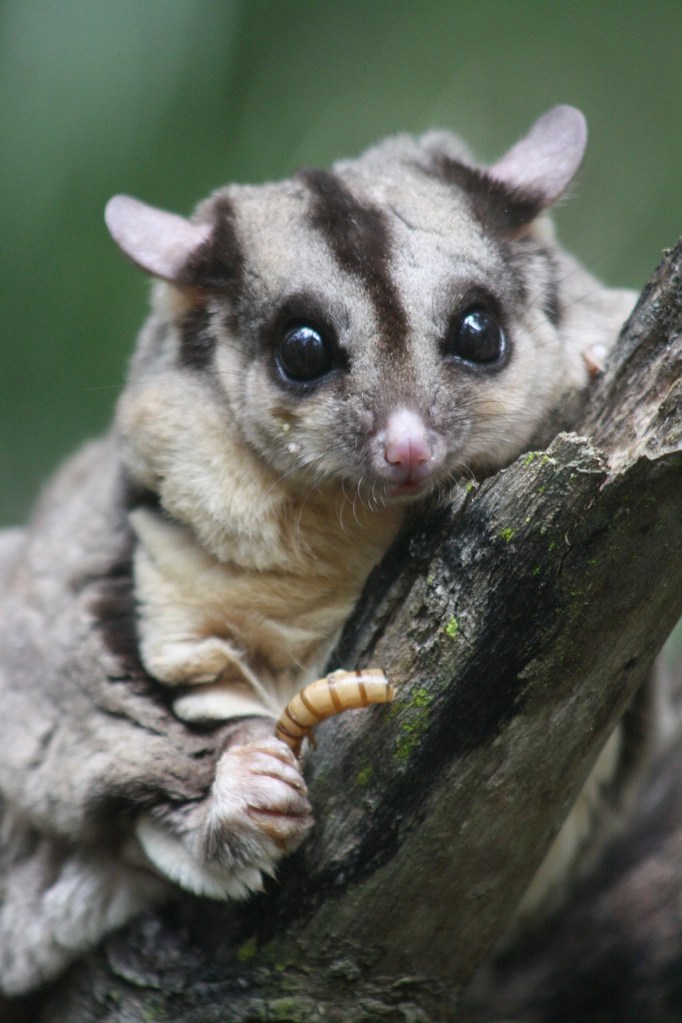
Squirrel Glider

What Makes a Marsupial, a Marsupial?

Let’s start with the basics. Marsupials are a special group of mammals known for one iconic feature: the pouch. That’s right — it’s not just for show. Mother marsupials carry and nurse their young in a pouch, giving their little joeys the best start in life. Unlike placental mammals, marsupial babies are born incredibly underdeveloped and must crawl into the pouch to continue growing.

So next time you see a joey’s head poking out of a kangaroo’s pouch, just know you’re witnessing one of nature’s most fascinating parenting techniques. It’s like a mobile nursery — talk about multitasking!

Our Hopping, Climbing, Burrowing Heroes

Now, let’s meet some of the stars of the marsupial kingdom:

Kangaroos are the high-jumpers of the animal world. With legs built for bouncing and tails made for balance, these iconic Aussies can leap over three metres in a single bound. That’s more than the height of your average front yard tree!

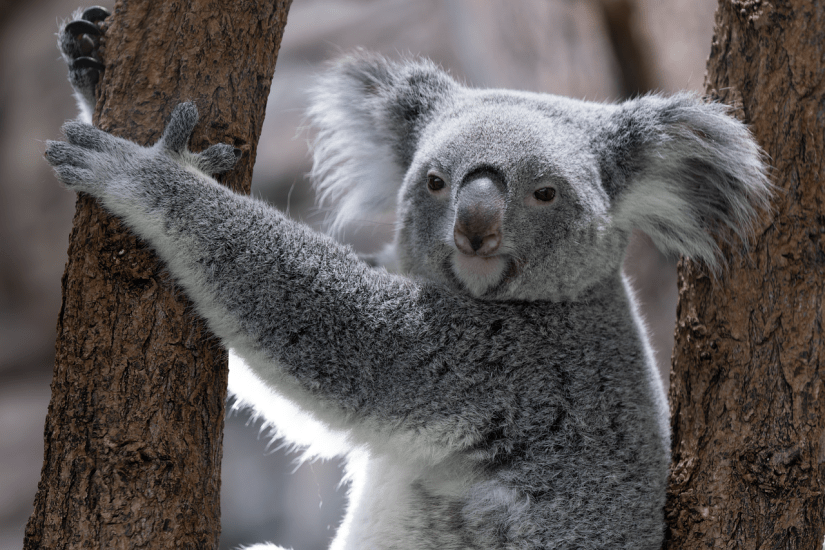
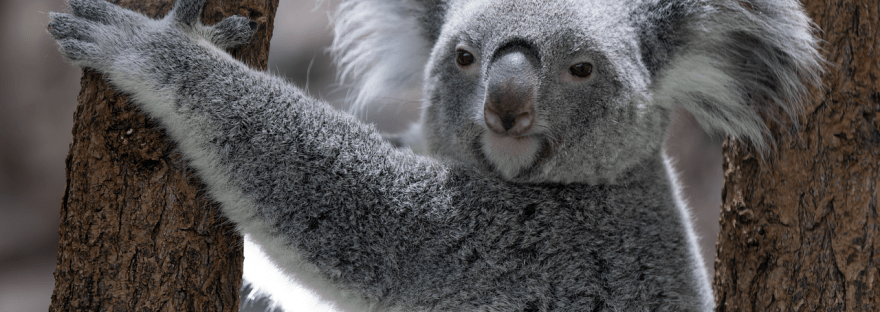
Koalas, our eucalyptus-munching tree-huggers, are nature’s sleepyheads. They spend up to 20 hours a day snoozing — and when they’re not napping, they’re munching on eucalyptus leaves, which are both their food and water source. Talk about low-maintenance!

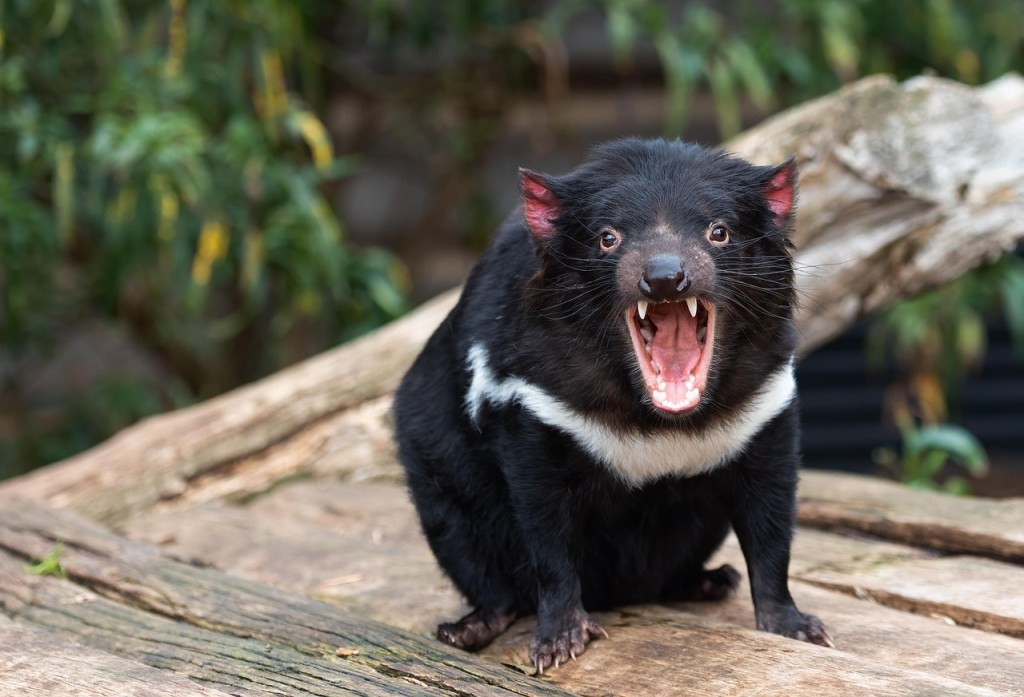
Then we’ve got the Tasmanian devil, a loud little legend with a powerful bite and a critical role in keeping our forests clean by devouring carrion. And no, they don’t spin around in tornadoes (sorry, cartoon fans).

Sandhill Dunnart (Sminthopsis psammophila)” by Alinytjara Wilurara Landscape Board, via Landscape SA, licensed under CC BY 3.0 AU.
Spotted Quoll

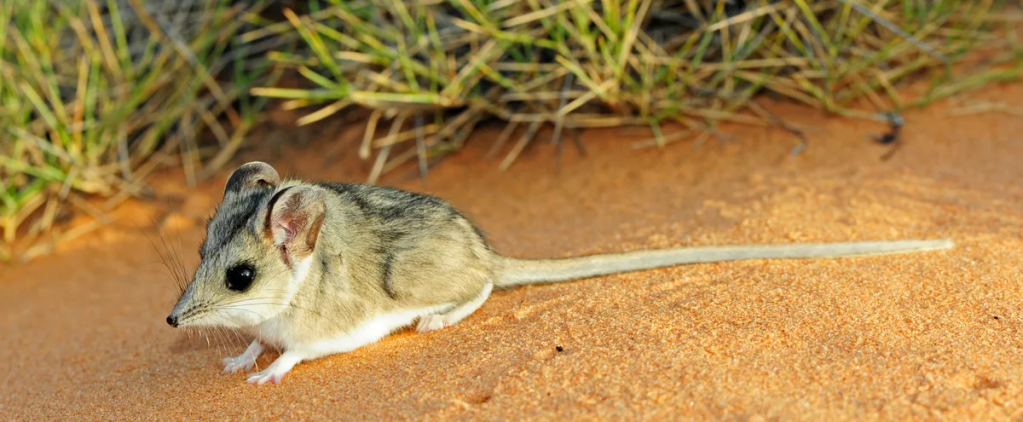
Don’t forget about the smaller marsupials too! Dunnarts are tiny insectivores that hunt at night, and quolls are agile predators with a spotted coat and a keen nose. These lesser-known marsupials are just as marvellous — think of them as the indie rockstars of the marsupial scene.

Why Marsupials Matter

Marsupials aren’t just cute — they’re essential to Australia’s ecosystems. Each species plays a role in keeping the balance:

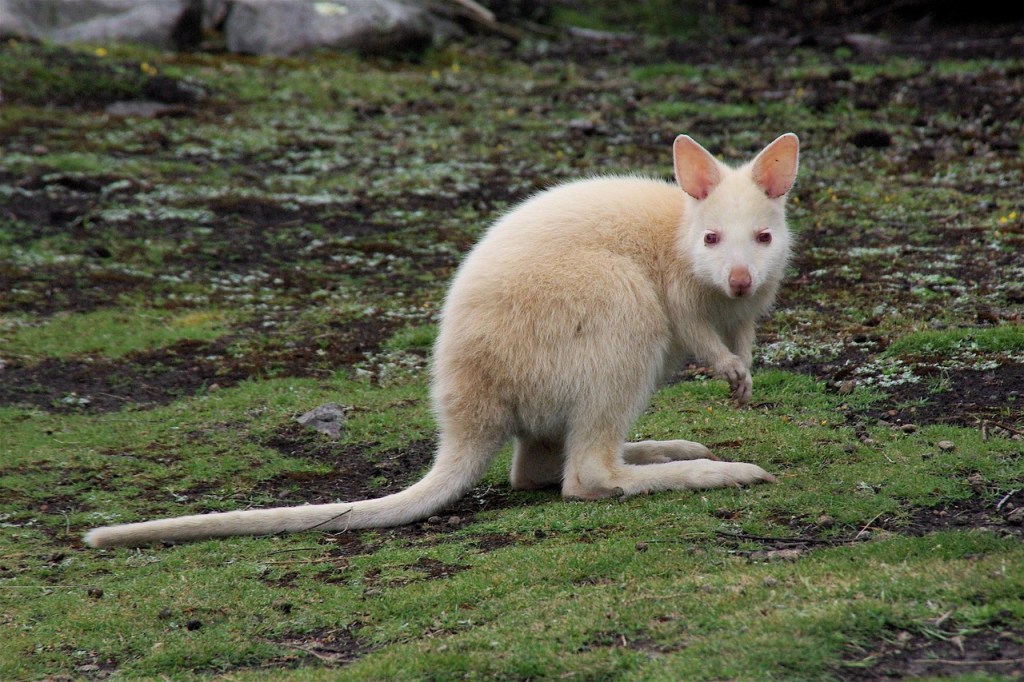
  • Wombats, and wallabies are nature’s landscapers, helping to spread seeds and aerate the soil.
  • Possums act as insect control and pollinators.
  • Carnivorous marsupials like Tasmanian devils are nature’s clean-up crew.

In a way, they’re like the behind-the-scenes crew of a wildlife production — you might not always notice them, but nothing would work quite right without them.

Southern Hairy-Nosed Wombat
Possum

Facing the Threats

Unfortunately, our marsupial mates are under threat. Habitat loss, introduced predators, climate change, and disease are putting many species at risk. From shrinking forests to deadly bushfires, their homes and food sources are disappearing.

The good news? There’s hope. Conservation efforts across Australia are working hard to protect marsupial habitats and educate communities. And that includes you! By learning, sharing, and supporting, you’re part of the solution.

So next time you see a kangaroo on a country drive or a possum in your backyard, give a little nod of respect. These incredible animals are part of Australia’s natural story — and they need all of us to help write the next chapter.

Let’s Keep the Curiosity Hopping!

Loved this quick marsupial deep-dive? Then you’re in the right place. Subscribe to my blog, W. A. Greenly, for more fun and family-friendly nature facts, Aussie wildlife wonders, and ways you can help protect the planet — one post at a time.

And don’t forget to hop over to my YouTube channel, Critter Quest Earth, where you’ll find vibrant, bite-sized videos packed with colour, fun, and science. The marsupial video this article is based on is only 1.5 minutes long — perfect for kids, classrooms, and anyone who loves a quick nature fix!

Together, we can spread the joy of Australia’s wild world, one joey, wombat and giggle at a time.

Thanks for stopping by! Until next time — stay curious, stay kind to nature, and keep adventuring with your eyes wide open. There’s a whole wild world out there waiting to be discovered.

Please subscribe to receive my latest posts and videos all about nature & science straight to your email inbox. 🌏👩🏽‍🔬😀

climate change, environment, Environmental Lessons, Fiction, Uncategorized

Wrong Place, Wrong Time: A Time Travel Tale from the Brave New World

Once a month my local writing group sets a theme for a piece of writing each member will submit. This month’s topic was “Brave New World”.

Brave New World

‘Welcome passengers to Brave New World Futurelines maiden future flight, flight BNWF001. The first-ever flight taking you into the future,’ announced the voice over the in-flight PA system.

The announcement certainly didn’t go unnoticed as everyone on board, bar me, clapped in recognition of what was to be a truly historical journey. Our plane was not too dissimilar to most planes, full of excited passengers and their carry-on luggage, knowing exactly where they were going and when they’d get there. Except, when most planes take off, the passengers on board expect to arrive at their destination within an hour or two, maybe more. Not our plane. Our plane would set down again in just a few minutes time according to our watches, but in the year 2165, some one hundred and forty years from when it departed.

‘This is your captain speaking, today we are expecting smooth time travelling conditions, little if any timebulance, and we will set down as per schedule in the year 2165 in around about fourteen minutes from now. I’ve just been in contact with Sydney Futureport and as pre-empted, they’re expecting our arrival. The tarmac will be clear, and we expect no delays. Sit back, enjoy the futureflight, and dream of a wonderful time in the future.’

Even with just fourteen minutes, I planned to do just that. I’d already located the complimentary inflight magazine and began flicking the pages.

Climate Change. Over Exploitation. Plastic Pollution. Overpopulation.

‘Ugh! No thanks!’ I announced in disgust. As per usual, the headlines were rather distasteful. Gladly, I wouldn’t have to worry about all that where I was going, and I wasn’t going to spend my time reading about it on this futureflight either. I swapped the inflight magazine for the headset I’d located in the back pocket of the seat in front of me and I was just sliding them over my ears when…

‘Exciting isn’t it,’ said the small lady sitting beside me.

In an effort to show I wasn’t interested in idle conversation I overaccentuated the lifting of the headphone from my left ear as I leant closer.

‘Sorry, what’s that?’

‘Exciting isn’t it,’ repeated the lady, her grin almost as wide as the Futureplane was long.

‘Oh yes, indeed,’ I agreed, before quickly turning away and releasing the headset back onto my ear.

By shutting my eyes and leaning back into my chair I thought I had made it obvious I wasn’t up for idle chit-chat. I still heard the woman’s muffled voice saying something, possibly along the lines of ‘What if we aren’t the first to arrive’. But, I wasn’t even sure if she was speaking to me, and I certainly wasn’t opening my eyes to find out. A few more moments passed, and I’d barely flicked through all the optional channels and decided on something before the sound cut out and the Captain’s voice rang over the PA once again.

‘Passengers, we are now reducing time travelling speed and we will be appearing on Sydney Futureport future strip in under around thirty seconds. We hope you’ve had a memorable flight and wish you all the best in the future.’

Just as the captain instructed, about thirty seconds from his announcement the seatbelt light switched off and the cabin door opened. Within a few seconds, the other passengers and I on Brave New World Futurelines maiden future flight were scurrying across the tarmac. We followed the painted arrows on the ground to where they stopped just short of a set of electronic doors not too dissimilar to those we were used to.

‘Hello future migrants, welcome to 2165,’ said a softened electronically charged voice as a small light mounted on the eve above the doors flashed reds and greens in unison with it.

‘Have your passports ready and your medical clear…,’ suddenly, the electronic voice cut out.

We all stood there staring at the small light, not knowing what to do. We waited, half expecting the voice to begin talking again. A couple of minutes went by before a frazzled man approached the door from the inside. We watched as he took a set of keys from his pocket trying a few before using his arms to pry the doors open.

‘Sorry everybody,’ he said. ‘The future is not short of technical problems.’

Just as he paused, the small light dropped out of the eave above his head and hung there, dangling by a lone wire.

‘Or financial problems,’ added the man as he peered up. ‘Everyone, please have your passports and medical clearances ready and follow me. We’ll get you all checked in within a jiffy.’

As we followed, we all sifted through our pockets and carry-on luggage in search of the documents he’d requested we have ready. Looking around, it became obvious that not much was different in this present from the one we’d left a little over six minutes ago. The futureport seemed similar to the airports from 2025. There were possibly some technological advances, all be it in need of repair, and there seemed to be more of a security and police presence. But apart from that, not much seemed different.

‘Here we are then,’ said the man as he stopped by a tall counter that separated us from the attendants sitting behind.

Standing there waiting to be served reminded me of waiting for service at the bank as the attendants were separated from us by not only the tall counter but a thick, glass security screen. The only difference being, here there were several armed security guards observing us.

‘Who’s next?’ asked one of the attendants, raising her arm.

During the short walk from the doors where the man had met us to the desk, I’d been sure to get in front of everybody. I stepped forward. I hoped to speed things up by placing my passport and medical clearance down on the desk face up ready for the attendant.

‘Just off of flight BNWF001, the first flight ever to leave the past,’ I announced proudly. ‘Frank Laidlaw’s the name.’

However, the attendant didn’t seem impressed. She just gave me the faintest of smiles, looked back at her screen, and processed my documents.

‘Ah, okay then. Well, I’ll be needing to book a flight back to the past,’ I said as I looked around. ‘Where can I do that?’

The attendant looked over toward me, then directly at the group of security guards standing nearby.

‘Sir, I regretfully inform you that here in the year 2165 time travel is outlawed. Has been for some decades now,’ explained the attendant.

Immediately I was taken back. How would I ever get back? There must be some way! But voicing these questions and concerns to the attendant didn’t get me anywhere.

‘Sir I’m going to have to ask you to calm down.’

Then I noticed two of the security guards heading over.

‘But there must be some way? There must be something you can do?’

The security guards now stood right by me on either side.

‘I’m finished with this one,’ said the lady, holding out my documents.

But before I could, one of the security guards reached forward and took them from her.

‘Right, come on sir, we’ll show you the way.’

This time I stayed quiet as both the men who now escorted me seemed to be the type not to argue with. They led me out the front door of the futureport where a couple of police officers took up tail following behind, and right up to a large police bus that sat out the front. Strangely, there were several of these lined up, all in a row one behind the other.

‘Right, on you get,’ announced one of the officers from behind me.

‘What?’ I responded in shock. ‘This can’t be, I haven’t done anything. If I was rude in there I apologise. Just let me go and I’ll find some accommodation nearby and be out of your hands.’

‘Ha!’ scoffed the officer. ‘Wrong place, wrong time!’ he mocked me. ‘Typical entitled pasty. You time jumpers just think you can rock up anywhere and live free without causing anyone any issues do you? All while our time suffers, overflowing with pastys like yourself looking to experience the wonderful future. Well, your future is our present, and you’ve ruined it!’

The look of disgust on the pair of officers’ faces was frightening. I didn’t know what to say, and I hadn’t the chance before the security guard shoved me through the door and onto the awaiting bus.

‘Accommodation you say,’ added the other officer as he looked at my passport before he tossed it on board. ‘Well Frank Laidlaw, we’ve got your accommodation sorted!’

‘Oh, thank heavens,’ I said in relief.

‘The timegration camp north of here!’ said the officer, before shutting the door swiftly and locking it behind me.

As I sat there pondering what had just occurred, the other passengers from flight BNWF001 arrived one after the other, each just as shocked as me. It occurred to me, that the woman I had set next to during the futureflight was right. While we were on the first plane that took off destined for the future, it was obvious now we most certainly weren’t the first to arrive here from the past.

Fiction, Uncategorized

The Unexpected

Once a month my local writing group sets a theme for a piece of writing each member will submit. This month’s topic was “The Unexpected”.

The Unexpected

At the Doc’s.

‘Good evening,’ said the Doc. ‘How have you both been?’ she asked cautiously as always.

We sat still, waiting. We’d all agreed long ago, me, Clay, and the Doc, that neither Clay nor I would talk until she addressed us by the proper name.

‘Clay, you first’ she said staring with her brown eyes into mine as she remembered our agreement.

‘Well, pretty good Doc,’ said Clay in his usual positive fashion.

She smiled softly, almost flirtatiously, and Clay smiled iridescently back at her.

‘And Hank, does ‘good’ resonate with you?’ she asked, staring deeper into my eyes again.

Anyone would have noticed her look quickly change to one much more serious when addressing me. Surprise, surprise I thought. ‘Pfft, talk about an overstatement’ I responded. ‘It’s all good for him, he does all the apologising, cleans everything up, while I just keep on Hank’ing things and stuffing everything up!’ I went silent as the day’s events ran through my mind.

That morning in the drive.

I can’t do it. I sat there in the drive breathing uncontrollably, my hand clutching the key which sat in the off position.

‘Every day is a new day!’ on call, Clay broke the silence.

Easy for him to say, goody-two-shoes.

‘Another day, another chance to prove yourself,’ he said in his usual encouraging manner.

I rolled my eyes. Another chance to cock-up more like it.

Work.

‘There you go, be sure to have a good day,’ I handed the lady her change. Well, things are going ok.

‘Oh, I’m sorry dear, but I gave you a twenty and you’ve only given me change for a ten,’ insisted the lady.

‘What are you implying?’ I quickly snapped back at the old duck. ‘I haven’t ripped you off, you’re senseless, you gave me a ten and you know it!’ She just stared back at me dazed. Damn. I squeezed my eyes shut and grasped the till drawer with both hands, pausing for a moment before taking a breath.

‘I’m sorry miss, that was very rude indeed,’ said Clay on cue. ‘If you say it was twenty then I believe you, we’ll get this sorted straight away,’ he insisted as he reached into the drawer.

‘Clay, I gave her a…’ I began to explain again as I grasped the till and breathed heavily but he quickly cut me off.

‘Nope, the customer is always right,’ he said. ‘Here is the other ten dollars,’ he smiled and handed it over.

Typical.

The manager’s office.

‘We’ve had a complaint,’ said the manager, leaning back in her chair, studying me.

She thinks I’m a looney. ‘It was an accident all right! The old duck’s crazy! Thought I short-changed her.’ I felt a weight had begun pressing down on me and darkness clouded the room.

‘Let’s just calm down,’ she insisted. ‘I wasn’t there, but what I do know is that she’s been coming here several years, and we’ve never had a problem,’ she explained. ‘If there’s ever a problem with change just call me, we’ll count back the till or check the cameras, make sure we sort it,’ she insisted. ‘But one thing, we never talk to our customers like that.’

No, here come the nauseating butterflies. I lowered my head towards my lap clenching my eyelids and breathing heavily.

‘I assure you it was an accident,’ said Clay, his eyes meeting the managers. ‘I sincerely apologise for Hank’s behaviour, and you can be sure this won’t happen again.’

I watched the manager. She looked slightly confused, but then appeared strangely satisfied. Clay the brown noser.

The drug store.

‘No one there will remember you,’ I recalled Clay’s assuring words as I walked in. What a fruit. He’d convinced me everything would be fine, but when I walked in it was a vastly different story. Like an outlaw entering a small saloon, I felt everyone’s eyes glued to me. Watching.

‘Hello,’ said the attendant with a cloying smile. ‘How can I help you?’

‘The prescription,’ I replied hastily while gesturing toward the paper I’d already placed on the desk in front of him. Like he didn’t know why I was here. ‘You don’t have to pretend; I’m not an idiot,’ I couldn’t hold the peace. He just smiled back at me kindly.

‘I know you’re not an idiot, Hank. I’ll get right on it, ok?’

He thinks I’m crazy. The way he treated me made it obvious. Overly kind, but for no apparent reason. Searching the room again I saw them all staring like I’m some kind of circus attraction. They all think I’m crazy.

‘There you are sir,’ he said, handing me a small paper bag.

Clearly, he’d done his best to get me out of there quickly. ‘I SEE YOU ALL STARING YA KNOW!’ I threw my money down and left.

That night after seeing the Doc.

I stood in the bathroom brushing my teeth. Saddened once more by my lone reflection. As usual, I began to reminisce about the Doc and our time with her just hours earlier.

‘You know, you’d get much further with her if you just talked more,’ Clay couldn’t help but ruin the tranquillity with his pragmatic opinion.

I splashed my face. Just shut up. ‘And what, be more like you Clay? Is that what you want me to do?’ I said aloud, glancing into the mirror.

‘You know Hank, if you just did what she instructed, you may be able to communicate better.’

‘Oh, and then what Clay? You idiot! You think she’d have time for us once we’re cured?’

‘You know, I’ve got a good mind to tell her, Hank.’

‘You’ve been taking the medication? As prescribed?’ I remembered the Doc’s interrogating words.

‘ARGH!’ I reached for the wiry waste bin in the corner that overflowed with unopened packets of medication. I picked it up and hurled it against the glass. ‘Well go on then Clay! Mr nice guy! Tell her! tell her everything!’ I stared deeply into the broken mirror. I know you won’t. ‘You know Clay, she loves your smile.’

Clay’s sharpened smile became visible, broken only by the web of fractured glass.

You and I both know you like seeing her just as much as I do Clay.

Return to W. A. Greenly’s Fiction Writing Menu.

Return to W. A. Greenly’s Homepage.