South Australia’s coastline is changing faster than ever — and it’s not just the tides causing concern. If you’ve noticed shifting shorelines, declining wildlife, or worrying news about our oceans, you’re not imagining it. The reality is harsher than many realise, and the time to understand what’s happening is now.
Feeling overwhelmed or unsure about what this means for our environment and communities? You are not alone. Every week, thousands of readers turn to this blog for clear, science-backed explanations that cut through the noise and help you make sense of these urgent changes.
So please, take a second and subscribe below to join a community committed to learning, sharing, and protecting our coastlines and all things nature!
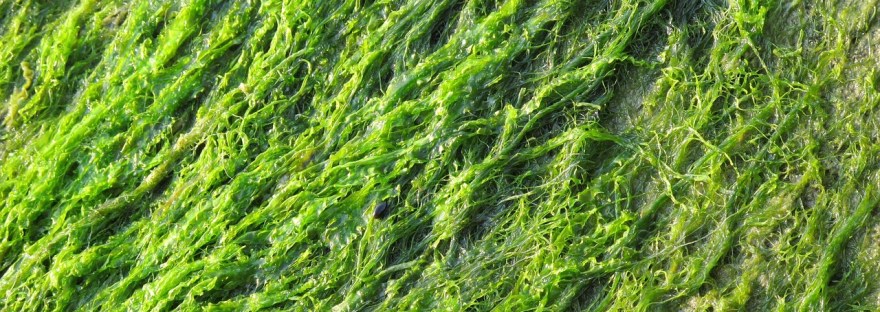
Recently, My Local Coastline in South Australia Has Been Overcome by an Algal Bloom.
In the past few weeks, the usually pristine beaches of South Australia have taken on an eerie new look. Locals walking along the coastlines from Port Noarlunga to the Yorke Peninsula have been greeted not by crashing waves or curious dolphins, but by the grim sight of dead fish scattered along the sand. Reports have included mass deaths of sardines, snapper, and mulloway—species critical to local ecosystems and fisheries alike. The cause? A large-scale algal bloom that’s spread rapidly through Gulf St Vincent and adjacent waters.
This isn’t just a freak occurrence. Scientists and marine authorities have confirmed that the deaths are linked to a sudden explosion of microscopic algae in coastal waters, triggered by a mix of environmental conditions. These so-called algal blooms might sound harmless—just some greenish water, right? But in reality, they can suffocate marine life, poison ecosystems, and devastate economies that rely on fishing and tourism.
So what exactly are algal blooms, and why are they happening now?
The Wonders and Woes of Algae
Algae are often misunderstood. Though not plants, animals, or fungi, they’re foundational to life on Earth. Ranging from single-celled phytoplankton to massive seaweeds like kelp, algae contribute up to 80% of the planet’s oxygen and are central to aquatic food webs (Field et al., 1998). Without them, the oceans—and life as we know it—would cease to function.
But like many things in nature, balance is key. When that balance tips, algae can go from life-givers to ecosystem killers.
The Emergence of Algal Blooms: Causes and Consequences
What Triggers an Algal Bloom?
An algal bloom occurs when environmental conditions allow algae to grow out of control. The main culprit? Nutrient overload—particularly nitrogen and phosphorus—usually from sources like:
- Agricultural runoff
- Urban wastewater
- Industrial discharge
- Flood-related land drainage
This process, known as eutrophication, fuels algae like fertiliser fuels weeds. Once the bloom reaches its peak, it often leads to massive die-offs of the very algae that caused it. As these organisms decay, bacteria consume oxygen in the water—leading to hypoxia, or dangerously low oxygen levels (Diaz & Rosenberg, 2008). Marine life either suffocates or flees.
Fish Kills, Toxins, and Rising Temperatures
What’s happening along South Australia’s coast is a textbook case of hypoxia. As the bloom suffocated waters, thousands of fish lost their oxygen supply. This has been compounded by reports of Karenia brevis-like species and other dinoflagellates—algae known to produce powerful toxins—spiking in the region (Hallegraeff, 2003).
Adding fuel to the fire, South Australia has also recently experienced a marine heatwave, with sea surface temperatures significantly above average. These warmer waters have created ideal conditions for algal growth by accelerating photosynthetic activity and extending the lifespan of blooms (Oliver et al., 2018). Marine heatwaves can also reduce ocean mixing, leading to more stable, stratified layers in the water column—conditions that further encourage harmful blooms to thrive (Smale et al., 2019).
Some algal blooms release neurotoxins that bioaccumulate in shellfish and small fish, posing a danger not just to marine life, but also to humans through seafood consumption. These harmful algal blooms (HABs) have led to shellfish harvest closures and health warnings in multiple Australian states in past years.
Why Now? Climate, Floods, and Human Influence
South Australia’s recent bloom didn’t happen in isolation. Several natural and unnatural factors have come together to create a perfect storm:
- Cool water upwelling off the coast brought nutrient-rich waters to the surface, a natural driver of algal productivity.
- Stagnant, low-circulation conditions in enclosed gulfs like Spencer Gulf and Gulf St Vincent allowed algae to accumulate.
- Recent flood events flushed excess nutrients—like nitrogen and phosphorus—into marine environments from far inland (Drewry et al., 2006).
- Rising ocean temperatures, driven in part by a regional marine heatwave, increased stratification and favoured algae dominance over other marine planktonic organisms (Oliver et al., 2018; Smale et al., 2019).
- Climate change continues to intensify these conditions, creating a feedback loop where blooms become more frequent, persistent, and damaging (Paerl & Huisman, 2008).
What we’re witnessing is not just a natural occurrence—it’s an ecological event supercharged by human activity and warming seas.
So What Can We Do About It?
1. Reduce Nutrient Pollution
Cutting down fertiliser runoff, improving wastewater treatment, and implementing buffer zones along rivers and coasts are critical steps. We need to address the source, not just the symptoms.
2. Improve Monitoring
Real-time satellite data and water quality testing can help forecast and manage blooms before they cause mass die-offs. Citizen science efforts can also play a key role in early warning systems.
3. Restore Natural Defences
Wetlands and seagrass beds naturally absorb and filter nutrients. Protecting and restoring these habitats can provide long-term buffers against algal overgrowth.
Conclusion: What’s Happened in South Australia?
In short, a toxic cocktail of natural conditions—like upwelling, stagnant currents, and warmer-than-usual ocean temperatures due to a marine heatwave—combined with human-caused impacts—nutrient runoff from floods, climate change, and coastal development—has led to the algal bloom blanketing our coastline.
This event is a stark reminder of the fragile balance within our marine ecosystems. While algae are fundamental to life on Earth, when the balance tips, they can just as easily bring death to the waters they once sustained.
Moving forward, we must take a proactive, science-backed approach to managing water quality, climate impacts, and ocean warming—not just for South Australia, but for coastlines around the globe.
Thanks again for reading — this article’s a labour of love.
If you care about nature and want more people to see science-based stories like this, please take a few seconds to subscribe, like, or share. It’ll help the world more than you think — and it means the world to me too.
When you’re done subscribing and sharing, check out the video below!
References
- Diaz, R. J., and R. Rosenberg. 2008. “Spreading Dead Zones and Consequences for Marine Ecosystems.” Science 321 (5891): 926–929. https://doi.org/10.1126/science.1156401
- Drewry, J. J., Newham, L. T. H., and Greene, R. S. B. 2006. “A Review of Nitrogen and Phosphorus Export to Waterways: Context for Catchment Modelling.” Marine and Freshwater Research 57 (8): 757–774. https://doi.org/10.1071/MF05166
- Field, C. B., Behrenfeld, M. J., Randerson, J. T., and Falkowski, P. 1998. “Primary Production of the Biosphere: Integrating Terrestrial and Oceanic Components.” Science 281 (5374): 237–240. https://doi.org/10.1126/science.281.5374.237
- Hallegraeff, G. M. 2003. “Harmful Algal Blooms: A Global Overview.” In Manual on Harmful Marine Microalgae, edited by G. M. Hallegraeff, D. M. Anderson, and A. D. Cembella. UNESCO.
- Oliver, E. C. J., Donat, M. G., Burrows, M. T., Moore, P. J., Smale, D. A., Alexander, L. V., Benthuysen, J. A., et al. 2018. “Longer and More Frequent Marine Heatwaves over the Past Century.” Nature Communications 9: 1324. https://doi.org/10.1038/s41467-018-03732-9
- Paerl, H. W., and Huisman, J. 2008. “Climate: Blooms Like It Hot.” Science 320 (5872): 57–58. https://doi.org/10.1126/science.1155398
- Smale, D. A., Wernberg, T., Oliver, E. C. J., Thomsen, M. S., Harvey, B. P., Straub, S. C., Burrows, M. T., et al. 2019. “Marine Heatwaves Threaten Global Biodiversity and the Provision of Ecosystem Services.” Nature Climate Change 9: 306–312. https://doi.org/10.1038/s41558-019-0412-1
 W. A. Greenly.