Coral reefs are dying — but most people don’t even know what coral is.
That’s not your fault. Between the headlines, the heatwaves, and the heartache, it’s easy to feel overwhelmed or switch off entirely. But what if understanding these underwater cities could actually reconnect us — to nature, to awe, and to hope?
If you’ve ever marvelled at a reef from above, watched a David Attenborough doco on loop, or just want science made simple and wonder-filled — you’re in the right place.
Please, subscribe now and dive into a calmer, clearer climate conversation. No guilt trips. Just great stories, beautiful science, and practical ways to care.
If you don’t swim but adore marine life, allow me to be your guide to the vibrant world of coral reefs. Whether you paddle in rock pools or prefer to stay high and dry with a cuppa and a good David Attenborough doco, one thing’s for sure — the Kingdom of Corals is a realm like no other. Today, we’re diving into the underwater cities that never sleep. Strap in, because this isn’t just another fish tale — it’s a technicolour plunge into one of Earth’s most astonishing ecosystems.
What Is Coral, really? (Spoiler: It’s Alive!)
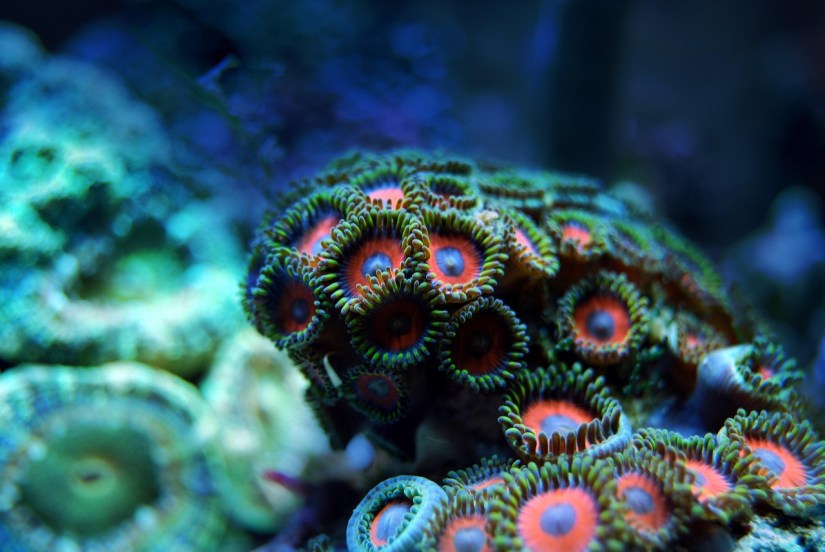
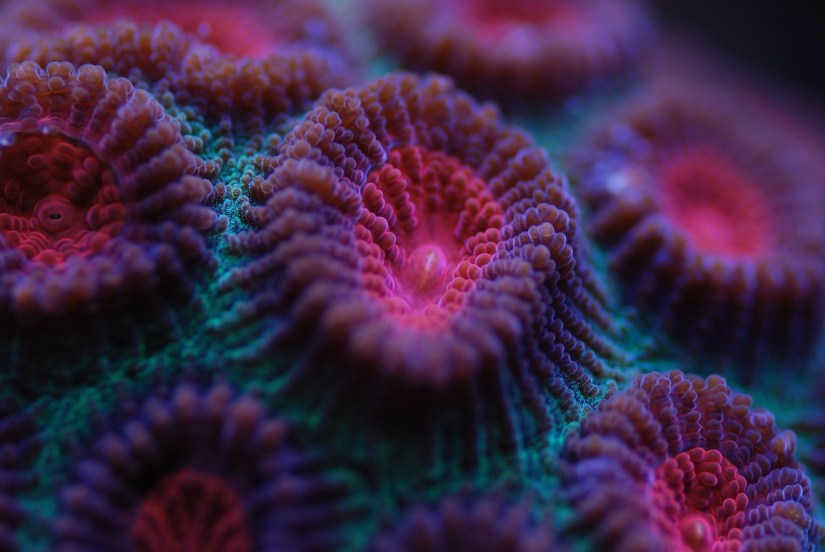
Coral might look like colourful rock candy glued to the seafloor, but surprise! It’s made of thousands of tiny animals called polyps. These little critters — no bigger than a grain of rice — are part jellyfish, part master mason.
Each polyp builds its own limestone cup (kind of like a snail with a love of architecture). Together, they form vast colonies that grow into coral reefs — the giant, bustling marine metropolises of the ocean.
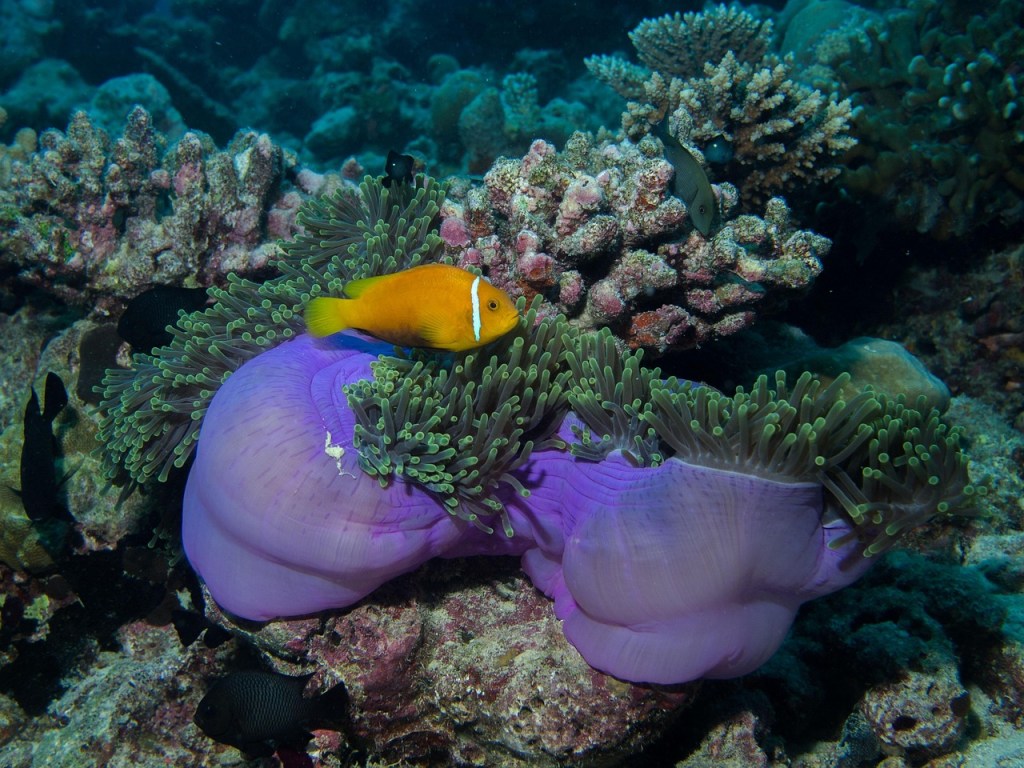
Even more amazing? Coral polyps have a secret roommate: a type of algae called zooxanthellae. These microscopic plant-like buddies live inside the coral’s tissues, providing food through photosynthesis. It’s a perfect flatmate situation — the algae get a safe home, and the coral gets fed. In Ecology, this is called symbiosis, it’s a Win-win!
Well… Until the water heats up — but more on that in a tick.
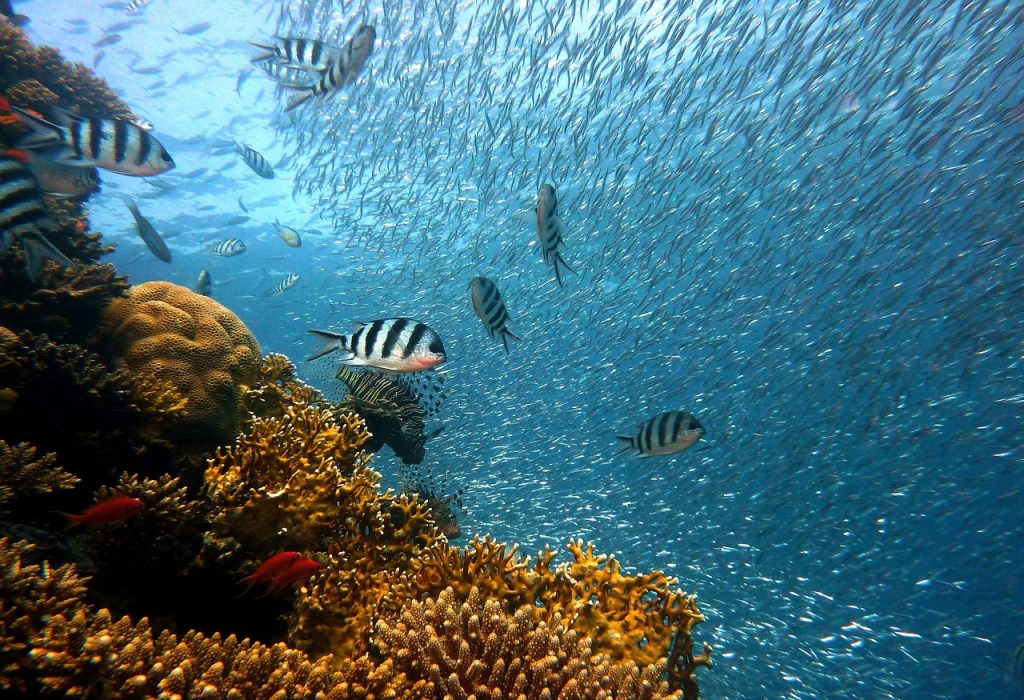
Coral Reefs: The Cities That Never Sleep
Coral reefs are like underwater cities during a street festival — full of colour, movement, and life. Even though they cover less than 1% of the ocean floor, they support over 25% of all marine life. That’s a quarter of the ocean’s species sharing the reef real estate!
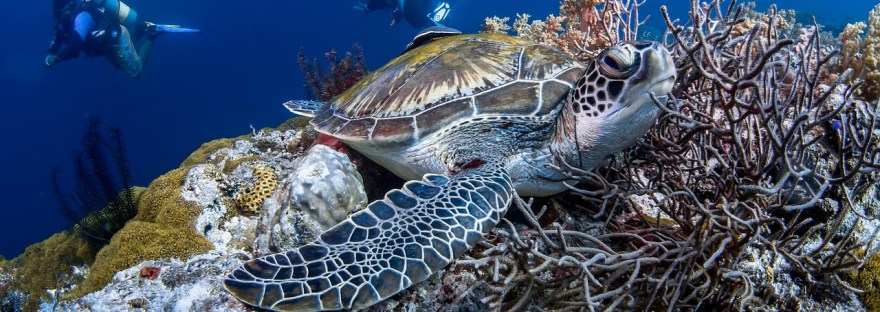
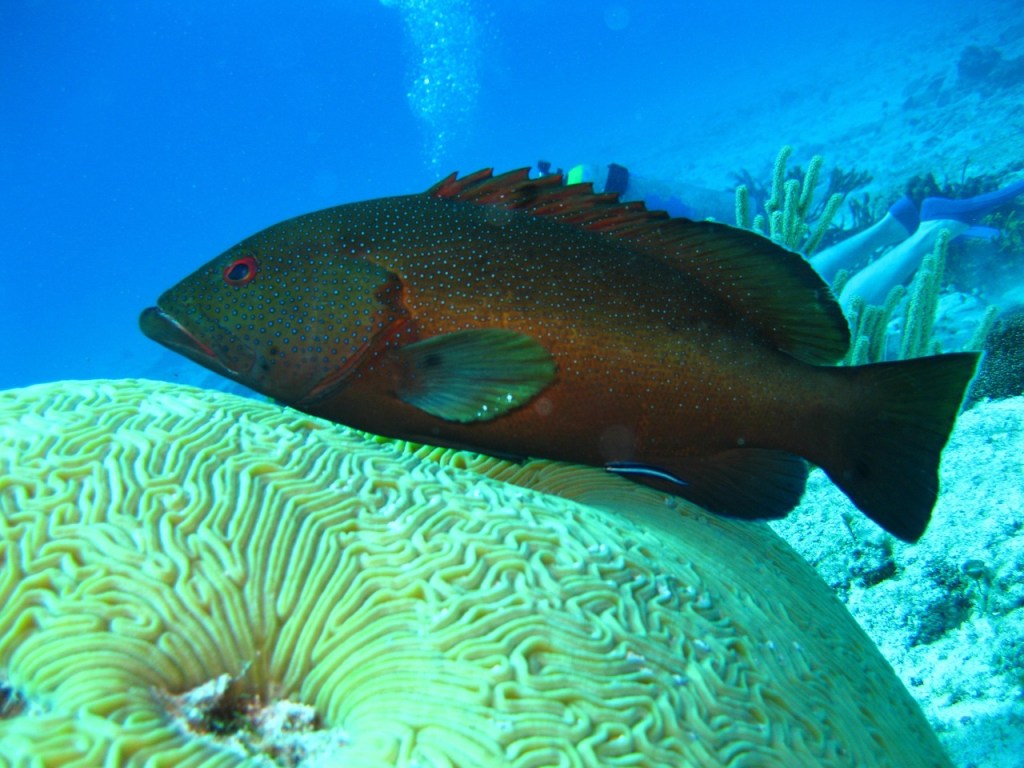
Fish in neon brights, camouflaged crustaceans, sea turtles, starfish, nudibranchs (Google those if you want to see some truly fabulous sea slugs), and even sharks — all rely on coral reefs to live, feed, and breed.
It’s no wonder coral reefs are called the rainforests of the sea. Except, well, with fewer leeches and a lot more fish that look like they’ve escaped from a tropical disco.
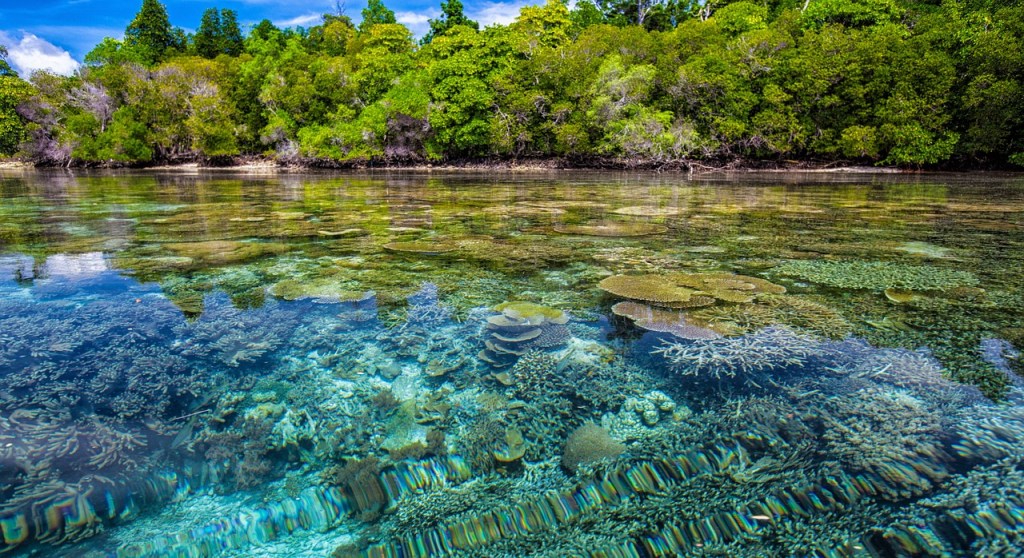
Why Should Humans Care?
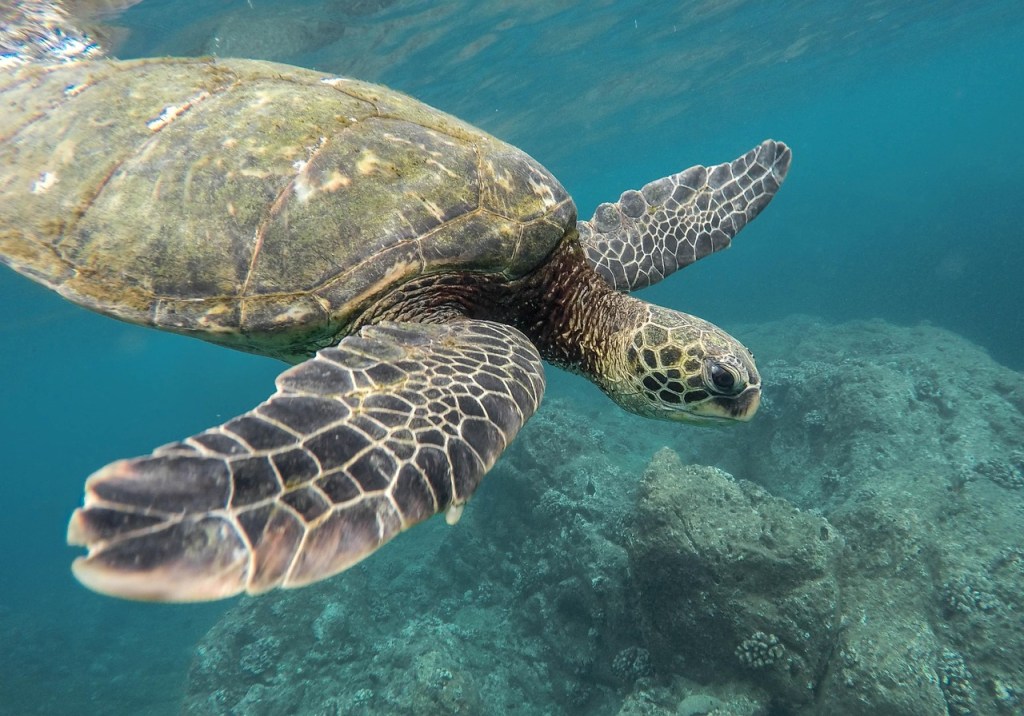
When I snorkelled Lady Musgrave Reef, one of the pristine coral cays in the Southern Great Barrier Reef, I was absolutely mesmerised. The electric blue tangs darting between coral towers, the graceful sway of anemones, and curious turtles gliding past — it felt like I was floating inside a living kaleidoscope. It’s something I’ll never forget.
Aside from being jaw-droppingly beautiful, coral reefs are super handy for us land-dwellers too:
- They’re nature’s coastal bodyguards, absorbing wave energy and reducing storm damage and erosion.
- Over 500 million people depend on reefs for food, fishing income, and tourism.
- Coral reefs are even pharmaceutical treasure troves, with scientists studying reef organisms to treat cancer, arthritis, bacterial infections, and more.
So next time you’re sipping a fruity drink on a tropical beach, spare a thought for the reef that’s keeping the waves at bay — and maybe even helping future you stay healthy.
Trouble in Paradise
Now, here’s where things get a little heavy. Like every great kingdom, the coral realm is under threat.
Climate Change and Coral Bleaching
Remember those algae roommates we mentioned? Coral needs them to survive. But when ocean temperatures rise, coral gets stressed and evicts the zooxanthellae. The result? Coral bleaching — the coral turns ghostly white and, without its algae, slowly starves.
It’s not just a fashion statement — it’s a warning sign. Prolonged bleaching can lead to widespread reef die-off.
Plastic Pollution and Chemicals
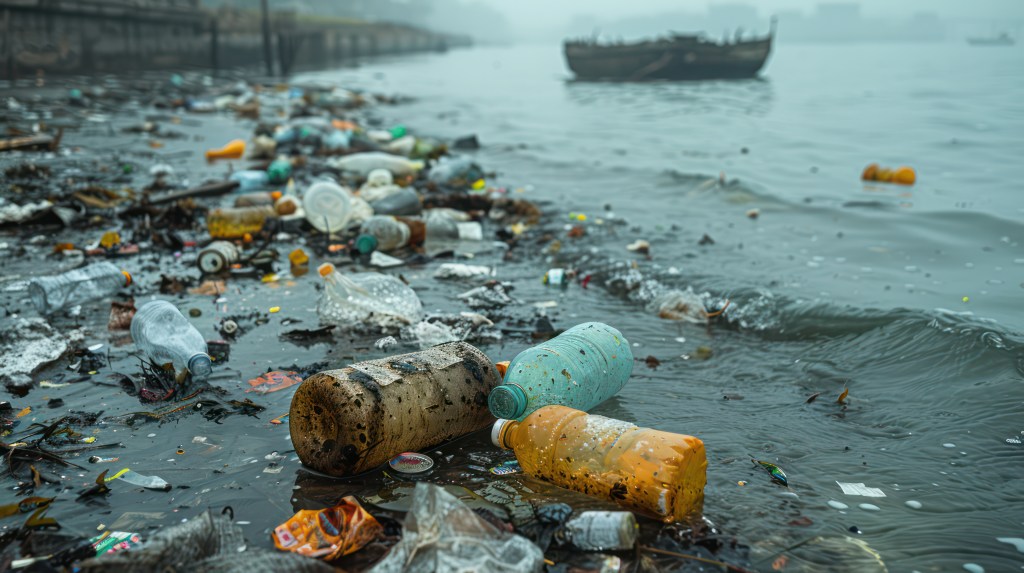
Corals are being choked by plastic debris, which can block sunlight and leach toxins into the water. Even our sunscreens are part of the problem — many contain chemicals like oxybenzone that damage coral DNA.
Yep, your holiday SPF might be giving the reef a headache.
Overfishing
Every reef has its food chain, and overfishing throws it out of whack. For example, parrotfish (the guys who chomp on coral and poop out sand — you’re literally sunbaking on their handiwork) help keep algae from smothering the reef.
Remove too many of them and the algae builds up quickly, smothering the coral until it can’t breathe. Without grazers like parrotfish, the reef struggles to stay healthy.
But Don’t Panic — There’s Hope!
Now for the good news: we can all help keep the Kingdom of Corals alive and thriving. No flippers required!
Here’s what you can do:
- Reduce your carbon footprint: Ride a bike, use public transport, eat less meat, and switch to renewables where you can.
- Say no to single-use plastics: Bring your own bags, bottles and straws. Skip the cling wrap.
- Choose sustainable seafood: Look for the Marine Stewardship Council (MSC) or similar certifications such as the Australian Sustainable Seafood Guide.
- Use reef-safe sunscreen: Check labels for oxybenzone and octinoxate, and avoid them.
- Support reef conservation: Donate to organisations or volunteer with marine projects.
Remember, even the smallest actions ripple out — just like waves on a healthy ocean.
Dive Deeper — Watch the Kingdom of Corals Come to Life!
Want to see the reefs in full technicolour? Check out my video “Kingdom of Corals” on Critter Quest Earth via the link below. My YouTube channel’s packed with adventure and the magic of nature! And, for more wild stories and science fun the whole family can enjoy, don’t forget to subscribe to my blog.
From the reef to the rainforest, we’re just getting started!
Please subscribe to receive my latest posts about nature & science straight to your email inbox. 🌏👩🏽🔬😀




 W. A. Greenly.