I wrote this piece to enter it into the City of Port Adelaide Enfield Nature Writing Competition. The requirements were a short story that must relate to any land, water or marine environment in the City of Port Adelaide Enfield area. My piece, Blue, was heavily inspired by my uncle’s connection with the region. Unfortunately, it did not make it to the finals but hopefully, others can still enjoy it.
Blue
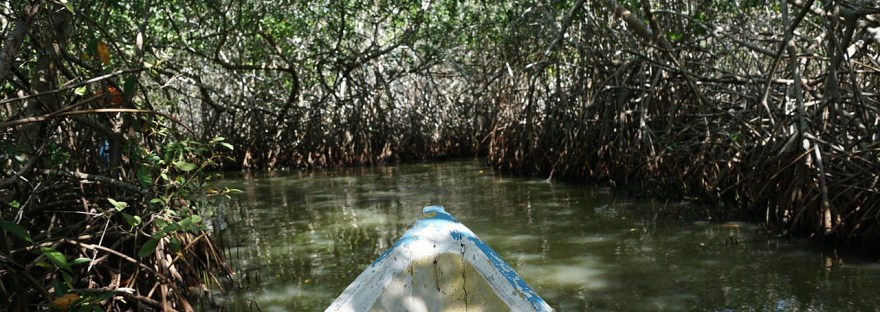
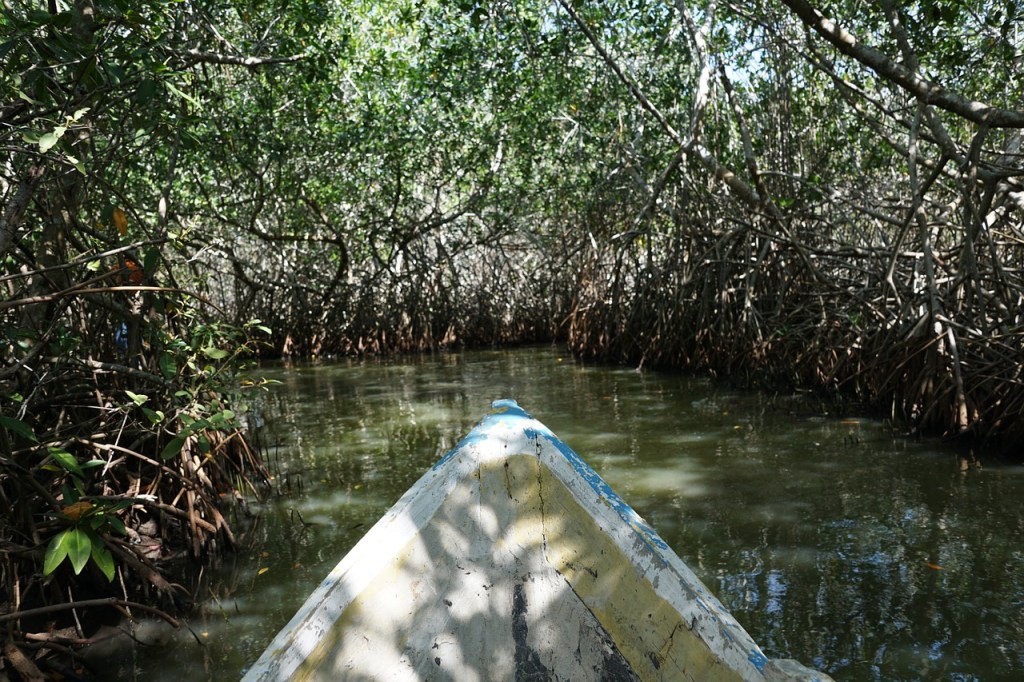
The subtle splash of his brittle paddle as it gently slapped the glass-like surface of North Arm Creek was all he could hear. Lining either side of the thinning tributary, thickets of grey mangroves strengthened the fragile banks. With every stroke, his weathered kayak was propelled further south as the dwindling creek’s neck tightened and grew ever shallower. Stopping to relax his tired arms, he rested the oar across his feeble legs, turning control of his vessel over to the ebb of the tide. He glanced down into the still jade water beside him, smiling as he saw the silhouettes of curious fingerlings making their ascent from the silty bottom. His hand rested gently on the tattered shoebox that sat on his lap.
“Stupid old fool,” he whispered to himself.
It would have never happened if he had not become complacent and cast his line so close to the bird in the first place. His foolishness, and his unweighted hook baited with a small fillet of pilchard, had already sealed the bird’s fate. The soft slap as it hit the water was enough to draw the bird’s attention and the glisten of sinking silver would prove too tempting. Thinking back, he saw the bird launch from its perch before diving into the water, though at that exact moment he’d thought nothing of it. Then he felt a strange weight on his line that resembled no fish he’d encountered before. He remembered the feeling of his heart sinking when he noticed the bird had not surfaced. Knowing the moments that followed would be crucial, he reeled slowly trying to be as careful as he possibly could. At one point, he even stopped, grasping the line with his hands and tugging gently in the hope the bird would pop free. They weren’t to be so lucky. He knew then that the only way to free the bird from his hook was to bring it in. Upon landing it, he took the bird in his hands and was surprised the barb came free so easily. At first, he thought perhaps their luck had turned, but with a second look, he could see the struggle had indeed left the bird vulnerable. He set it free immediately and watched as the bird tried, but gave up quickly. It squatted, huddled in one place looking back up at him fearfully. The bird could not fly. Left unattended the injury would have surely proven fatal.
His hand stroked the lid as he surveyed his surroundings. A lone ibis soared overhead. He watched it gliding through the air in a circular motion, descending with every turn before disappearing below the southern horizon. In the distance, a narrow shoal supported a pair of sooty oystercatchers who strolled leisurely, inquisitively probing the silt with their bills in their search for molluscs or worms. A sudden bursting breath of air interrupted the silence and a fine mist wet the back of his neck. He looked around to see two dolphins passing side by side. Each of their dorsal fins split the surface of the calm water before they twisted and turned, braiding themselves around one another and fading once more into the depths. Clutching his hands, he dipped them into the luring water scooping what he could to wet his face and arms. He breathed sharply.
“Things could be worse,” he directed his words toward the box.
For decades he’d lived here. Just like the bird he had migrated here, the only difference being the maritime industry had brought about his arrival, while the bird came and went seasonally as it wished. Early on, the threat of approaching southern storms had forced him here. His fishing crew and their vessel would often flee St. Vincent Gulf to lay low amongst the sheltered waters that the Port River system offered. Later, sailing on the ketch Falie had granted him the ability to continue navigating the waters he had grown to love while also allowing him to be home more often with his two young daughters. More recently, he had come to know the smaller and less accessible waterways of the region intimately. He’d now explored every branch of this inlet many times over and he was sure the bird on his lap had seen every nook and cranny too. But now his seafaring days were well behind him, and his daughters long moved on. Sadly, he knew this old kayak he’d salvaged from someone’s rubbish pile was all that offered him a taste of the freedom and connection he once knew. It was only his affection for nature and the draw of the water that kept him here and if anyone could relate, it was this bird in the box on his lap.
Opening the lid, he peered in. The bird sat still, looking up cautiously.
He’d spent the last few weeks rummaging through guides, doing all he could to care for it. He had sourced the appropriate feed and kept it restricted allowing it to rest. Never did he hand feed it; always he left its food amongst the soft dirt he had scattered on the floor of its temporary cage. He was strict on himself never to touch it, and when he did it was only to transport it between its cage and this shoebox. When he was certain the bird had healed enough, he’d left the cage door open allowing it to fly around his tiny, rented flat. He had observed it for hours upon hours, and then days on end until he was certain it had built up enough strength. Then, upon the first opportunity, he began attempts to release it, as he knew that with every day removed from the wild its chances of survival would diminish. Moving on is never easy, he thought to himself, but now it was time. A tear grew in his eye and his heart warmed to see the bird staring back at him.
“Don’t be a pushover,” he spurred himself on.
He lifted the lid of the shoebox right off and waited, not knowing what to expect. The bird looked up and around. Clear skies meant freedom and he knew they were unmistakable to a bird. But the bird sat still.
“Blue, it’s time,” he pleaded with the bird.
But still, Blue sat still.
This time would be different, he told himself, knowing he had come prepared. Gently, he placed the lid back on the box, picked up his paddle, and began moving toward the muddy banks. There, the branches of a grey mangrove offered a perch. Carefully, he grasped a snaggy branch to pull himself closer. While anchored in position, he removed a small round container from within his bag before popping the lid. He reached in grabbing hold of two sticky pieces of tentacle before dipping them in the salty water and laying them out in plain sight on the horizontal branch of the mangrove. Once he had readied himself, he lifted the lid on the shoe box once again. He tipped the box on an angle giving Blue no option but to hop onto the branch. Ensuring the bird safely found its footing, he watched for a brief moment as it immediately began poking the awaiting tentacles with its beak. This was his moment, he thought. Thrusting the oar against the trunk of the mangrove carefully, he pushed himself and his kayak away. It was done.
He sat for a moment, watching as Blue finished the feed. He chuckled adoringly as Blue turned to him and let loose an insistent call. He knew the bird was demanding more. Instinctively, he soothed it, whistling as they had done together countless times. Then the pair sat, watching each other as he drifted further away before taking his paddle and using it to turn his kayak northward.
He choked back tears.
“Best of luck, Blue,” he offered the parting words.
He would cherish their time together forever. But he dared not look back now. As he began to paddle away he immediately missed the bird, and his heart grew heavier and heavier. Despite paddling faster, with every stroke the sadness that consumed him seemed to weigh him further down in the water. Once at the ramp, he hurried to get moving, quickly fixing the kayak to his racks and taking off. He dared not look to the creek. As he drove he kept his eyes on the road and far from his mirrors. He was alone again. Tears streamed down his face and he wondered what Blue was doing. A bird could not forget the mangroves, he was sure, and he took some comfort knowing he’d put him back only metres from where they had met. But none of that seemed to matter. He couldn’t hold back. Drowning in loneliness he cried uncontrollably as he turned onto the cul-de-sac and into his driveway. There he sat for a while, with no need to leave the car. Inside, there was nothing for him.
The call of the bird played over in his mind as he remembered their time together.
“Silly old fool,” he belittled himself once more.
Get a hold of yourself, he thought scornfully. He looked in the mirror, grasping a handful of his shirt and using it to wipe his eyes. Blue’s calls still rang through his head, as if he was still there, right beside him. Finally, he forced himself from the car and began to walk up the drive and toward his front door.
Unexpectedly, he felt the hair on the back of his head flutter as something darted past him closely.
“It can’t be!” His heart pounded as he swung round.
He couldn’t believe what he saw.
“Krekk-krekk.”
It was his friend, Blue.
 W. A. Greenly.